 Mollyn Nakabea

[Photo: FILE]
Forensic investigations are set to be separated from the Fiji Police Force under the new law.
The new police law requires the government to take steps towards setting up the agency within three years of the law coming into force.
The proposed separation addresses concerns about the independence and credibility of forensic evidence, which plays an increasingly important role in criminal investigations and court prosecutions.
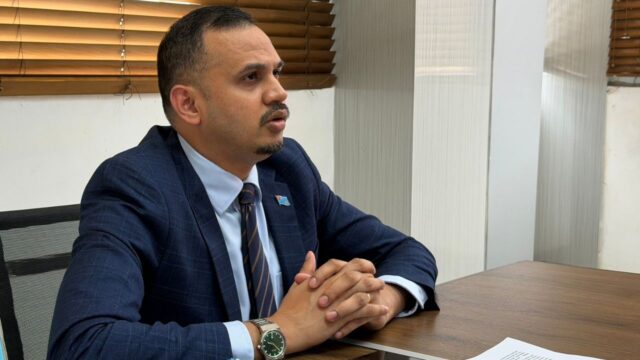
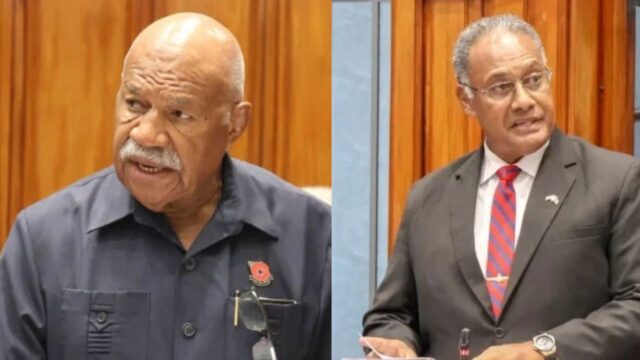
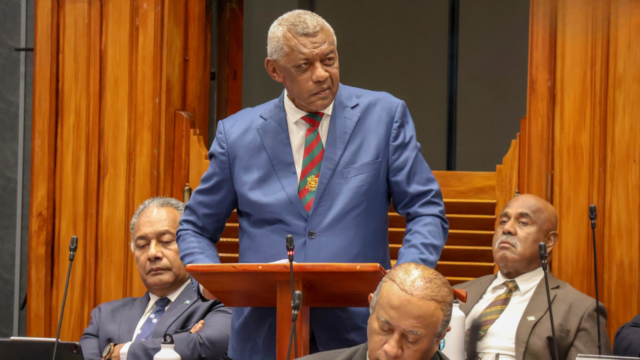
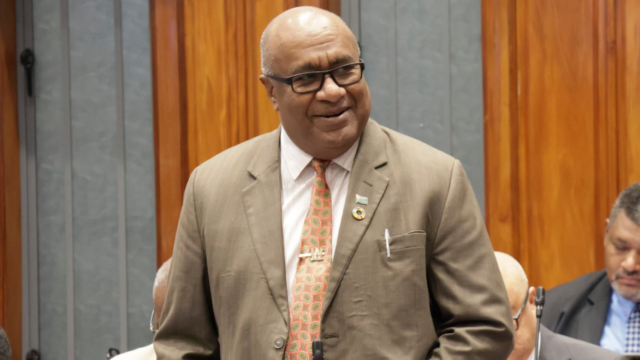
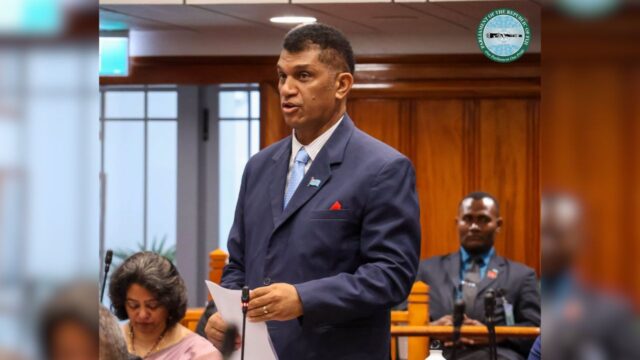
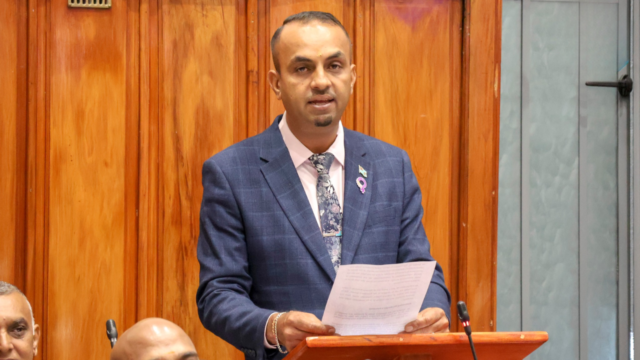
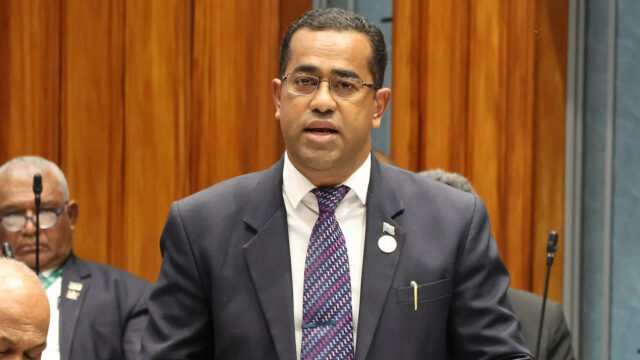
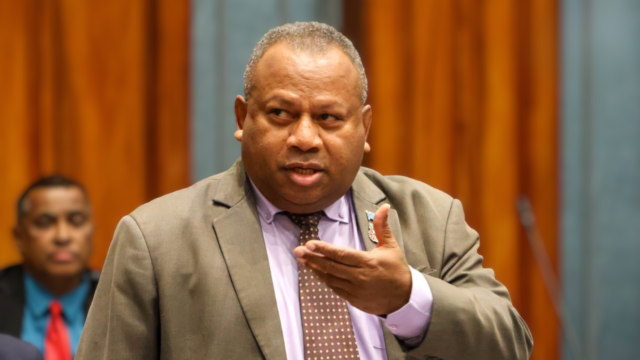
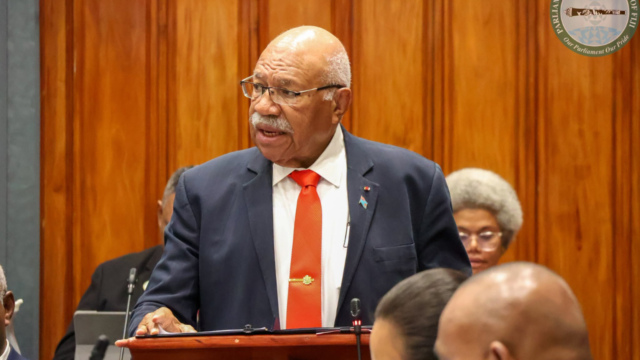
The commitment was highlighted during debate on the Fiji Police Bill 2026, with Opposition MP Faiyaz Koya welcoming an amendment requiring the responsible Minister to establish an independent forensic science entity within three years, or a longer period determined by the Minister.
Koya said the independence of forensic investigations was critical because any suggestion that evidence had been compromised could affect the outcome of a criminal case.
He argued that forensic functions should not remain within the Police Force, particularly when the same institution is responsible for investigating offences and collecting evidence that may determine whether someone is convicted or acquitted.
Koya said the proposed arrangement was important not only for actual independence but also for public confidence in the integrity of forensic investigations.
He noted that the amendment followed discussions with the parliamentary committee, addressing concerns that the original Bill did not provide for a completely separate forensic department.
The Fiji Police Bill currently provides for forensic science functions to operate under the Police Force, with transitional arrangements towards an independent agency.
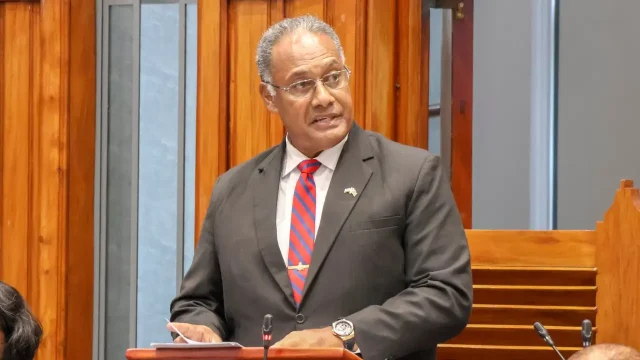
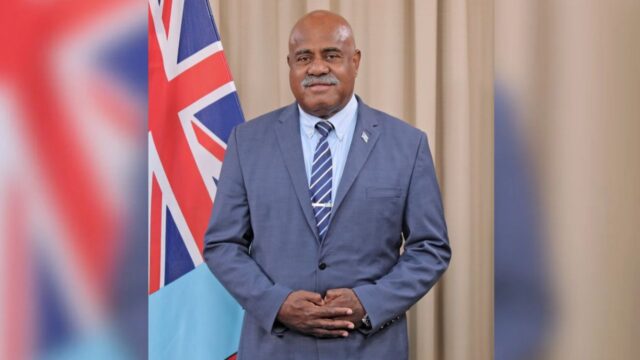
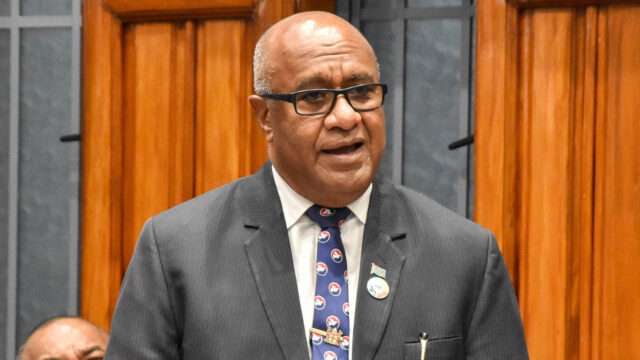
Minister for Policing Ioane Naivalurua also acknowledged the proposed transition, saying forensic science functions would eventually be moved out of the Police Force and placed under an independent national entity.
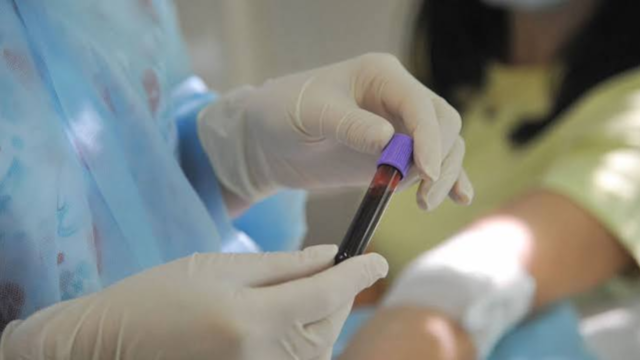
The legislation also establishes procedures governing the collection, examination, storage and management of forensic material, including biological samples.
These include requirements for informed consent, qualified personnel, laboratory standards and additional protections for children and vulnerable people.
The move comes as policing increasingly relies on scientific evidence to establish criminal responsibility.
However, the proposed three-year timeframe raises questions about the resources, institutional arrangements and technical capacity needed to establish an independent agency.