 Litia Cava
[Photo: FILE]
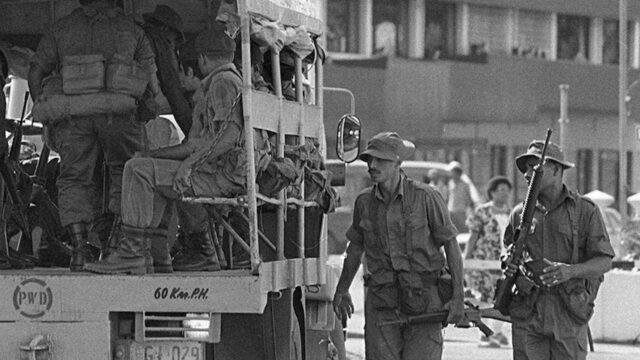
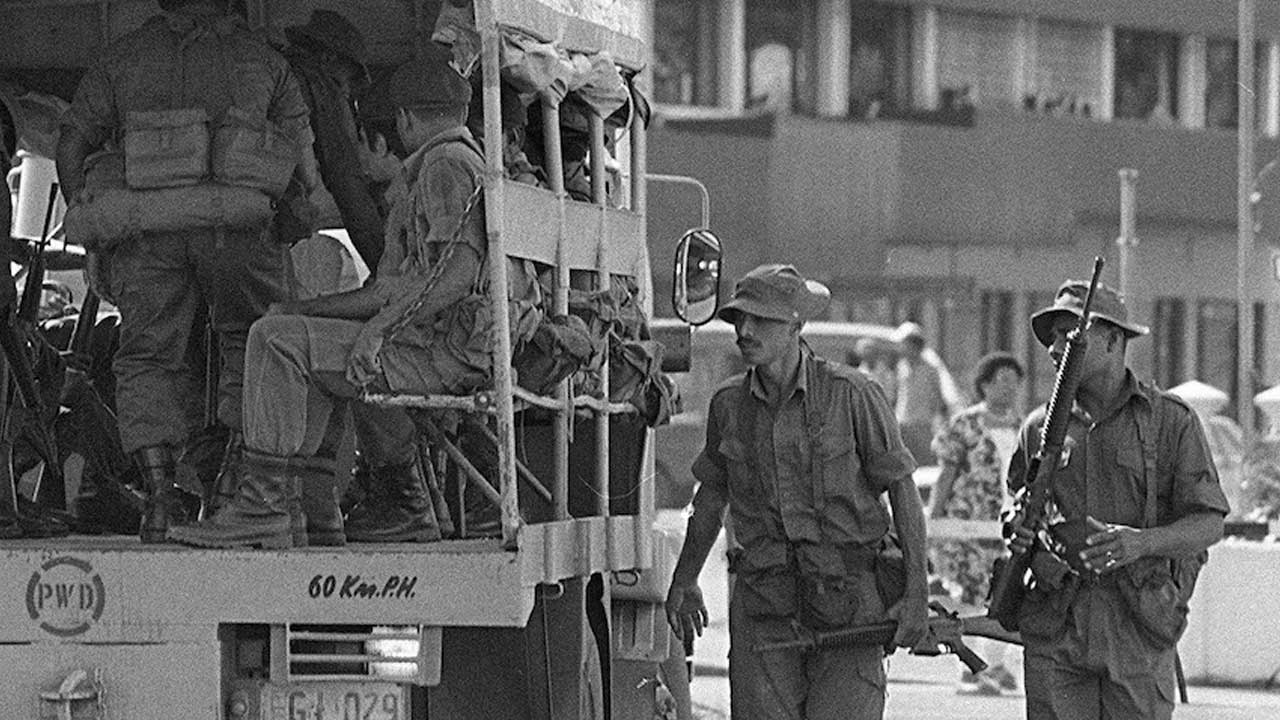
The 1987, 2000 and 2006 coups did more than disrupt Fiji’s political institutions.
They also weakened the health sector’s leadership structure, disrupted the delivery of essential community health services and contributed to the loss of decades of professional experience.
This is one of the key findings in the Fiji National University’s Health Sector Chapter of the Fiji Truth and Reconciliation Commission’s Final Report.
The research found that preventive and community-based healthcare suffered during the political upheavals. Community midwifery, zone nursing, outreach programmes and health promotion were among the services affected, limiting the sector’s ability to maintain essential healthcare at community level.
The report also identifies the loss of experienced health professionals and instability in senior appointments as lasting consequences of the coups.
According to the research, weakened institutional authority and insecure appointments disrupted leadership continuity and succession planning.
The departure of experienced professionals also meant the loss of institutional knowledge that could not simply be recovered by filling vacant positions.
The study was led by FNU Acting Pro Vice-Chancellor Research and Innovation, Associate Professor Dr Donald Wilson.
It drew on trauma-informed interviews with 11 senior health professionals who held leadership positions during the political upheavals.
Collectively, they brought more than 300 years of experience across nursing, medicine, allied health, laboratory services and public health administration.
Dr Wilson said the loss of experienced personnel created what the researchers described as a hollow middle in leadership.
While positions were eventually refilled, the expertise and institutional knowledge that had been lost were not necessarily restored, he said.
He said this affected mentorship, professional development and the health sector’s ability to sustain an experienced workforce over the long term.