 Nikhil Aiyush Kumar
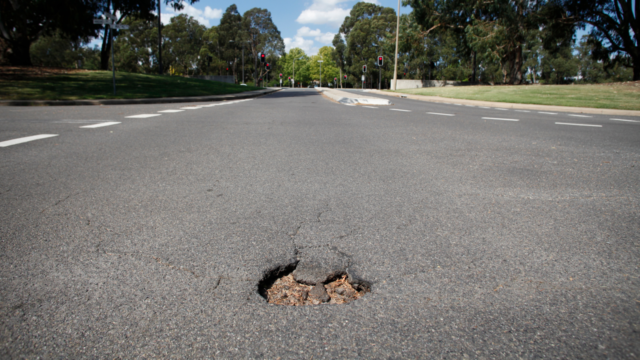
[Photo: FILE]
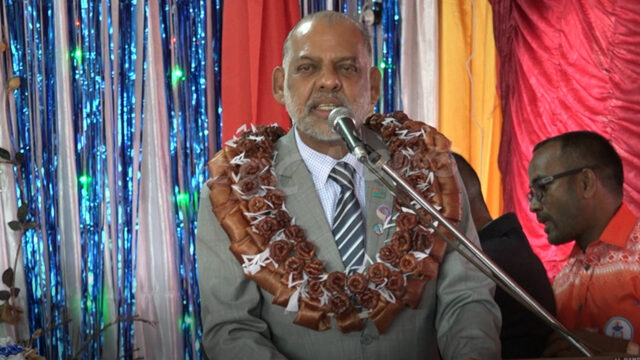
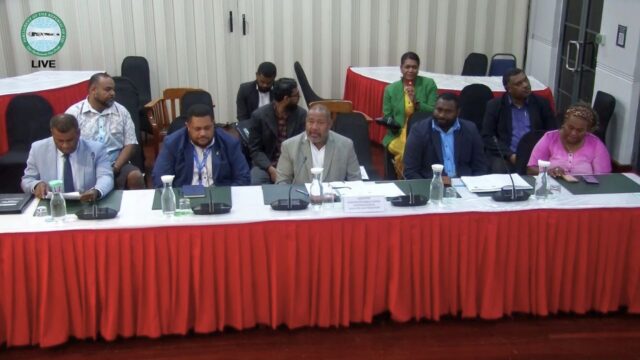
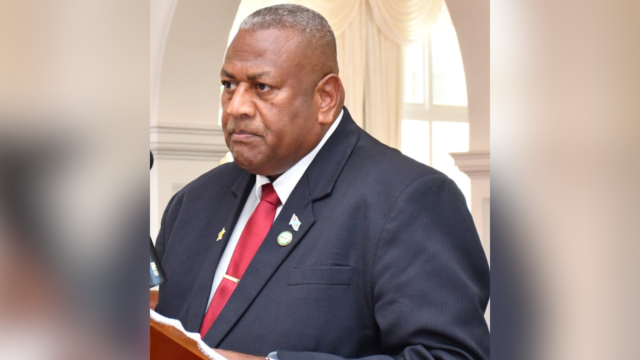
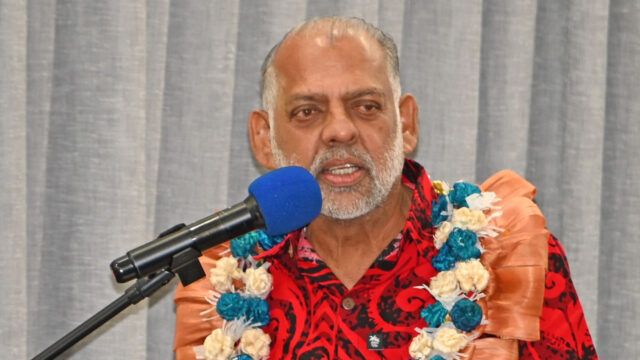
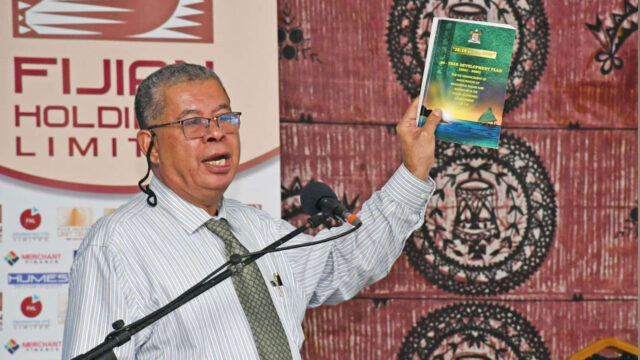
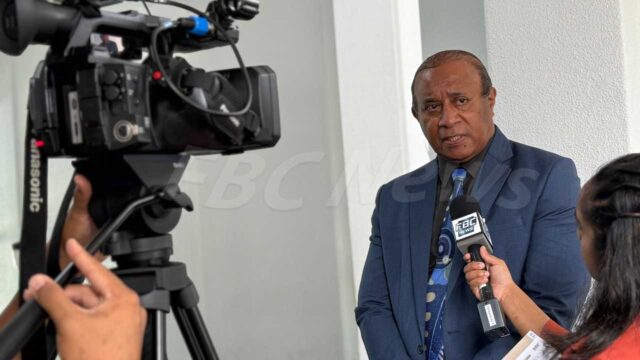
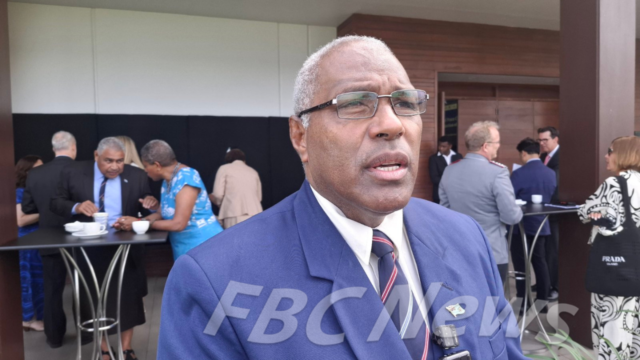
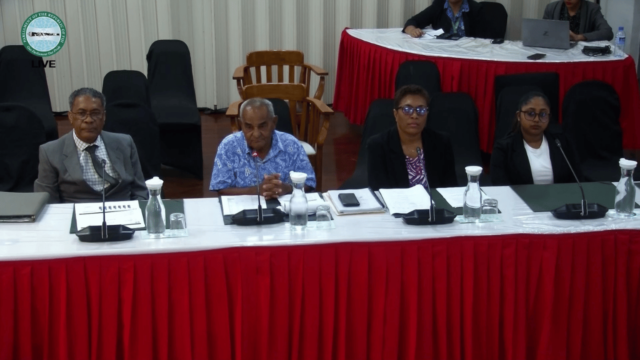
The government has admitted weaknesses in how road projects are monitored, with Public Works Minister Ro Filipe Tuisawau acknowledging the current system is “not perfect.”
Responding to questions in Parliament, he said the Fiji Roads Authority is tasked with overseeing contractors and ensuring defects are fixed, but conceded gaps remain in enforcement and follow-up.
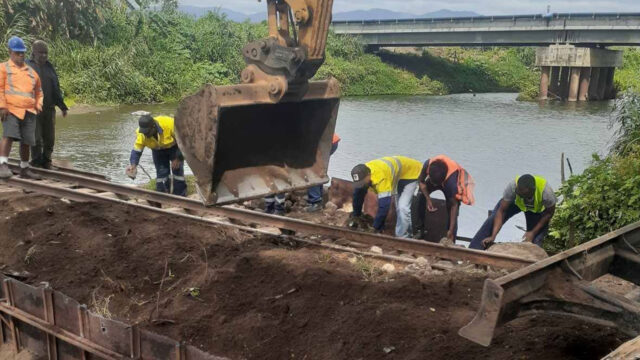
He confirmed most FRA projects carry a Defects Liability Period of one to two years, during which contractors are required to return and repair any faults identified after construction.
The Minister acknowledged that oversight is currently managed internally by the FRA and admitted that improvements are needed.
“From my knowledge, that is all managed from within FRA in terms of monitoring of the contract (0:18) and the deliverables. So if there are defects there, such as you mentioned, (0:25) we are responsible for monitoring and rectifying that.”
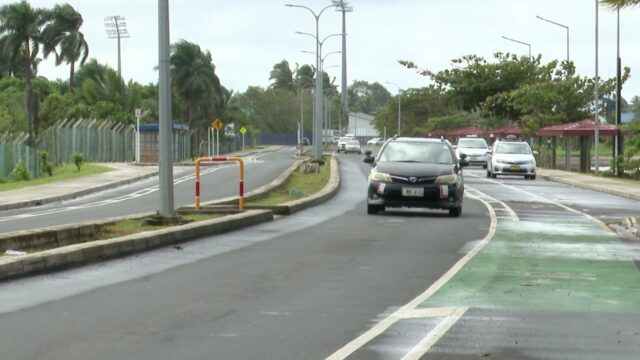
Opposition member, Virendra Lal, questioned why defects are appearing within months of project completion, raising concerns about value for money and long-term durability of public infrastructure.
“It’s been noticed that soon after the completion or just months after, there are defects. So what is the monitoring mechanism? How do we go about seeing that the standards are followed?”
Tuisawau noted that Fiji faces a shortage of technical expertise needed to effectively monitor complex infrastructure projects; they are working to reintroduce independent quality monitoring to strengthen oversight.
“The challenges are, as I mentioned, the capacities within. With the technical side, there’s a high turnover. People are just moving in, moving out.”
Tuisawau said strengthening monitoring capacity and improving internal systems within the FRA will remain a priority moving forward.