 Litia Cava

[Photo: FILE]
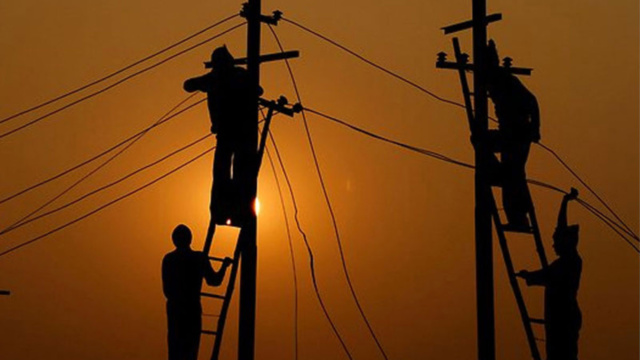
The delivery of rural electrification projects is facing major delays, with some communities still without electricity despite funding being provided.
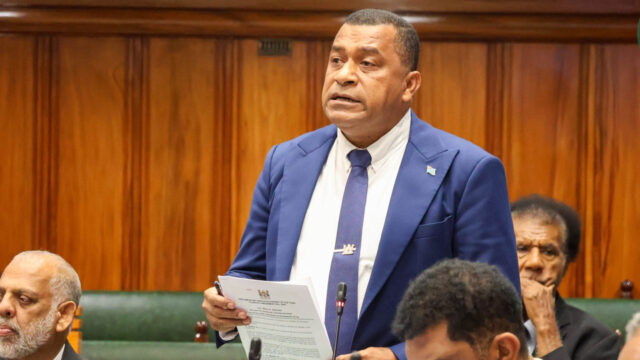
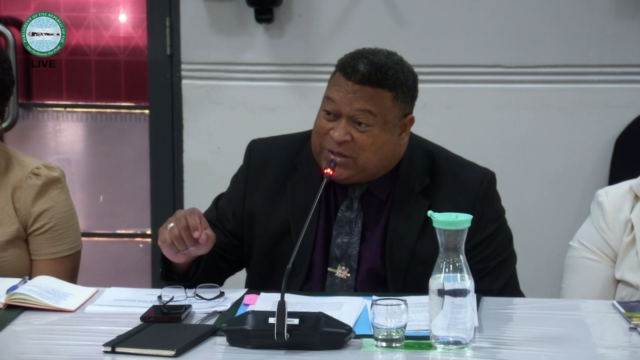
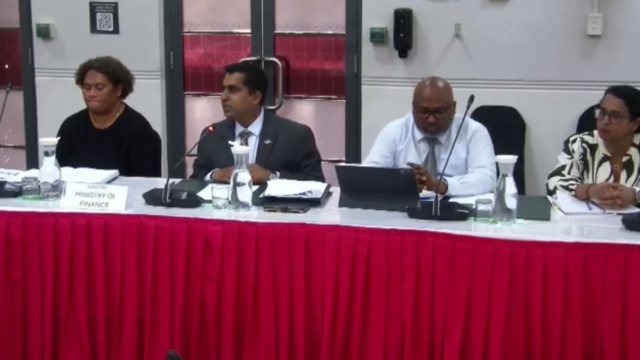
The Standing Committee on Economic Affairs stated that its visits to rural communities exposed incomplete projects, poor coordination and weak monitoring on the ground.
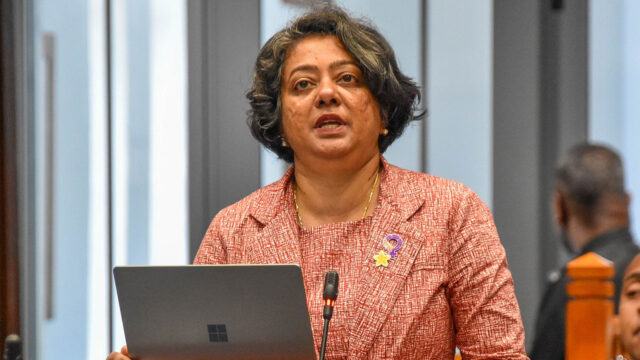
Committee Member Premila Kumar pointed out that in some cases, EFL and the Department of Energy were not communicating effectively, leaving communities without clear information about their projects.
Kumar said the committee found one example in Naua where $269,752 was paid in May 2022 to Tanoa Electrical for a rural electrification project. The contractor was later terminated.
EFL then carried out wiring for 44 houses, with that work completed in 2024, but Kumar said the wider project was still incomplete to date,
She said similar cases were found in other communities where, according to the Department of Energy, funding had already been paid to EFL, but the work had not been completed.
The committee also found a case in the Western Division where one contractor had been given three projects. Kumar said the contractor would move between villages, promise to return and then leave for another site.
She said none of the projects had been completed when the committee visited. The concerns extend beyond contractors.
Kumar said some EFL project officers had not visited the villages they were responsible for.
In one case, a village raised concerns directly with the committee, while the EFL officer present said he was hearing the issue for the first time.
Kumar says some communities also reported contractors asking villagers to provide accommodation and carry out work such as clearing areas, removing stones and compacting sites.
She says EFL officers clarified that contractors were already being paid for the work and villagers should not be expected to carry it out for free.
Committee Chair Sakiusa Tubuna said contractors had also raised concerns about delays in payments from EFL.
He said contractors told the committee that delayed invoice payments were affecting their ability to carry out work and contributing to project delays.
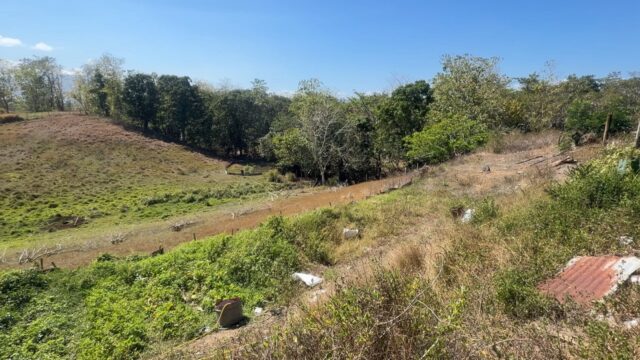
The committee also questioned how projects are awarded in areas with little or no road access.
EFL General Manager Network Jitendra Kumar states contractors are required to visit project sites before submitting their bids.
This allows them to assess road conditions and determine whether four-wheel-drive vehicles, manual labour or other methods will be needed.
Kumar said where there was no vehicle access, EFL uses different construction methods.
He cites river delta areas where lighter wooden poles are used because they can be transported and installed manually without heavy machinery.
For roads that exist but need improvement, the Department of Energy works with the Fiji Roads Authority to improve access for heavy equipment.
EFL Chief Executive Officer Gibson states the concerns raised by the committee have highlighted the need to review how rural electrification is managed.
He said EFL may need to dedicate staff specifically to oversee the program and contractor payments.
Gibson adds that EFL checks the work on the ground before approving invoices and once a contractor reaches the required milestone and the work is defect-free, EFL pays within the stipulated 30-day period.
Gibson said EFL would now need to strengthen its coordination with the Department of Energy, Fiji Roads Authority, provincial councils and other stakeholders.
He adds that changes to project routes, land access and other approvals can also create additional delays.
The committee states its findings will form part of an inquiry report on rural electrification.