 Bose Vavataga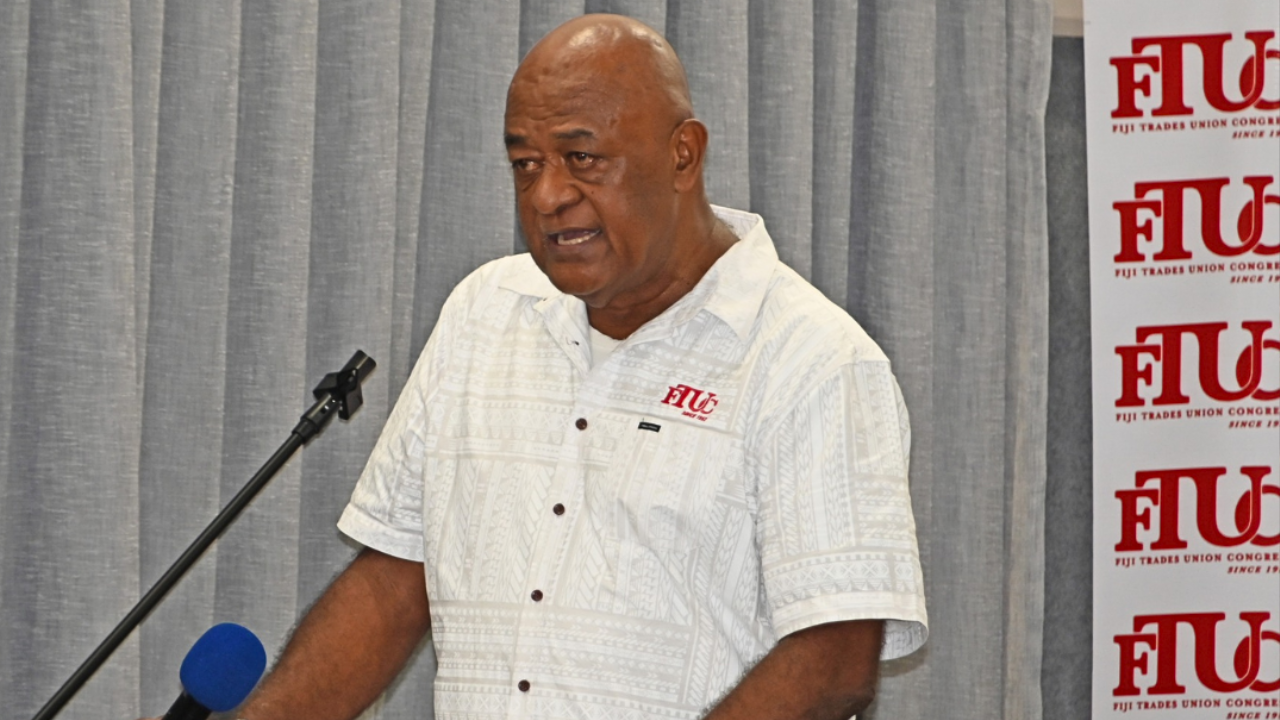
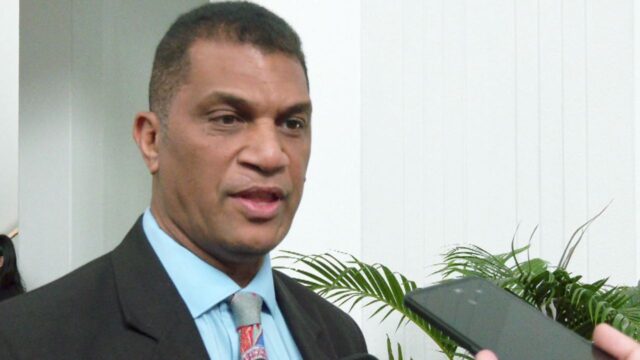
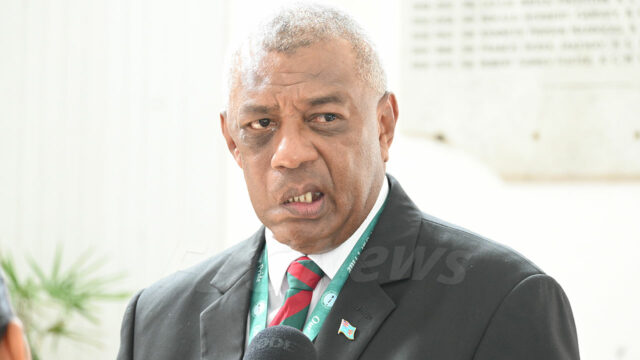
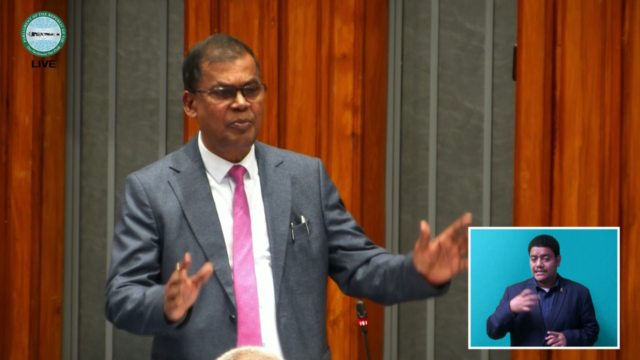
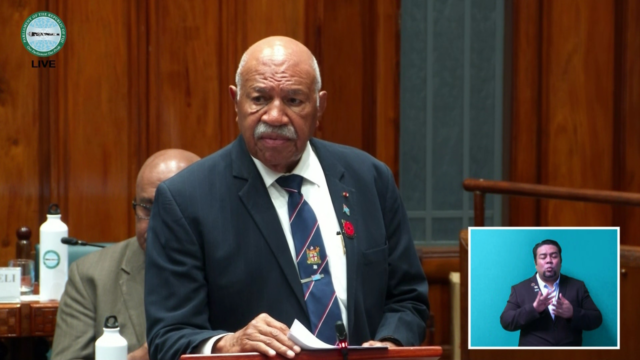
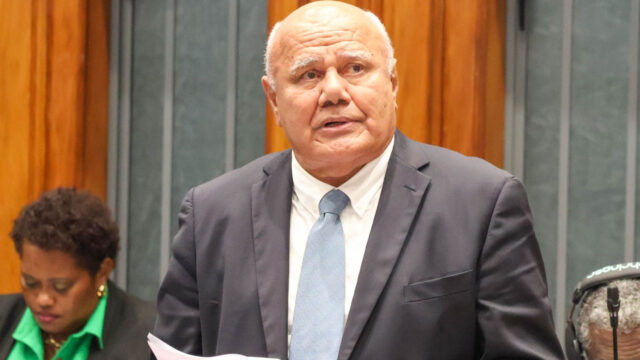
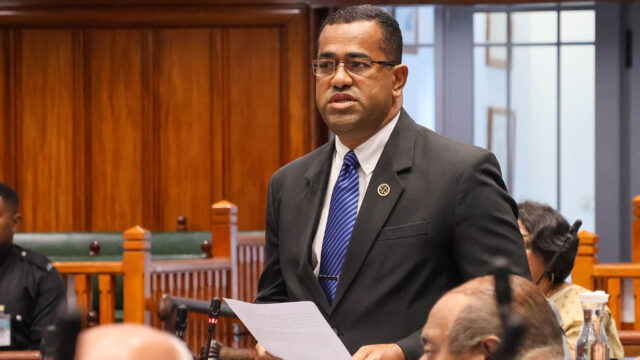
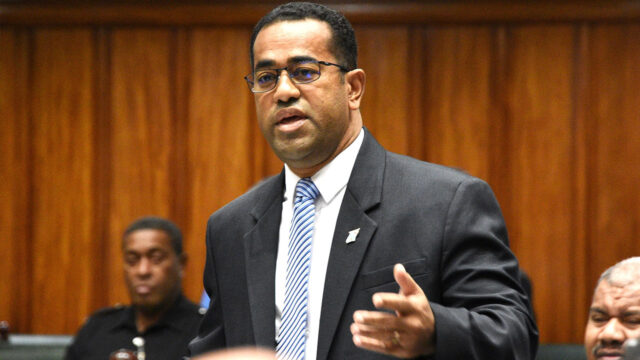
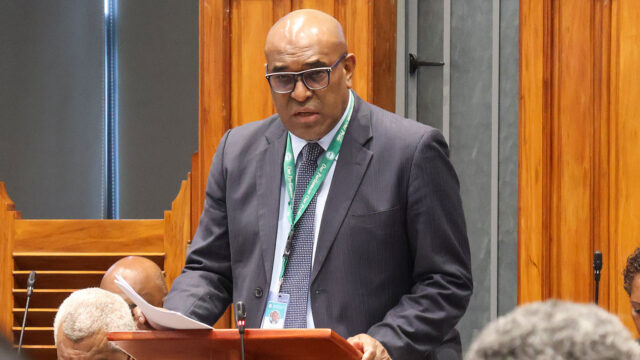
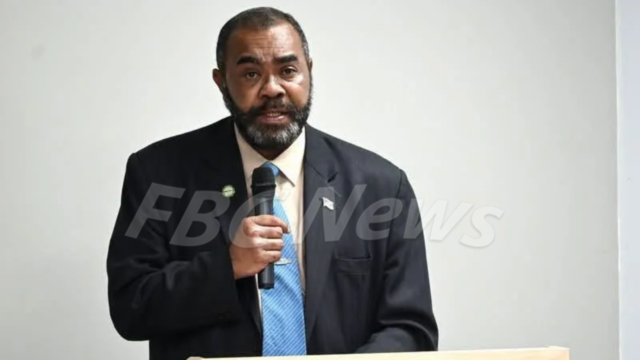
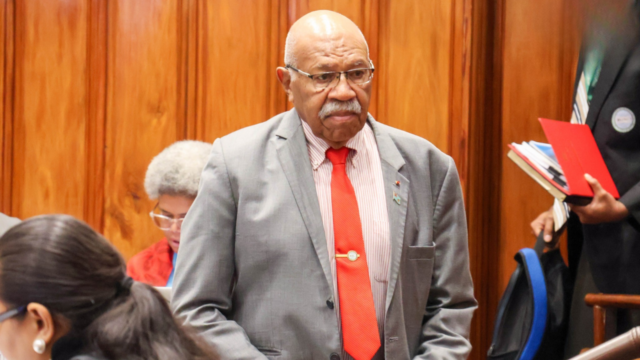
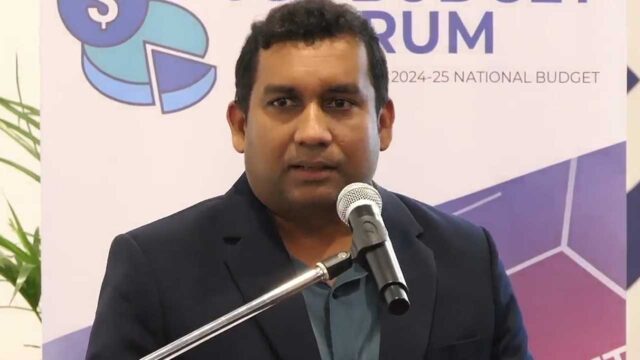
FTUC National President Daniel Urai. [Photo: FIJI GOVERNMENT/ FACEBOOK]
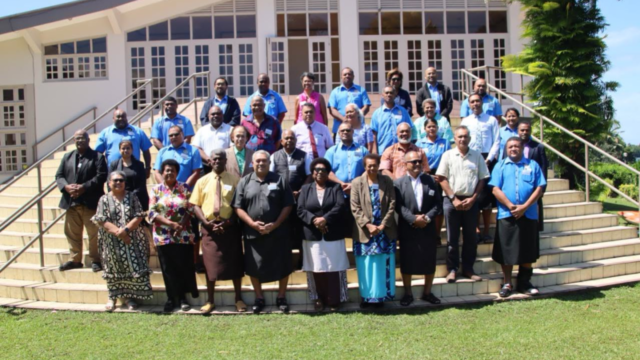
Workers’ rights reform and the long-delayed Employment Relations Amendment Bill dominated the Fiji Trades Union Congress’s 51st delegate conference. The union movement is calling for urgent passage of the law and the introduction of a living wage.
FTUC National President Daniel Urai told delegates the Prime Minister’s presence signalled the bill would soon reach Parliament. He said workers have waited long enough. He stressed they now expect action, not delay, on employment law reform.
“We must not forget that workers’ contribution to the profits that businesses earn or make, and the growth of our economy, is made possible by workers. Workers are the creators of wealth. Indeed, both as workers and as consumers.”
Urai says workers’ rights are human rights. He welcomed what he described as a renewed government commitment. He also noted that unions can now speak more freely without fear of intimidation.
He also pointed out that the national minimum wage, now at $5 an hour, has provided some relief. However, he said it is still not enough. He said the movement continues to push for $6 an hour.
He called for a living wage system. He said it must reflect the real cost of living. This includes housing, food, healthcare and education. He said a living wage is not charity. It is justice.
FTUC also confirmed a new push for a national living wage framework. He said the union movement will formally launch its first call for it during the conference.
Concerns were also raised about the Fiji National Provident Fund. He called for a return to a tripartite structure. This would include workers, employers and government on the board.
He warned that recent changes, including reduced contributions, may slow workers’ savings growth. He said employers may benefit more than workers under the current setup.
He also raised concerns over the removal of overtime payments in parts of the public sector. He said workers should be paid for time worked, not given time off instead.
Climate change was also highlighted. He called for stronger worker involvement in national climate talks. He said workers need protection during floods and extreme weather. He added that income security must be part of disaster planning.