 Kelera Ditaiki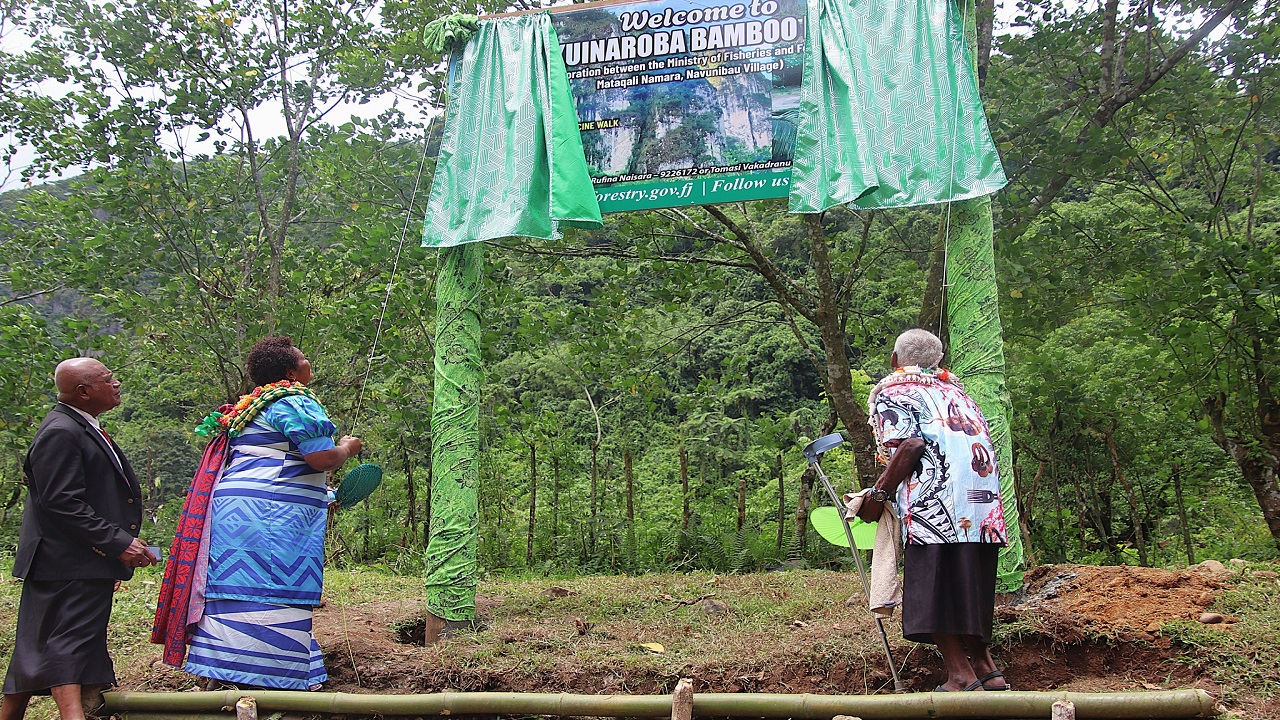
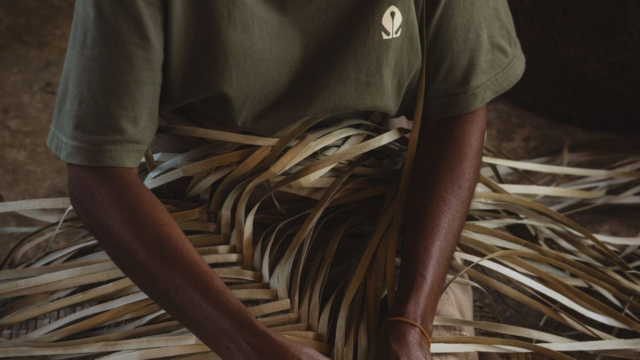
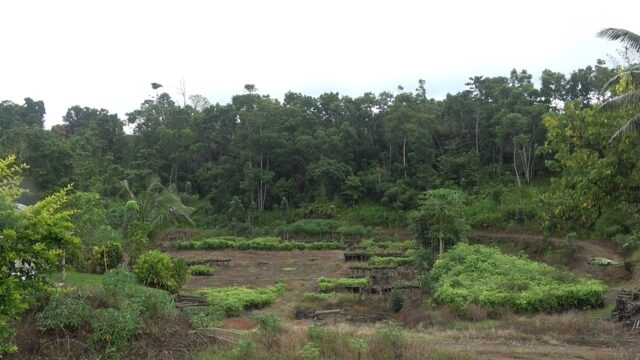
Bamboo planting in the highlands of Namosi is proving to be more than an economic venture, it is fast becoming a natural defense against climate-related threats.
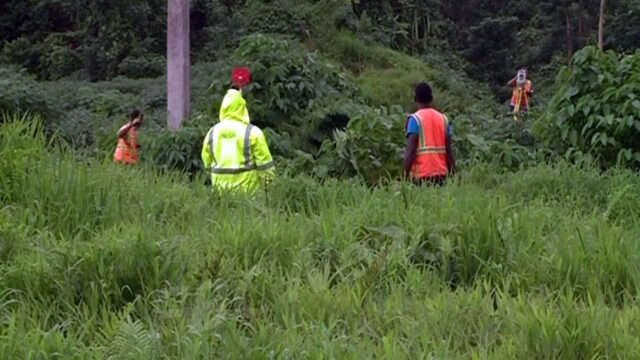
Communities involved in the bamboo park project say the plant plays a critical role in stabilizing soil, particularly on steep terrain where heavy rainfall often leads to erosion and landslides.
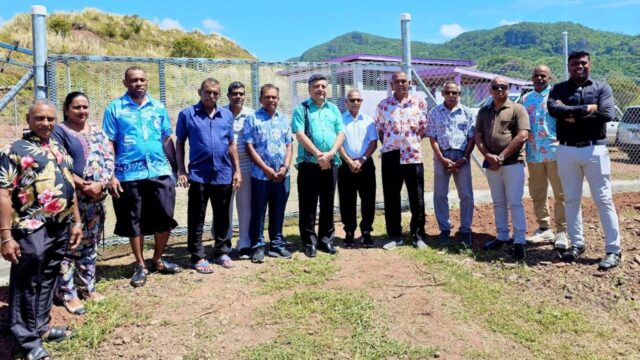
Namosi representative Tomasi Vakadranu says bamboo acts as a natural protective barrier for rural communities.
Vakadranu says the strong root system of bamboo helps hold the soil together, reducing the risk of erosion, landslides and damage to farms, homes and access roads.
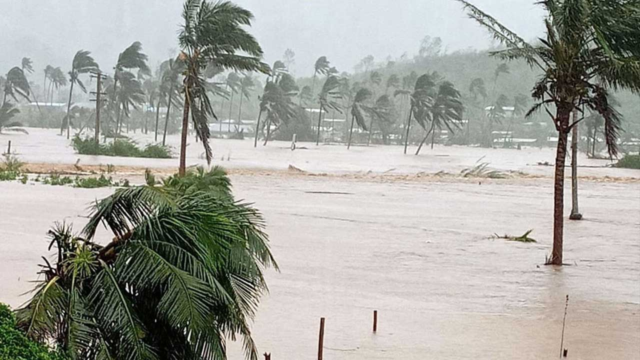
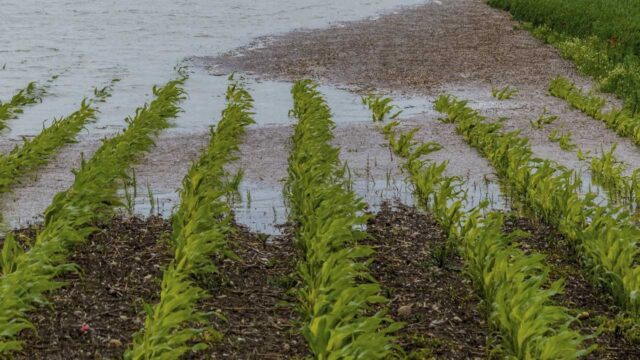
With Fiji experiencing more intense rainfall and flooding, interest in bamboo as an affordable climate resilience measure is growing.
“We live in the highlands where heavy rainfall is common. Bamboo is a large, resilient plant, and its strong root system helps hold the soil together. Planting more of it not only protects our land from erosion and possible landslides, but also supports our efforts to adapt to changing weather conditions.”
Community leaders say the bamboo park is shifting mindsets, demonstrating how natural resources can support both economic development and environmental protection.
Plans are now in place to expand the initiative over the next five years, positioning bamboo as a key tool in strengthening climate adaptation and national resilience.