 Josefa Sigavolavola
Decades after nuclear tests in the Pacific, survivors and their families are still bearing the consequences.
This, according to the United Nations who also states that justice and reparations remain outstanding.
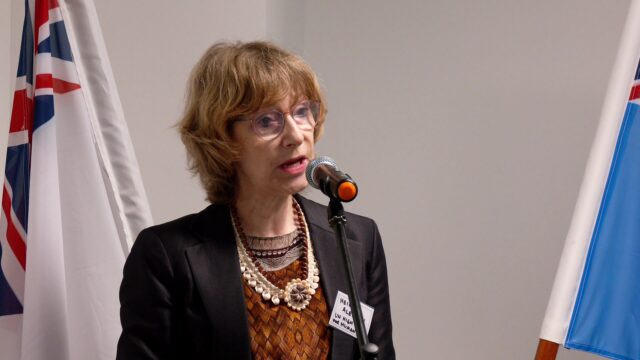
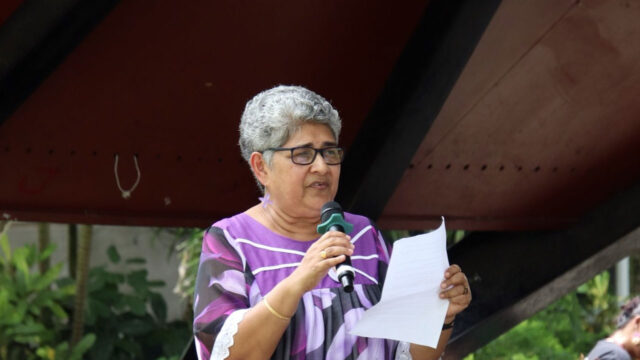
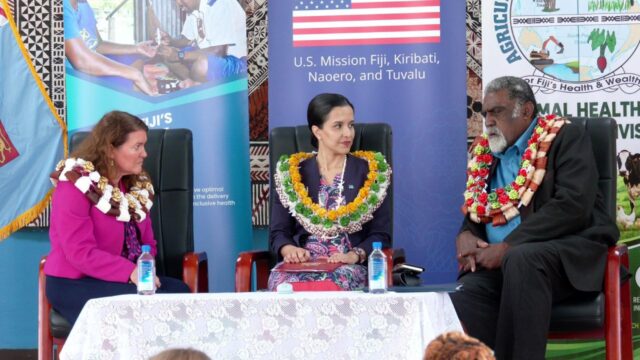
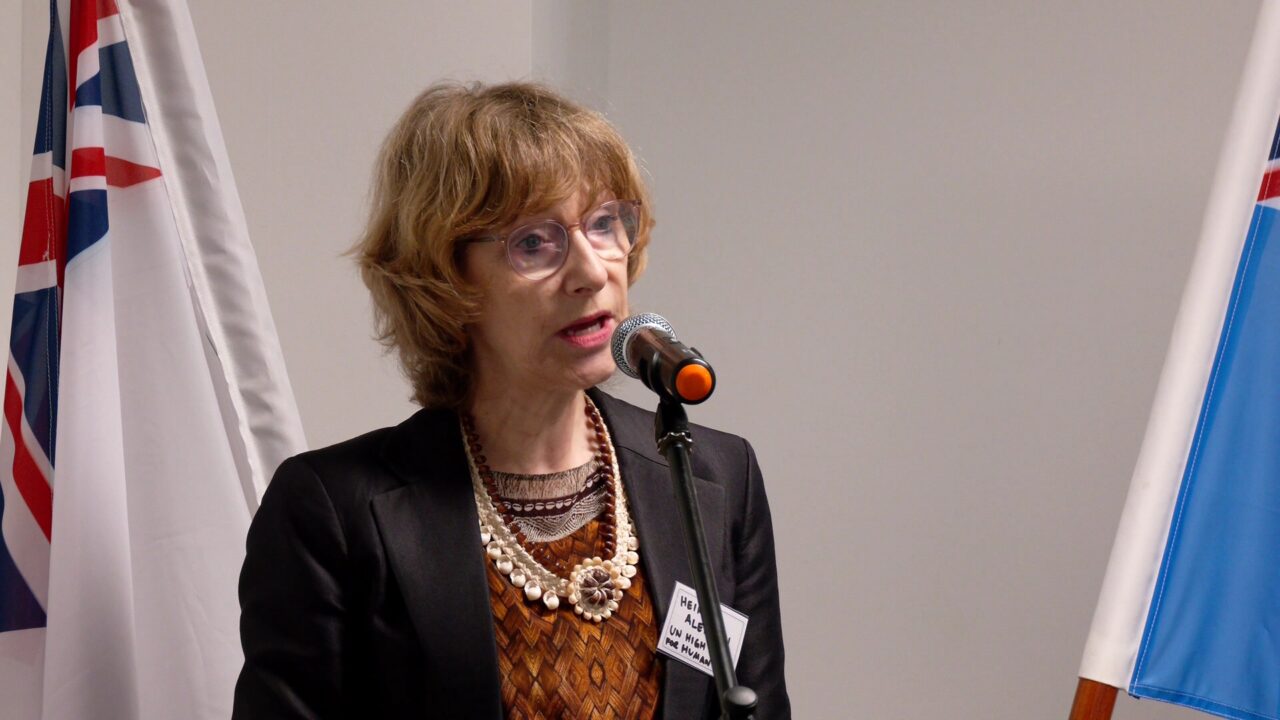
UN Human Rights Pacific Regional Representative Heike Alefsen states nuclear testing damaged more than people’s health. It also affected communities’ rights to land, culture, education, housing, food, water and self-determination.
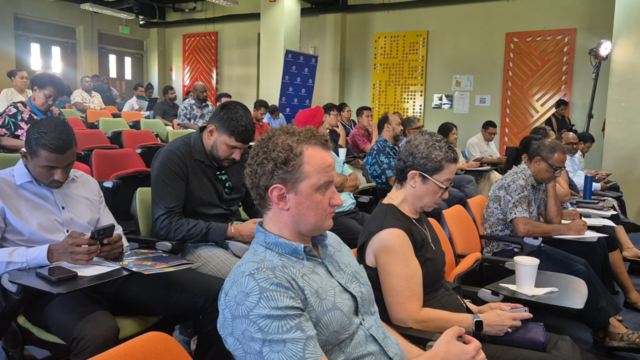
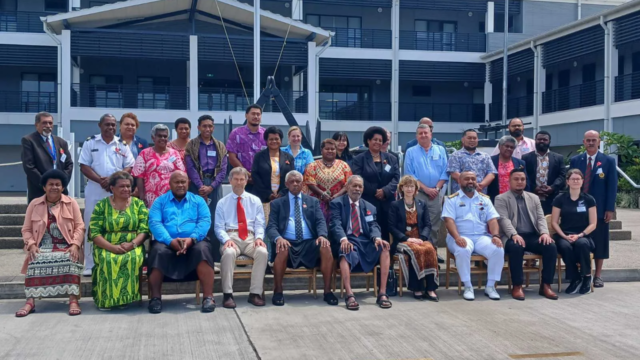
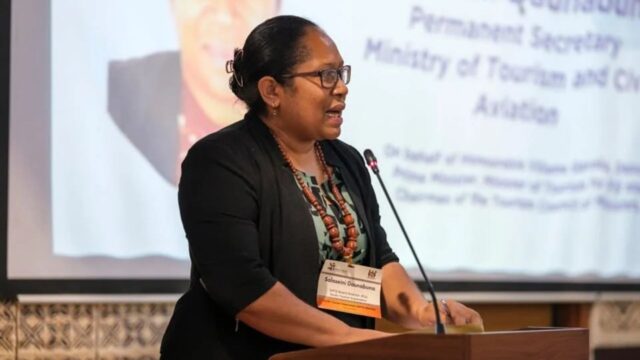
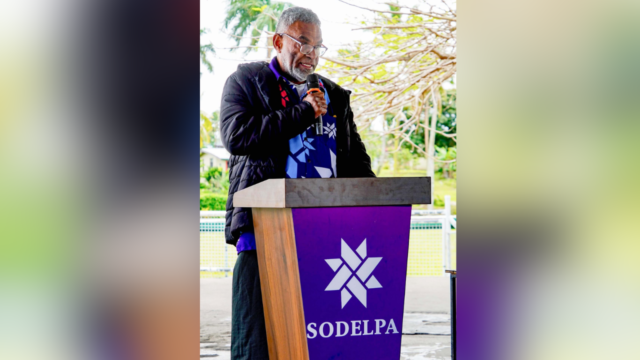
Speaking at the Pacific Regional Dialogue on the Prohibition of nuclear weapons, Alefsen says the effects of nuclear testing and militarization have extended across generations, disrupting the deep connections between Pacific people, their land and the ocean.
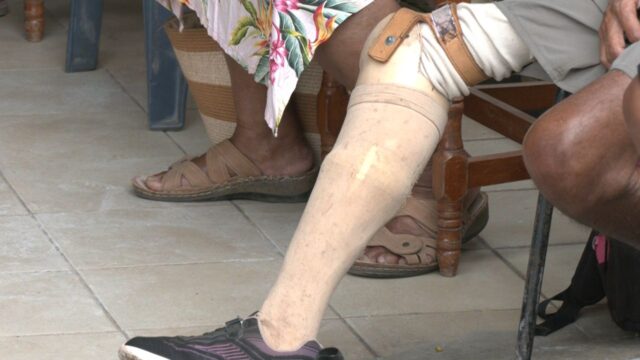
She says the passage of time has not ended the harm, with some people still carrying the consequences in their bodies and families continuing to face the impact.
Alefsen says addressing this legacy requires more than nuclear disarmament. The region must pursue justice for survivors, protect affected communities and prevent similar harm from happening again.
She said the UN Human Rights Pacific office was advocating for a transitional justice approach based on four principles: the right to truth, justice, reparations and guarantees of non-recurrence.
Alefsen stresses that nuclear survivors and their associations must have a central role in decisions affecting them.
She adds that the regional dialogue must lead to practical action that delivers tangible benefits for survivors, their families and affected communities across the Pacific.