 Praneeta Prakash

[File Photo]
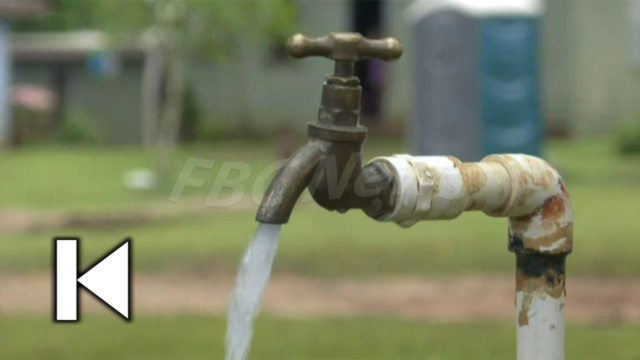
Overnight water rationing began yesterday for households and businesses in parts of the Tamavua water supply system as prolonged dry weather reduces water production.
The Water Authority of Fiji says controlled valve operations will restrict supply from 9pm to 4am daily until further notice.
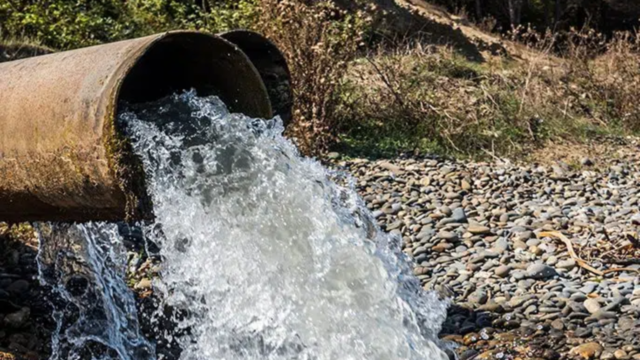
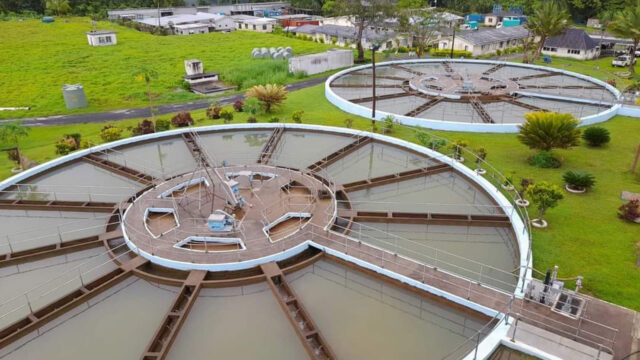
WAF says low rainfall associated with El Niño conditions has reduced flows from the Savura Cascade and Headworks 3 catchments, resulting in an approximately 15 percent reduction in raw water inflow and production at the Tamavua Water Treatment Plant.
The shortfall is placing pressure on reservoir storage and affecting the system’s ability to maintain consistent supply, particularly in elevated areas.
Affected locations include elevated parts of Valelevu and Cunningham Stage 4, Caubati Koro, Upper Cakacaka Road, Upper Bay View Heights, Upper Mead Road and several streets around Rewa Street and Tip Top.
Parts of Samabula North, Aiwa Street, Upper Lakeba Street and Princes Road between Loa Street and Reservoir Road, including feeder roads, are also affected.
In Naboro, the restrictions cover Naboro Prison, Naboro Complex, the Gilbertese Settlement and Naboro Dairy Farm.
Customers may experience low pressure, intermittent supply or no water during the overnight restrictions.
WAF says the valve operations will allow the Tamavua Reservoir to recover overnight and build storage to support higher daytime demand.
Supply restoration will begin progressively from 4am, although customers in elevated areas may face longer delays depending on reservoir levels and their location.
The authority is urging customers to prioritise water for drinking, cooking, personal hygiene and sanitation, while reducing non-essential activities such as lawn watering, vehicle washing and swimming pool filling.
Households and businesses are also encouraged to repair leaks and keep a reasonable backup supply in clean, covered containers.
WAF says water carting trucks will remain on standby, subject to operational requirements and availability, while teams continue monitoring catchment flows, treatment plant performance and reservoir storage.