 Litia Cava

[File Photo]
A proposed five-year jail term for refusing to provide access to digital information under a court order has sparked concerns over privacy and the right against self-incrimination.
The provision in the new Police Bill raises questions about how far police powers should extend when accessing personal digital data.
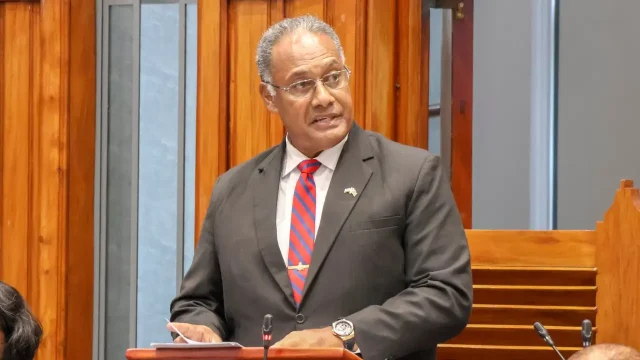
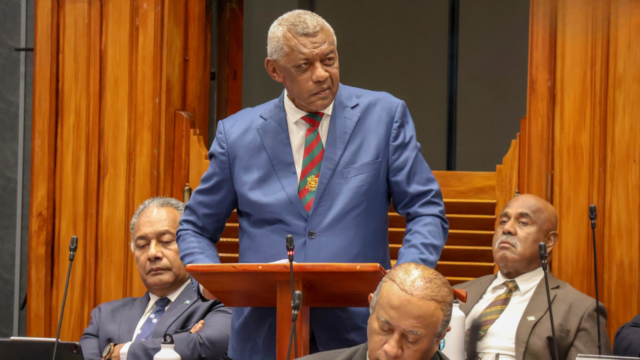
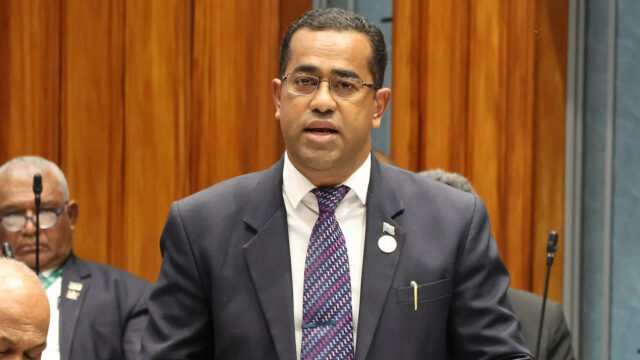
Opposition MP Virendra Lal has questioned the proportionality of the penalty, warning that the provision could expose individuals to lengthy imprisonment for refusing to disclose information held on their electronic devices.
Speaking during the parliamentary debate on the Fiji Police Bill 2026, Lal singled out clause 91, which provides for a prison term of up to five years for a person who refuses to comply with a digital access demand.
He raised particular concern over clause 91(2), which expressly states that avoiding self-incrimination is not a reasonable excuse for refusing to comply.
Lal argued that the provision raises fundamental questions about the balance between police investigative powers and constitutional protections afforded to individuals.
He also questioned provisions allowing oral applications for covert surveillance warrants and tracking device warrants where written applications are not reasonably practicable.
Under clauses 57 and 63, these applications may be made orally in specified circumstances, although judicial approval is still required.
Lal warned that allowing oral applications for intrusive surveillance and entry into private premises could weaken the transparency and documentation expected when the State exercises such powers.
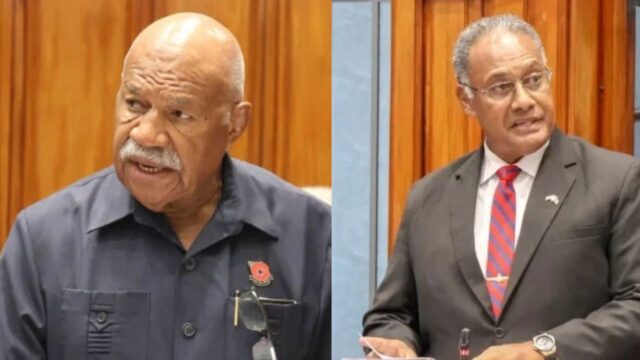
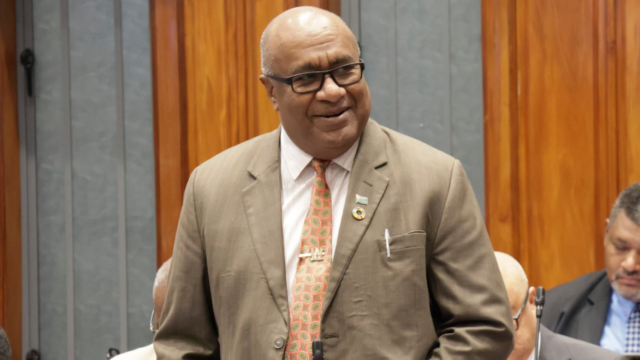
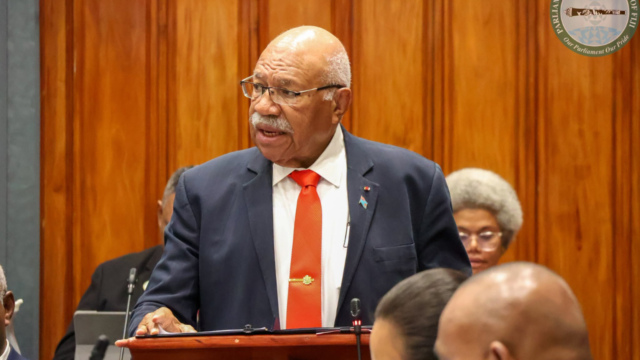
Opposition Leader Inia Seruiratu also cautioned that urgent searches conducted without prior judicial authorisation must remain exceptional, properly documented and subject to meaningful court scrutiny.
Seruiratu said national security concerns and changing criminal activities justified modernising police legislation, but warned that the rights and interests of citizens must remain central to its implementation.
He drew comparisons with the security measures introduced internationally after the September 11, 2001 attacks, arguing that the expansion of security powers must not come at the expense of individual privacy.
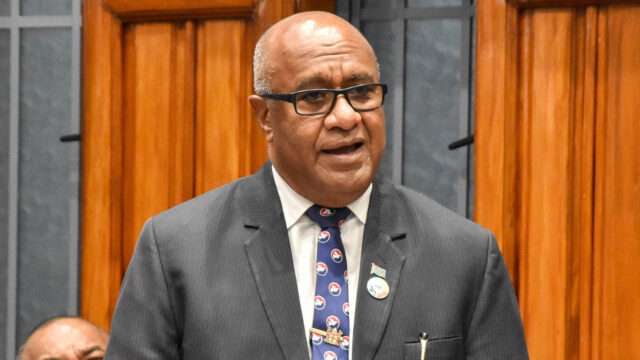
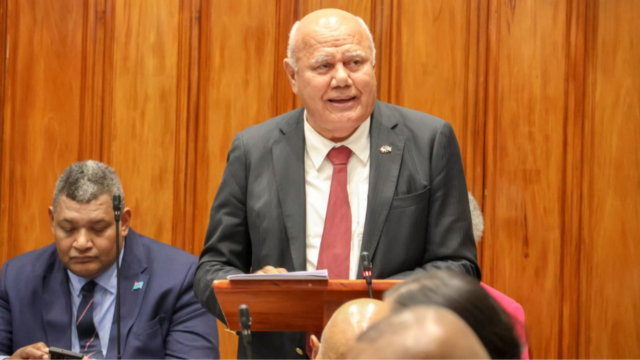
Meanwhile, Opposition MP Jone Usamate highlighted concerns raised during public consultations about digital extraction technology capable of retrieving information from mobile phones, including deleted material.
Usamate said the committee had heard concerns about technology that could potentially expose virtually everything stored on a person’s device.
The debate comes as the Bill introduces new legal powers for police to obtain digital information as part of criminal investigations.
Government MP Siromi Turaga defended the legislation’s safeguards, explaining that the provisions governing searches, surveillance and digital access had been framed around constitutional requirements and judicial oversight.