 Litia Cava

[File Photo]
Concerns over compensation are mounting as the new police law would allow officers to dig up land, remove floorboards and dismantle property during criminal investigations.
Questions remain over who would pay for the damage when innocent property owners are affected.
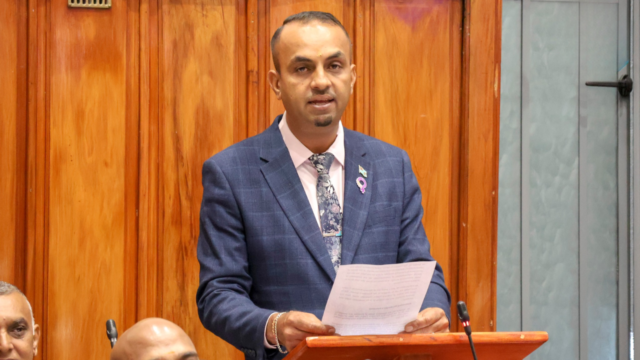
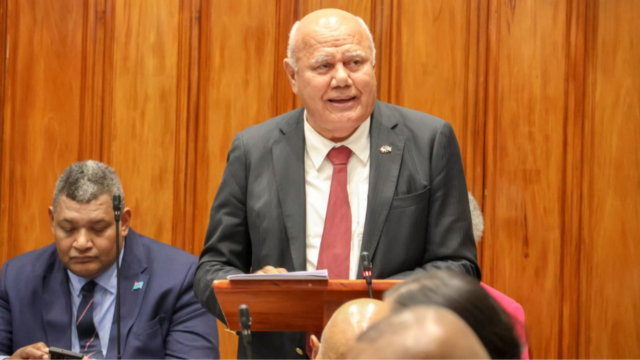
Opposition MP Virendra Lal has challenged the absence of an express compensation mechanism in the Police Bill 2026, warning that homeowners and businesses could be left carrying the financial burden of damage caused during police operations.
Lal pointed to clauses 83 and 84, which provide for police to undertake intrusive searches at crime scenes under judicial orders.
He questioned why the legislation allows such extensive interference with private property without clearly establishing how innocent owners will be compensated for damage.
Lal also highlighted clause 86, which requires the Commissioner of Police to arrange alternative accommodation upon request in certain circumstances.
However, he argued that providing alternative accommodation does not resolve the financial consequences of damaged homes or business premises.
He questioned who would pay for repairs when police operations involve removing floorboards, digging up land or dismantling parts of a building.
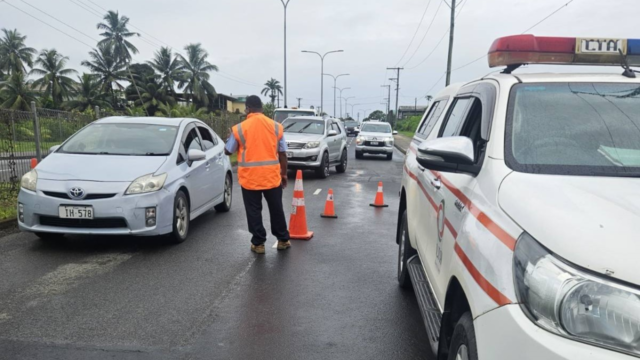
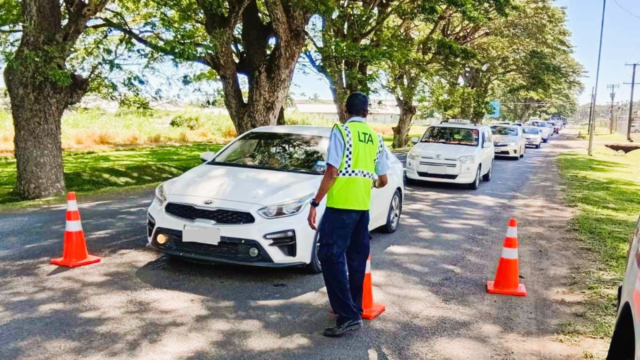
His concerns extended to clause 120, which gives police powers to erect barriers across public roads.
Lal pointed to clause 120(5), which expressly protects police officers and the Force from liability for loss, damage or injury arising from the exercise of those powers.
He also raised concerns about clause 161, which provides protection from civil and criminal proceedings for officers acting in good faith under a lawful warrant or order.
Lal argued that the Bill gives police extensive operational protections without providing equivalent safeguards for innocent members of the public affected by their actions.
The concerns come as the legislation seeks to establish clearer procedures for managing crime scenes, searches and police investigations.
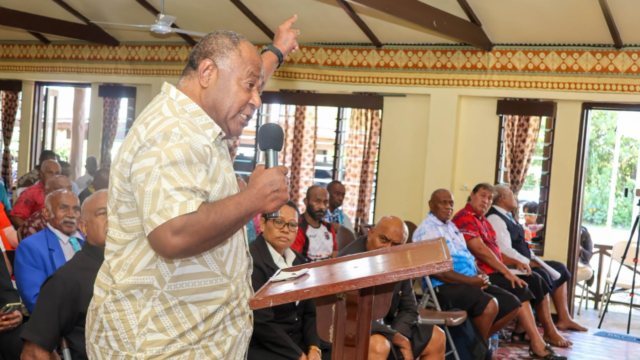
However, Government MP Siromi Turaga defended the need for the new framework, pointing to previous cases where inadequate procedures had resulted in costly consequences.
Turaga recalled a 2003 shooting investigation at Wailada in Lami, where police cordoned off an area containing business premises but failed to properly manage the return of access to the affected offices.
He said the office keys were not returned for a year, resulting in a $163,000 payment to the investor.
Turaga argued that the new provisions would establish clearer procedures for managing crime scenes and prevent similar incidents.