 Praneeta Prakash
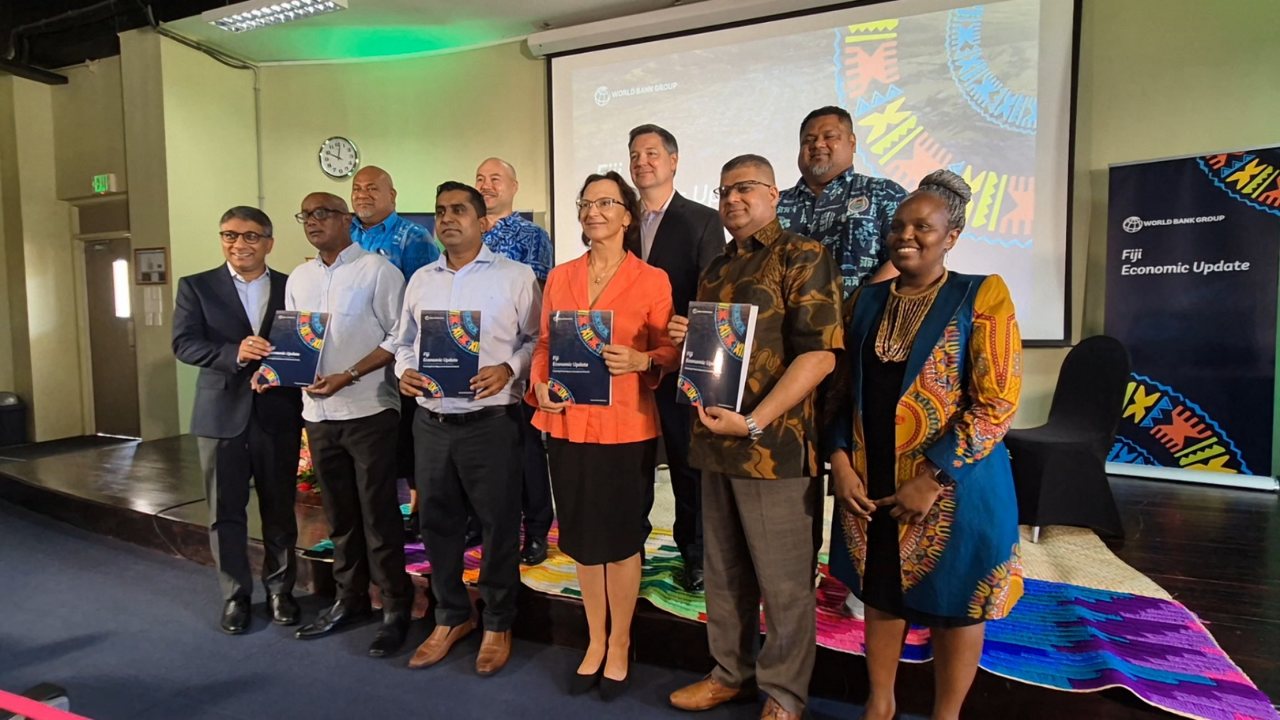
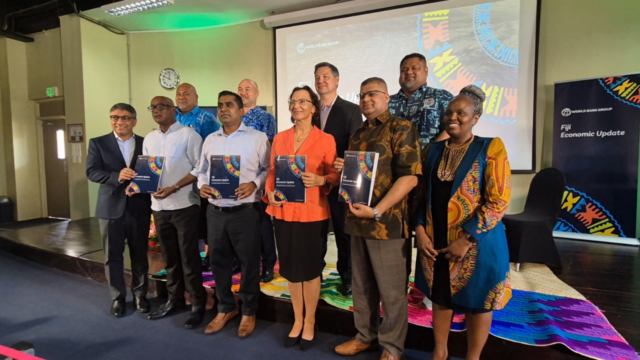
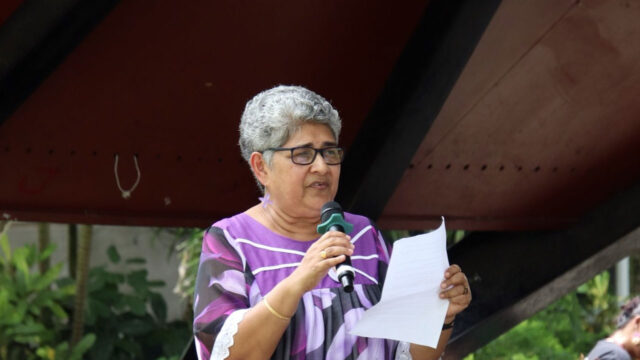
[Photo: World Bank reps with other stakeholders]
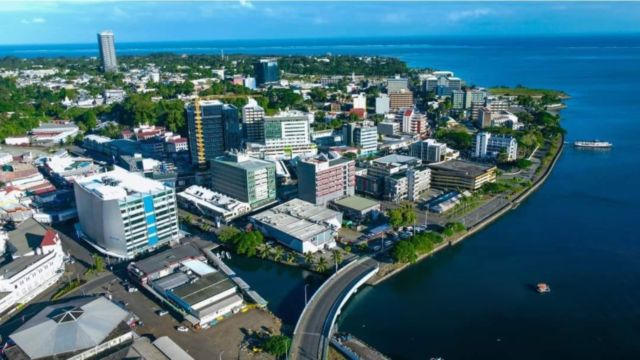
Fiji’s ability to withstand future economic shocks is under pressure as public debt is projected to rise and growth slows.
Higher fuel and shipping costs are adding to the strain on households, while the Government faces shrinking fiscal room to respond to further disruptions.
The World Bank Group warns that the government must rebuild its fiscal reserves while protecting investment needed to sustain growth and create jobs.
The warning is outlined in the World Bank Group’s first Fiji Economic Update, released in Suva today.
The report projects economic growth will slow to 2.1 per cent in 2026 before recovering to 3.0 per cent by 2028, while public debt is expected to rise after falling from about 95 per cent of GDP in 2021 to 76.9 per cent last year.
The report, ‘Creating Fiscal Space to Accelerate Growth ’, states that recent policy measures and a new external shock have begun to reverse Fiji’s earlier fiscal gains.
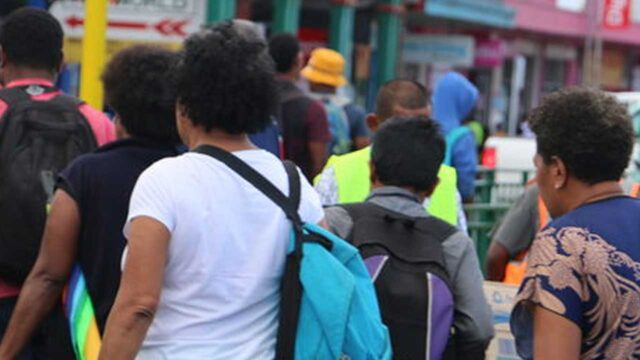
Higher fuel and shipping costs are also squeezing household budgets, adding pressure on an economy with limited room to respond to another major disruption.
World Bank Group Division Director for the South and North Pacific Tatiana Proskuryakova says Fiji has made real progress but must now ensure economic growth delivers jobs, opportunities and greater resilience for Fijians.
She says better-targeted assistance and more careful decisions on government spending and revenue would help protect vulnerable families without compromising investment in infrastructure, skills and private-sector growth.
Launched in partnership with the University of the South Pacific, the report calls for tighter control of public spending, targeted support for vulnerable households and stronger social protection and disaster financing.
It argues that assistance must reach those who need it most, rather than relying on broad-based relief that places further demands on limited public resources.
Beyond fiscal management, the report identifies low productivity and Fiji’s narrow economic base as constraints on long-term growth.
Expanding renewable energy, strengthening agriculture and fisheries value chains, diversifying exports and attracting private investment are among the opportunities identified. Addressing skills shortages and increasing women’s participation in the workforce could also lift the economy’s productive capacity.
The challenge is significant. Fiji’s Vision 2050 ambition to become a high-income country requires annual economic growth of 4 to 6 percent, roughly double its historical rate of 2 to 3 percent.
The report says reaching that target will depend on sustained productivity gains, a more diversified economy and greater investment in people and skills, alongside higher workforce participation.