 Litia Cava

[Photo: FILE]
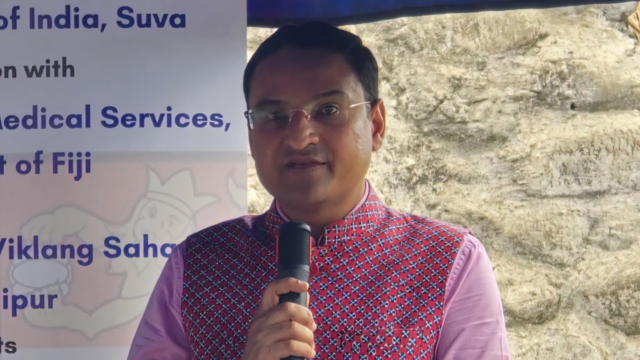
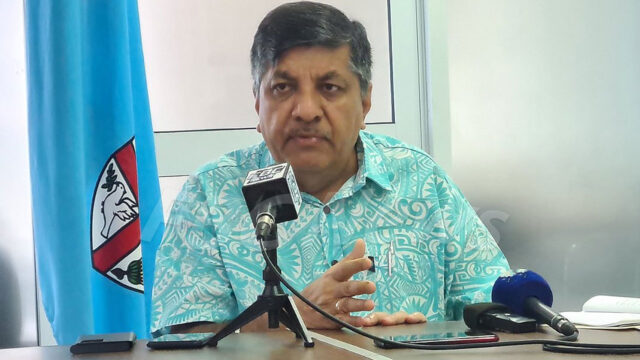
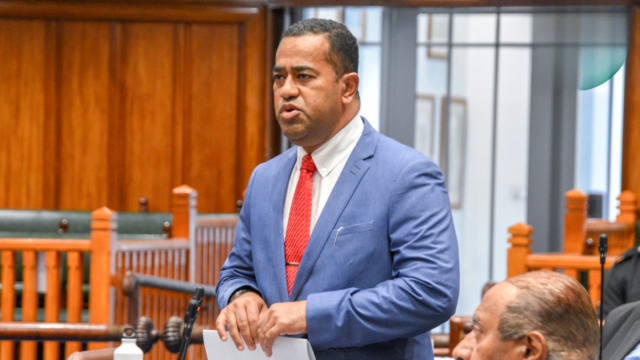
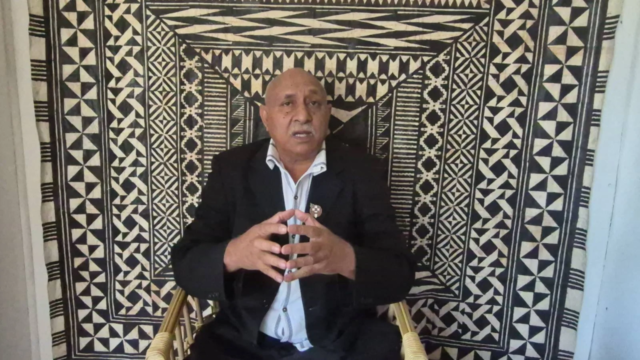
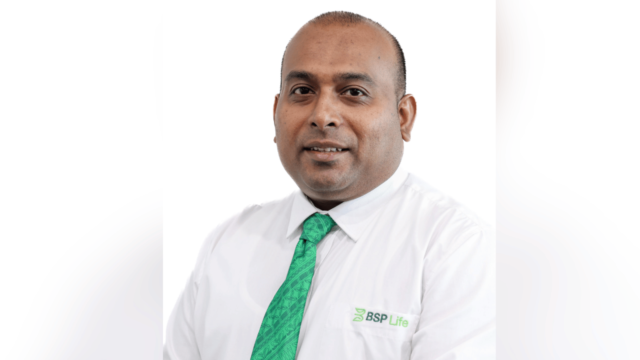
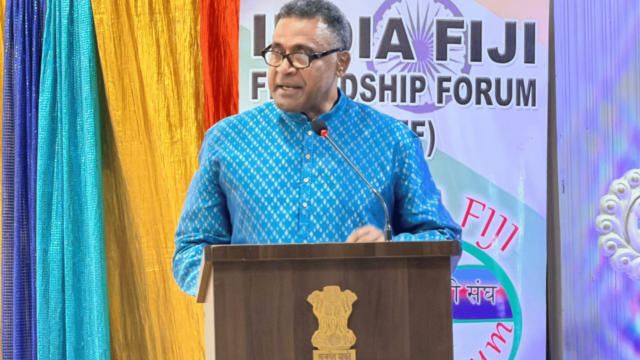
Digital remittances will not deliver their full benefits if recipients still depend on cash, says Digital Financial Services General Manager Shailendra Prasad.
Prasad says while digital platforms can make receiving money easier, the cost of sending remittances from markets such as Australia and New Zealand is largely determined by overseas partners, not local providers.
He explained that Fiji and other Pacific Island markets are price takers in the international remittance market, with limited control over what sending partners charge customers.
“Fiji has no control over that so I think there is an important distinction. What we can facilitate though is where the lawmakers and policy makers can help.”
Prasad states the focus should instead be on reducing the need for cash once the money reaches its destination.
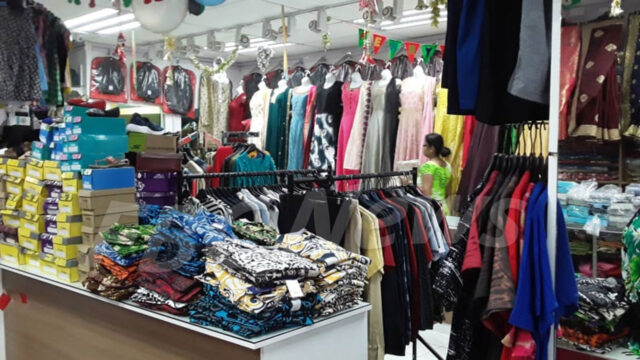
He also points out that recipients who keep funds in their digital wallets and use QR codes to pay for groceries and other goods can avoid withdrawal costs altogether.
Prasad adds that policymakers and lawmakers have a role in making digital payments more practical, particularly in communities where people still need cash to complete everyday transactions.
He warns that the cost of moving physical cash across the Pacific also carries significant financial risks, which can outweigh the profits made from transactions.
Prasad cites an incident in which a bank reportedly lost $850 million in transit, saying the money is yet to be recovered.
He said a single loss of that scale could wipe out years of profits and potentially threaten the operations of a small island nation.
Prasad says the debate over remittance fees must also account for the wider economic cost of delivering money, rather than focusing only on the charges customers pay.
He said digitalisation would have a greater impact when people can receive, retain and spend money electronically without having to withdraw cash