 Reuters
[Source: Reuters]
The Trump administration has issued more than 100 subpoenas demanding records on tens of thousands of voters in at least 13 states, part of an escalating effort ahead of next week’s midterm elections to uncover evidence of unlawful voting by people who aren’t US citizens.
Most of the subpoenas documented by Reuters were issued to state and local election officials in the past three months, though some date to the start of the year.
Many were previously unreported, revealing a federal effort to identify potential noncitizen voters that is broader than publicly known.
It is illegal for noncitizens to vote in US federal elections.
Legal experts say the records could be used to contest results in close midterm races, despite scant evidence that voting by noncitizens is widespread.
Reuters identified the subpoenas through public-records requests and interviews with local and state officials. Many were issued in Democratic strongholds, including Minneapolis, Philadelphia, Los Angeles and other California cities.
But they also reach into Republican-leaning states with competitive races, including Texas, Kansas and Georgia.
At least 49 of the subpoenas were issued under the authority of grand juries, indicating they are tied to criminal investigations and making them generally harder to challenge in court than administrative subpoenas issued directly by federal agencies.
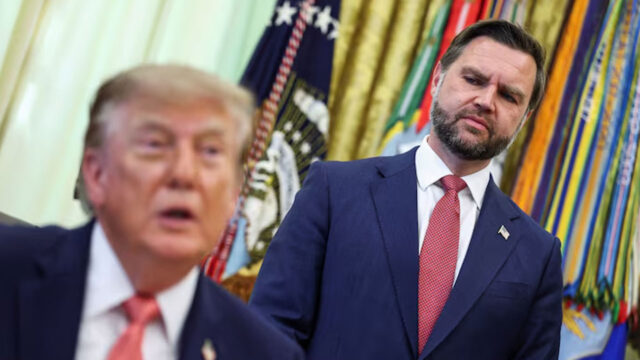
The White House says noncitizen voting is a significant problem that warrants the sweeping federal effort to identify and prosecute such cases, including through the deployment of hundreds of federal law enforcement agents. It has vowed to keep the effort a top priority.
“The Trump administration is sending a clear message that anyone who illegally votes in our elections will be held accountable,” White House spokesperson Lauren Bis said in a statement to Reuters. “Only Americans should be electing America’s leaders.”
Multiple studies and a Reuters analysis have found that noncitizen voting is exceedingly rare.
The subpoenas are one piece of an expansive campaign targeting noncitizen voting.
Armed Homeland Security agents have questioned residents in several states about their immigration status and voting, while the Justice Department has sued 30 states that refused to provide voter rolls containing sensitive personal information such as driver’s license numbers and partial Social Security numbers.
A federal judge largely halted Homeland Security’s field operations in nine states on October 21, and courts have ruled against the Justice Department in every voter-roll case so far. Many of those cases remain under appeal.
The subpoenas issued by the Justice Department and Homeland Security offer another way to obtain the same voter information, which legal experts say could figure in disputes over midterm election results.
Elections are administered primarily by the states, with the federal government playing a limited role.
Under most state laws, only losing candidates or voters can challenge election results, but the Justice Department could still take legal action to delay or block certification of winners.
Heavily Democratic California offers a glimpse of how such a fight could unfold.
Its congressional seats could decide who controls the US House of Representatives. The Justice Department alleged this month that more than 20,000 “likely” noncitizens in California had received mail ballots and demanded any ballots cast by them not be counted until their citizenship was verified.
California officials refused and called the list unreliable, saying a review of 200 registrations found nearly 40% appeared to be US-born.
The Justice Department declined to confirm or deny its use of subpoenas in noncitizen voter investigations, but said it “will enforce the law wherever the evidence leads.” The Department of Homeland Security did not respond to questions.
Some election officials and lawyers told Reuters the noncitizen voting investigations could bolster a false narrative that American elections are vulnerable to widespread fraud.
In a closely divided country, Trump and his allies could use those claims to attack the legitimacy of narrow defeats, particularly in tightly contested races, they said.
The subpoenas issued by the administration are “clearly a distraction” for local and state election officials, said Paul Charlton, a former US attorney for Arizona in the Republican administration of George W. Bush.
“In my time as a federal prosecutor, we prosecuted people who shouldn’t have voted, but it was so infrequent as to never even come close to altering the outcome of an election.”
Since Trump returned to office, prosecutors have accused at least 147 people of illegally voting under a federal “voting by aliens” statute, including 102 since the start of September, according to a Reuters analysis of court filings and federal records. The cases – most of which remain unresolved – amount to fewer than one for every million people who voted in 2024.
The investigations are “setting up” post-election challenges that, while legally weak, could sow chaos, said Ben Berwick, a former Justice Department attorney who served in the Obama and Trump administrations and now leads the election law and litigation team at Protect Democracy, an advocacy group.
Trump-aligned candidates who lose could argue that suspected noncitizen votes made it impossible to determine the rightful winner and seek to have ballots or even the election result thrown out, Berwick said.
The stakes are high. Democrats need to gain four Senate seats and five House seats to take control of Congress. Winning either chamber would give them power to launch investigations into the Trump administration and Trump family business dealings.