 Josefa Sigavolavola

[Photo: File]
Maternal mental health is a growing concern, with one in three mothers surveyed showing signs of depression in the year after childbirth.
Nearly nine per cent reported thoughts of self-harm, highlighting the need for stronger screening and support for mothers.
The findings raise questions about how well maternal health services identify women at risk and connect them to appropriate care, particularly when financial hardship, family violence and a lack of support at home compound the pressures of motherhood.
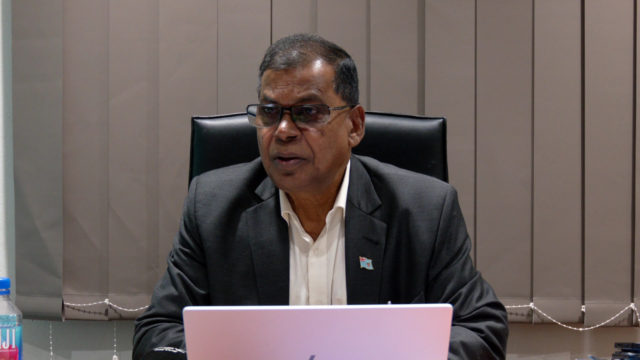
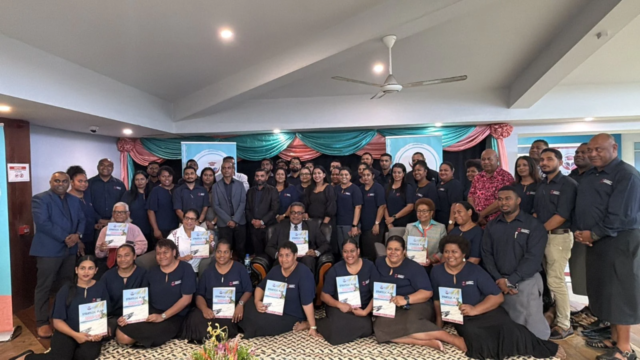
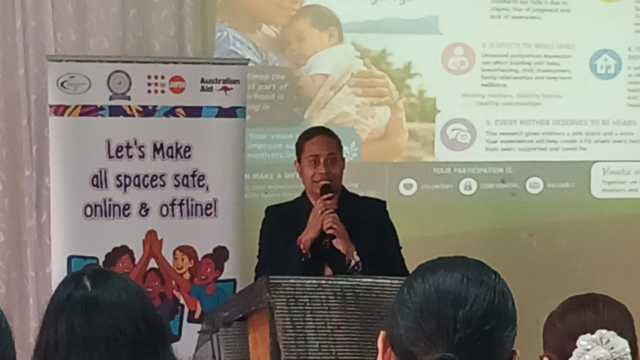
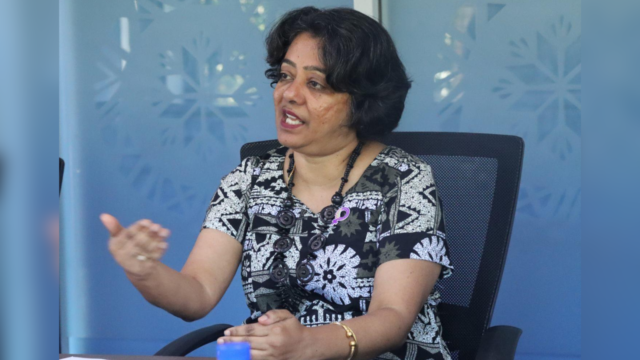
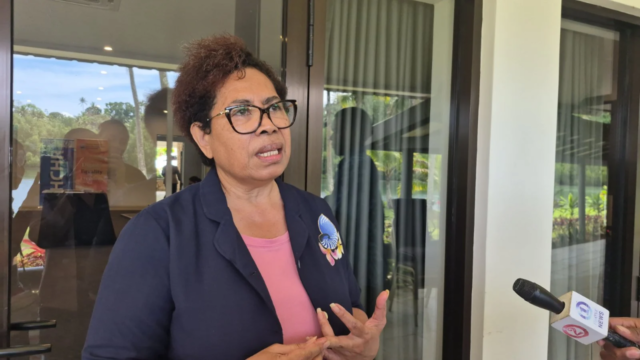
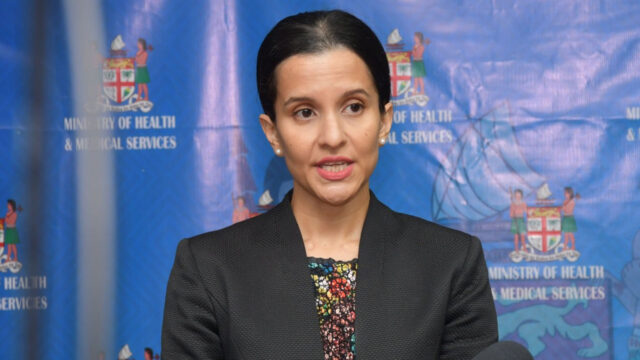
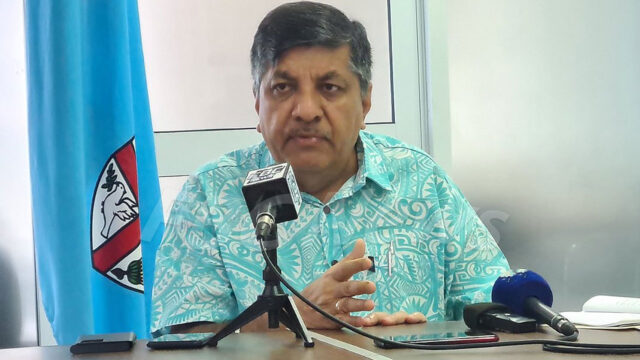
The Voices of Mothers study, launched by Minister for Women, Children, Social Protection and Cohesion Sashi Kiran is the first in Fiji to measure postpartum depression among mothers attending maternal and child health clinics at the Colonial War Memorial Hospital in Suva.
About 325 mothers took part in the research.
“These findings remind us that postpartum depression is not rare and something that mothers should not face alone. Its often hidden misunderstood and left untreated and too many women suffer in silence because they fear stigma judgment are they good enough mothers.”
Kiran states the study fills a significant gap in local evidence and highlights the need to recognise postpartum depression as a maternal health concern requiring early identification and intervention.
While 33 percent of participants showed signs of depression, about 16 percent required clinical attention. Twelve percent met the threshold for probable postpartum depression.
Kiran saif some mothers who reported thoughts of self-harm did not recognise these experiences as possible signs of postpartum depression, highlighting the consequences of limited awareness and the need for timely screening and referral.
The research also points to the role of economic insecurity and conditions at home in shaping mothers’ mental health.
Women from households earning less than $500 a fortnight were significantly more likely to experience depression. Mothers without daily help with childcare, household duties and meal preparation were also at greater risk.
Nearly one in four participants reported some form of abuse, with family violence associated with poorer mental health outcomes.
Kiran says the findings reinforce the need to address maternal mental health alongside women’s economic empowerment and social protection.
She says the government will work with the Ministry of Health and Medical Services, development partners, civil society and communities to strengthen attention to maternal mental health in national policy and service delivery.
Kiran also stresses that support must extend beyond health facilities, with families helping mothers manage the demands of recovery and childcare and ensuring women can seek professional help without fear of stigma or judgement.