 Mosese Raqio
[Photo: SUPPLIED]
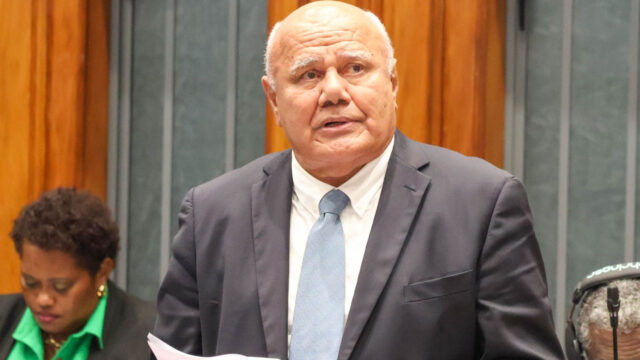
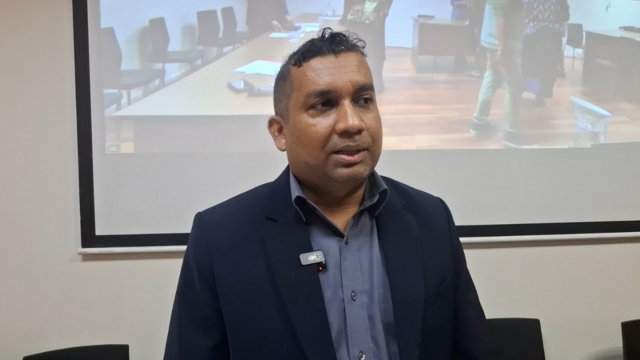
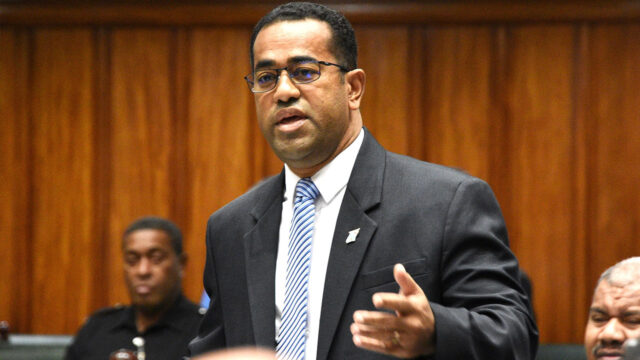
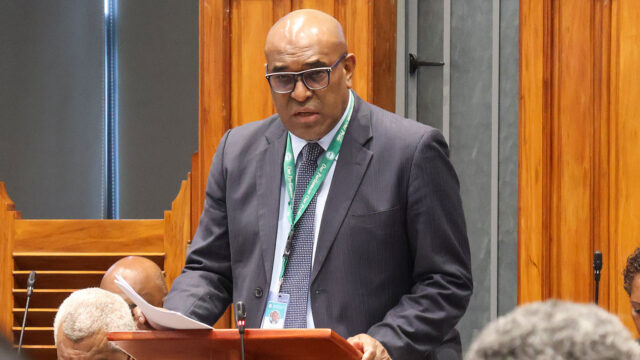
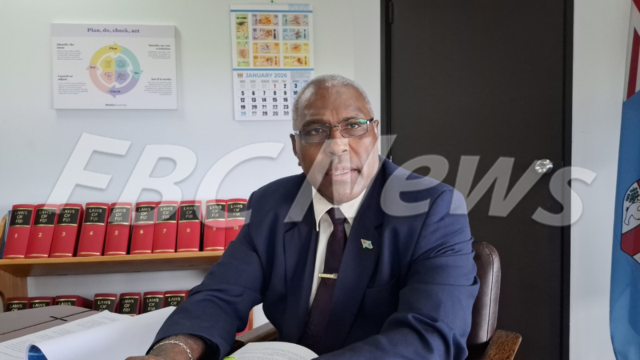
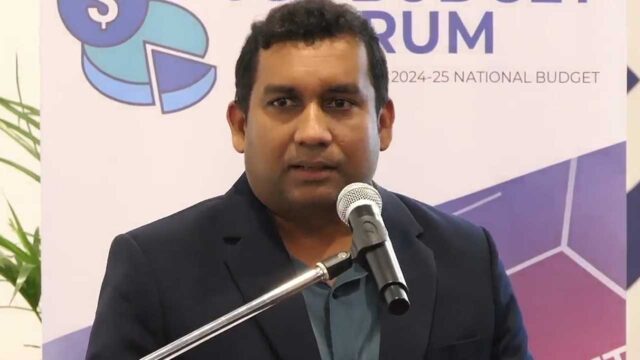
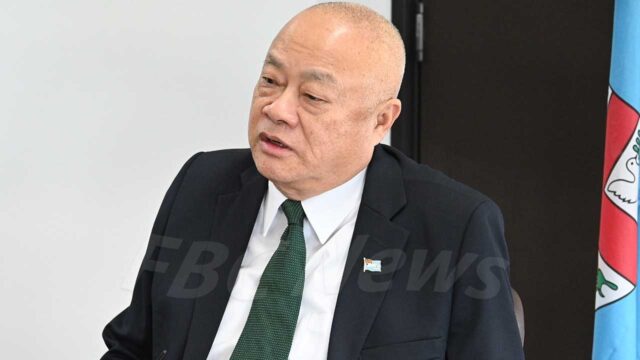
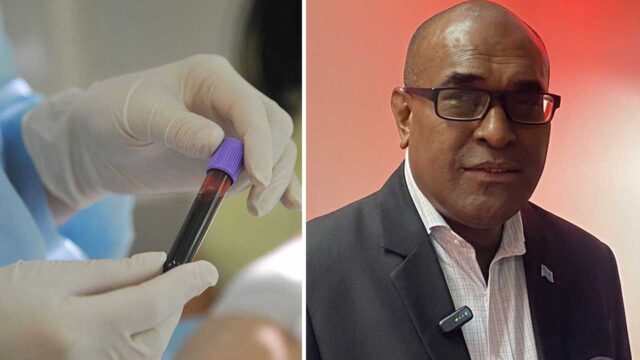
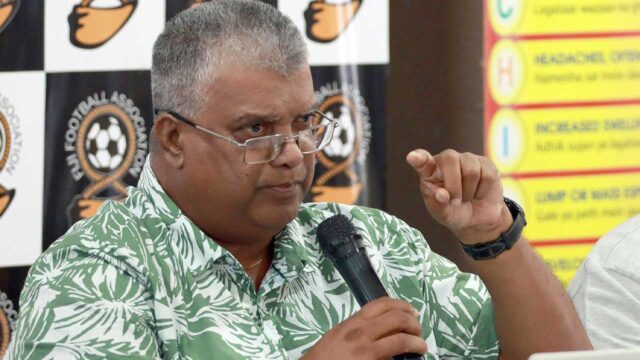
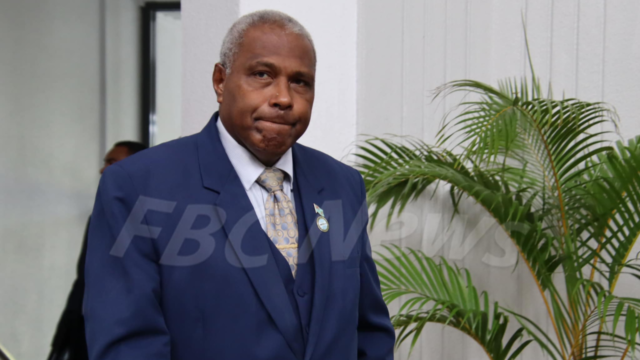
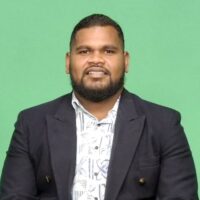
Repeated political upheavals have left serious and lasting damage on Fiji’s economy, weakening institutions, slowing development and driving skilled workers out of the country, according to development economist Dr Asaeli Tuibeqa.
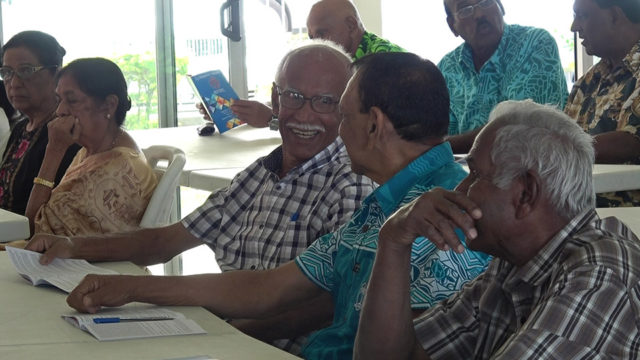
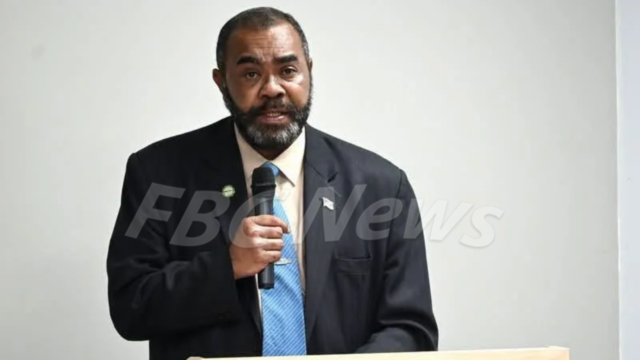
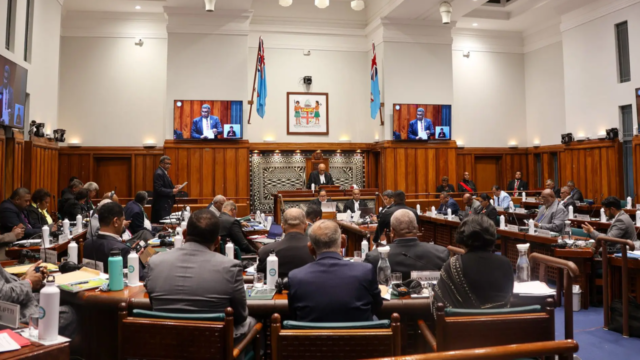
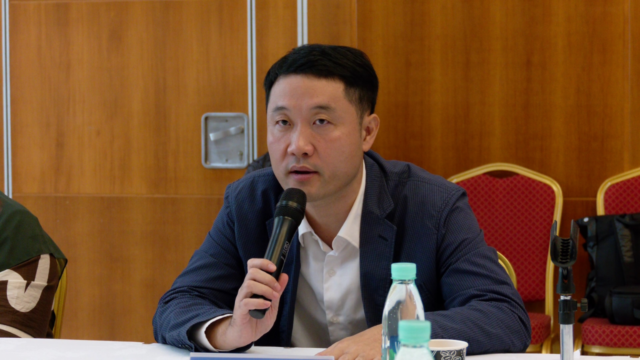
Speaking during a hearing convened by the Fiji Truth and Reconciliation Commission in Suva, Dr Tuibeqa said Fiji’s history of political instability created what he described as a “coup gap” that the country has struggled to recover from over time.
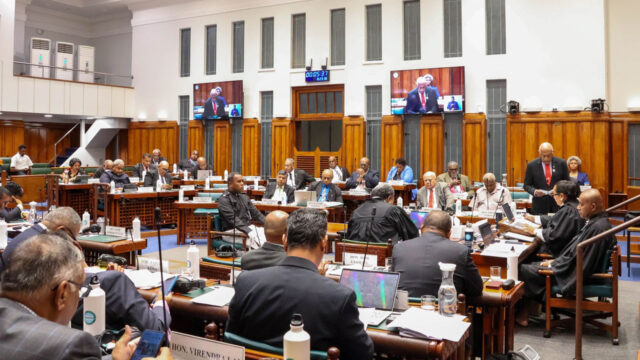
Appearing before FTRC Chair Joaquim Da Fonseca and Commissioners Rachna Nath and Ana Laqeretabua, Tuibeqa shared findings on how repeated political crises reshaped Fiji’s economic trajectory and weakened governance systems.
The Fiji National University Dean of the College of Business, Hospitality and Tourism Studies said each political crisis created economic setbacks that Fiji never fully recovered from before another disruption occurred.
He says the instability weakened Fiji’s “immune system” in terms of resilience, governance and institutional strength.
Dr Tuibeqa also warned that political instability reduced investor confidence, disrupted policymaking and damaged the effectiveness of public institutions.
He says repeated upheavals accelerated the migration of skilled professionals in critical sectors, including health, education, engineering and public administration.
According to Dr Tuibeqa, the continued loss of skilled workers has affected Fiji’s ability to build resilience and sustain long-term development.
He also highlighted Fiji’s heavy reliance on tourism and exposure to external shocks as major economic vulnerabilities, particularly during periods of political uncertainty.
During the hearing, Tuibeqa called for a new leadership culture focused on healing, strategic thinking and long-term national development.
He says Fiji needs leaders with foresight, active listening skills and the ability to guide the country toward prosperity.
Dr Tuibeqa also stressed the need for leadership grounded in both capability and cultural identity.
He concluded by recommending stronger institutions, improved governance, economic diversification and greater investment in human capital development to support long-term stability and inclusive growth.
He says building resilience requires political stability, institutional trust and an economy that creates opportunities for all communities.