 Litia Cava
[Photo: FILE]
The expansion of police powers under the new law has raised questions about how officers will be held accountable for abusing their authority.
While the Police Bill 2026 introduces a new disciplinary tribunal and formal complaints procedures, MPs have questioned whether the proposed safeguards will be strong enough to protect citizens and ensure disciplinary decisions are fair and transparent.
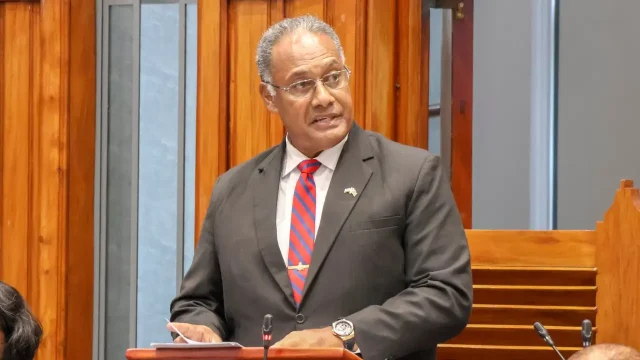
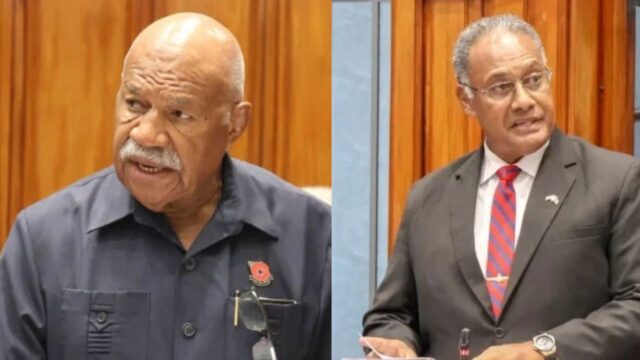
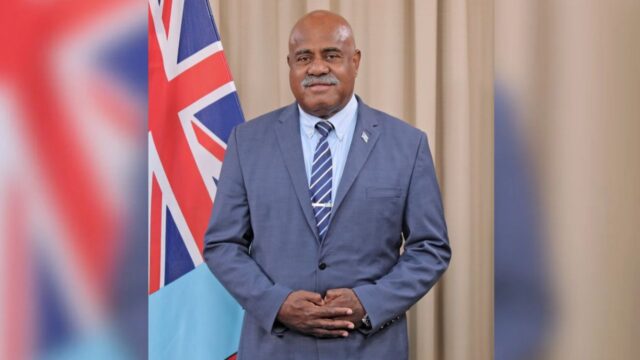
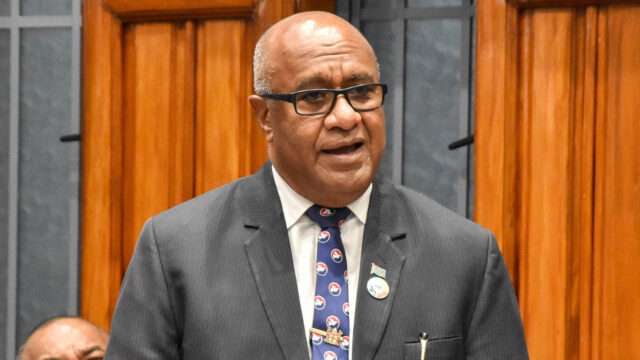
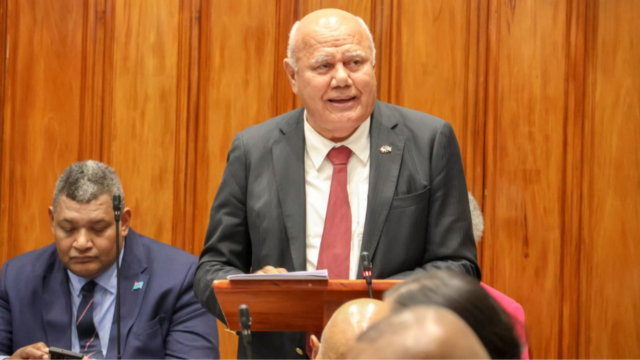
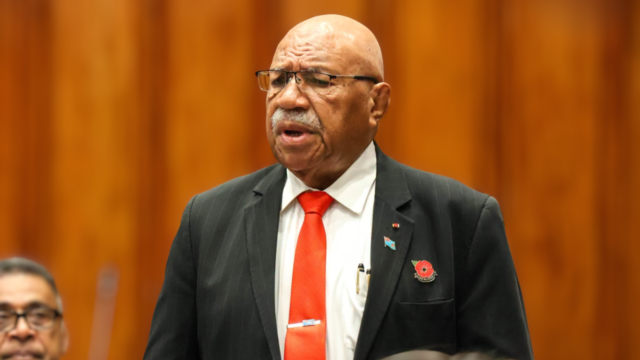
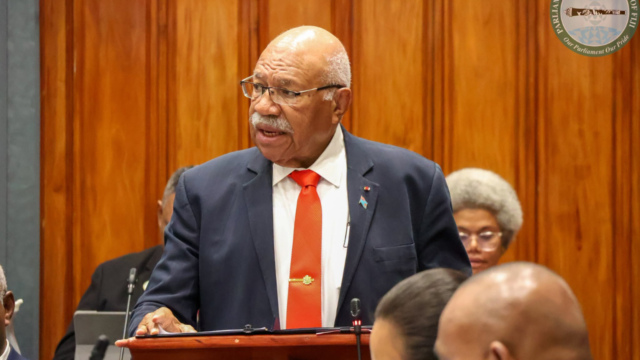
Prime Minister Sitiveni Rabuka said the government had two equally important responsibilities and that was to strengthen the Fiji Police Force and protect the rights and freedoms of every Fijian.
He stressed that the authority given to police officers must never be separated from accountability, warning that public confidence depends on people knowing that misconduct will be investigated and dealt with appropriately.
A key reform is the establishment of the Fiji Police Force Disciplinary Tribunal under clause 130.
The tribunal will provide an external mechanism for reviewing disciplinary decisions made by the Commissioner of Police.
Its composition will include a chairperson who is, or is qualified to be, a judge, alongside members with policing experience and civilian representation.
Rabuka welcomed the proposed tribunal but said accountability must extend beyond internal disciplinary arrangements.
He emphasised the need for accessible complaints channels, timely responses and protection for people who report police misconduct.
He also supported the parliamentary committee’s recommendation that complaints receive a response within 30 days, describing it as a positive step towards strengthening
public accountability.
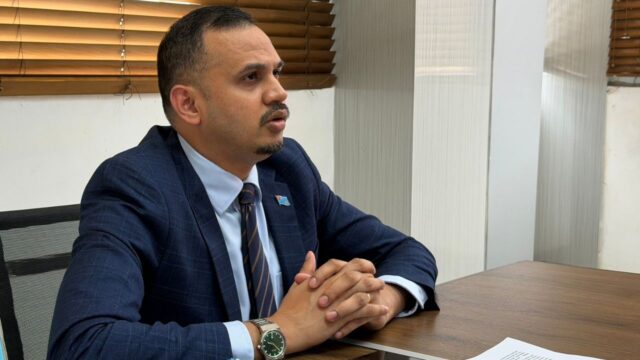
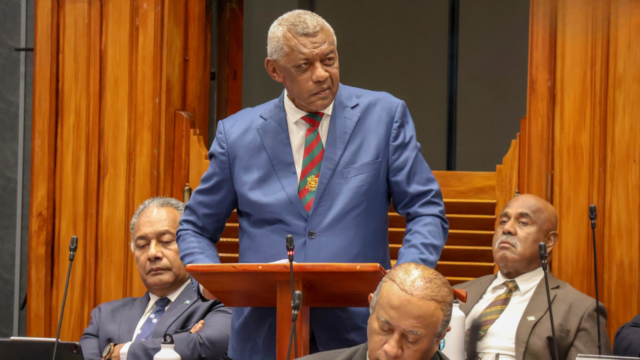
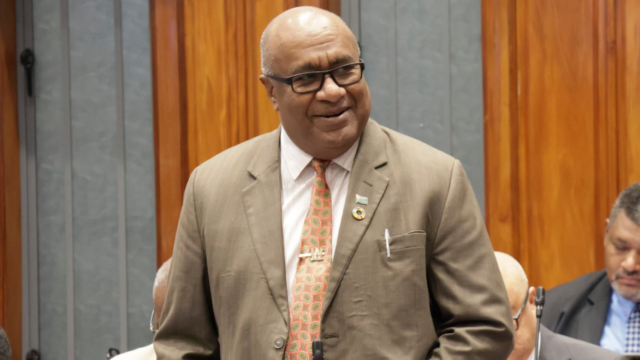
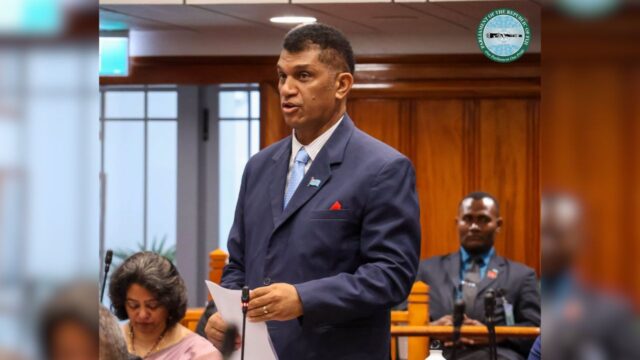
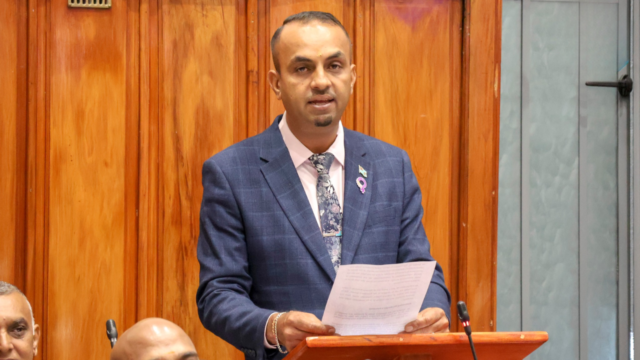
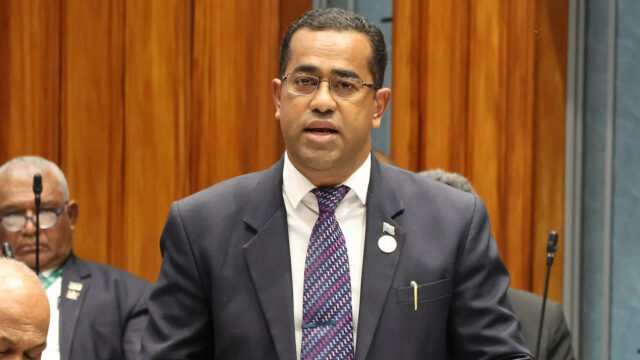
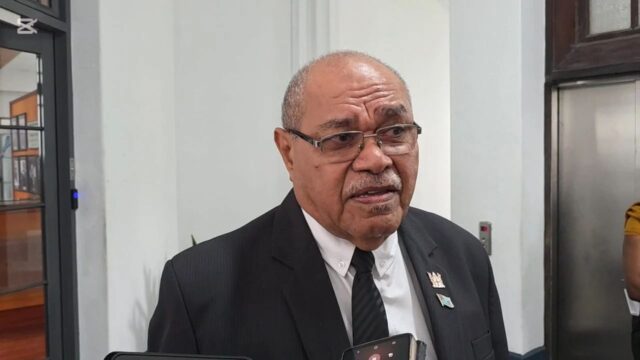
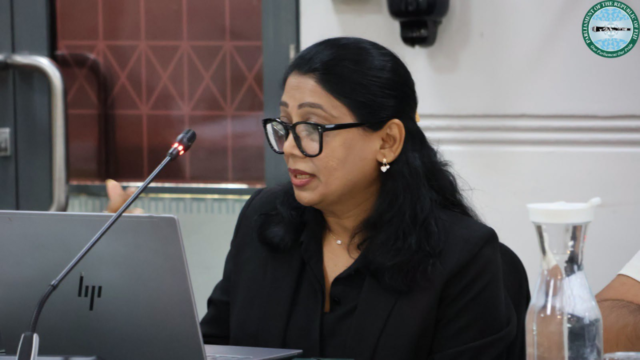
Opposition MP Faiyaz Koya, meanwhile, raised concerns about the extent of the Commissioner’s authority under clause 11.
The provision allows the Commissioner to delegate any of his powers, duties or functions under the Act to the Deputy Commissioner or a police officer.
Koya questioned why such broad delegation should extend to any police officer rather than being restricted to designated senior officers.
He warned that the provision could create risks, particularly in an environment where the exercise of public authority requires clear lines of responsibility and accountability.
Koya also questioned provisions allowing the continued storage of identifying information, including photographs, fingerprints, palm prints and footprints, in circumstances where a person is discharged from proceedings.
He argued that the law should clearly distinguish between a discharge involving a conviction and one without conviction, questioning the justification for retaining a
person’s identifying information where no conviction has been secured.
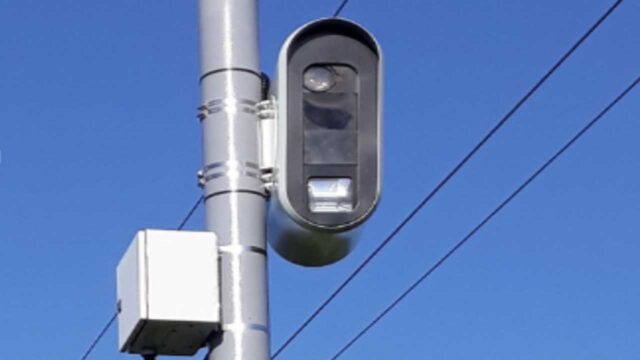
These concerns come as the Bill introduces expanded investigative powers, including surveillance, searches, tracking and access to digital information.
Rabuka said the distinction between the Minister’s responsibility for general policy direction and the Commissioner’s responsibility for police command, management and
operational deployment must also be protected.
He warned that police must operate without political interference, favour or prejudice.
The Bill also introduces financial auditing and public reporting requirements, covering police performance, complaints, investigations, disciplinary action, expenditure and community policing.
However, the parliamentary debate has made clear that establishing accountability mechanisms in legislation is only the first step.