 Josefa Sigavolavola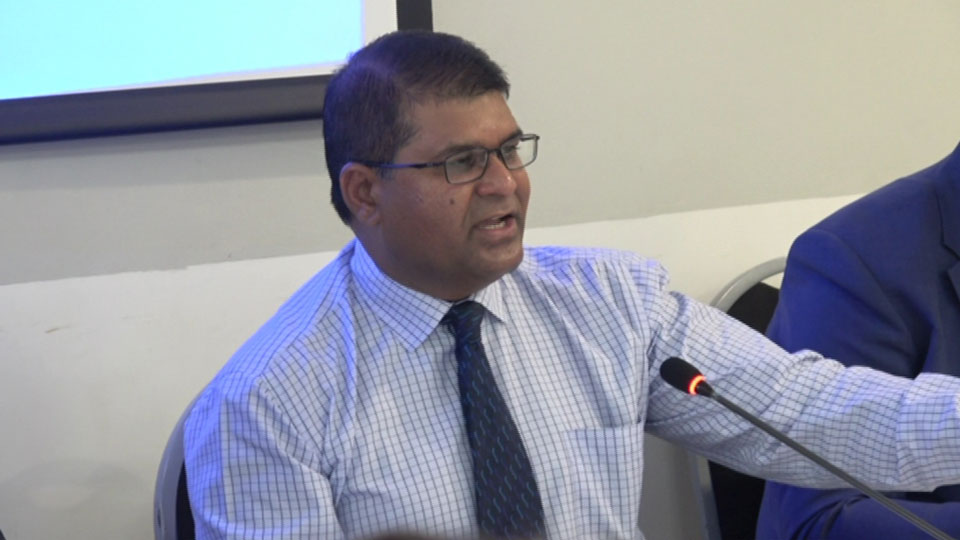
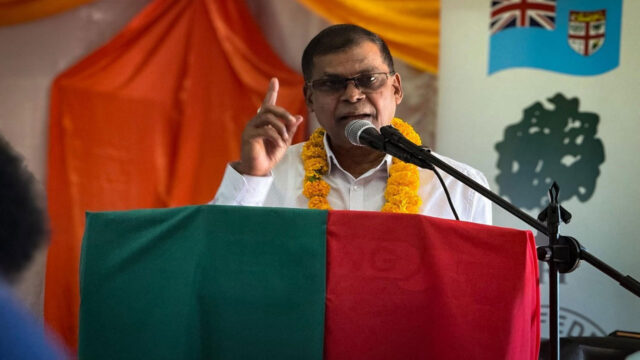
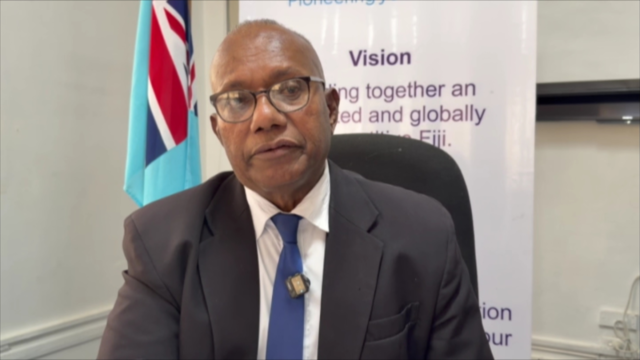
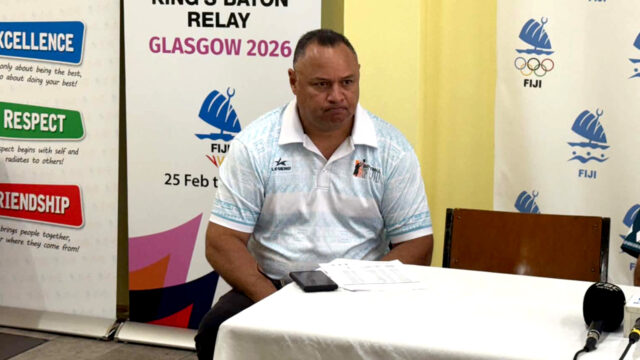
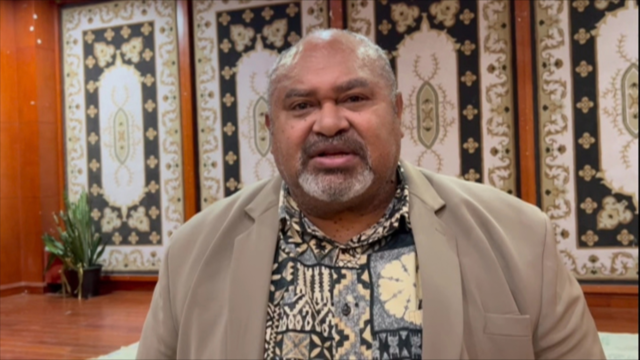
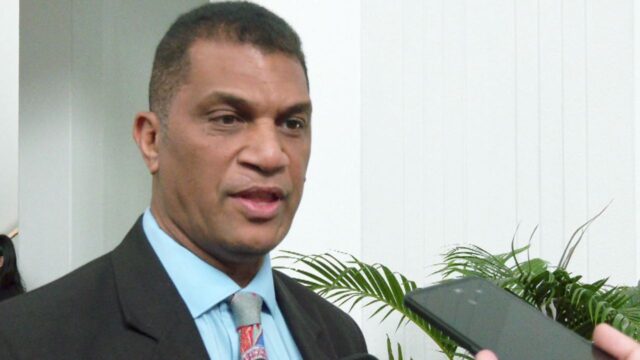
RBF Governor and National Financial Inclusion Taskforce Chair Ariff Ali. [Photo: FILE]
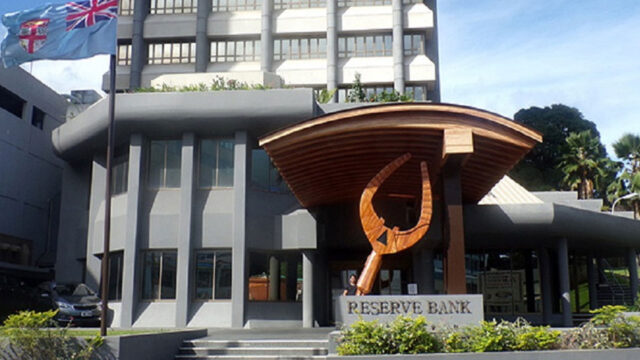
Women are using more formal financial services in Fiji, but access to credit remains a major gap.
The Reserve Bank of Fiji says women’s ownership of demand deposit accounts reached 77.7 per cent last year, while access to formal credit rose to 9.6 per cent.
Women also made up 73.7 per cent of active registered mobile money users.
The figures are contained in the RBF’s Financial Inclusion Annual Report 2025, which tracks progress under the National Financial Inclusion Strategy 2022 to 2030.
The report states the focus is now on removing barriers that continue to limit women, underserved communities and small businesses from fully participating in the financial system.
RBF Governor and National Financial Inclusion Taskforce Chair Ariff Ali says significant gaps remain, particularly for women and other underserved communities.
The report, he states, shows what can be achieved through collective action, while reaffirming the commitment to removing barriers to fair and sustainable participation in the financial system.
The RBF also completed the pilot phase of the Women Entrepreneurs Finance Initiative Code and adopted national definitions and baseline indicators for women-owned and women-led MSMEs.
A Gender Inclusive Finance Report was also launched to identify supply-side barriers affecting women’s use of formal financial services.
Digital financial services continued to grow during the year.
Payment service providers processed 116.4 million mobile wallet transactions worth $ 7.3 billion.
Internet banking registration reached 60.5 percent of banked adults, while 72.2 percent of registered mobile money users were active.
However, overall bank account ownership fell to 82.9 percent, with men recording higher account ownership than women.
The RBF also launched Fiji’s Sustainable Finance Roadmap and its first Green Finance Taxonomy to guide investment towards environmentally sustainable activities.
More than 32,000 Fijians were reached through financial literacy programs during the year.
The RBF says future work will focus on digital identity and payment reforms, consumer protection, financial capability and greater access to finance for MSMEs.
It will also target women, youth, rural communities, persons with disabilities and other groups that remain underserved.