 Riya Mala
[Photo: SUPPLIED]
A major step is being taken to improve how disaster warnings reach Fijians, with the Government working to establish a stronger and more coordinated national alert system.
Through the National Disaster Risk Management Office, in partnership with the United Nations Development Programme, Fiji is strengthening its early warning capabilities under the global Early Warnings for All initiative.
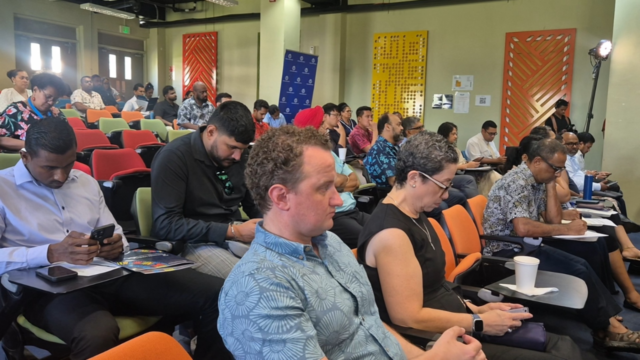
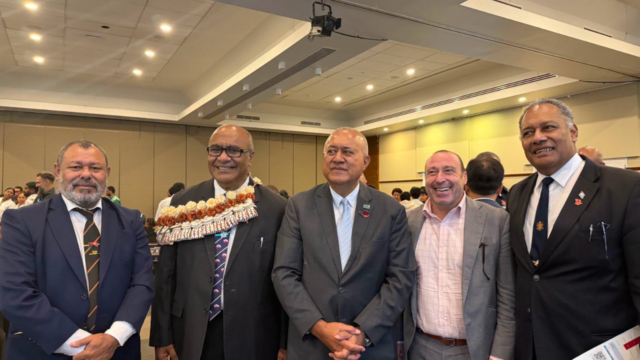
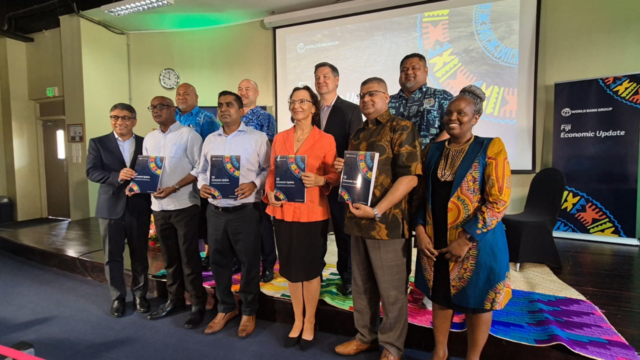
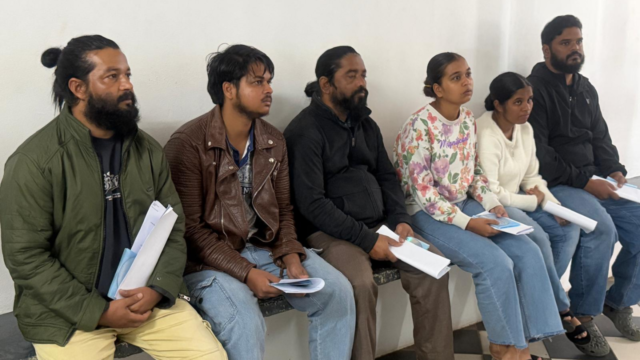
A three-day National Common Alerting Protocol Workshop and National Dialogue is bringing together Government agencies, telecommunications providers, broadcasters, technical experts and development partners to improve how emergency messages are reated and shared.
The initiative aims to ensure that warnings for cyclones, floods, droughts, tsunamis and other hazards reach communities quickly through multiple platforms, including SMS, radio, television, websites and mobile applications.
Minister for Rural and Maritime Development and Disaster Management Mosese Bulitavu says Fiji continues to face increasing risks from climate-related disasters, making effective early warning systems critical.
He says past disasters have affected more than 1.8 million people in Fiji, causing loss of lives, livelihoods and infrastructure.
The Common Alerting Protocol will allow emergency alerts to be created once and distributed across different communication channels at the same time, improving the speed and consistency of public warnings.
UNDP Pacific Office Deputy Resident Representative Abduvakkos Abdurahmanov says an early warning system is only effective if it reaches the last person, especially those in vulnerable communities.
The workshop will support the development of Fiji’s National CAP Profile and Policy, strengthen coordination between agencies and help establish the NDRMO as the national authority responsible for managing multi-hazard alerts.
Government says the initiative will help build a more resilient Fiji by ensuring communities receive timely information and can take action before disasters strike.