 Litia Cava
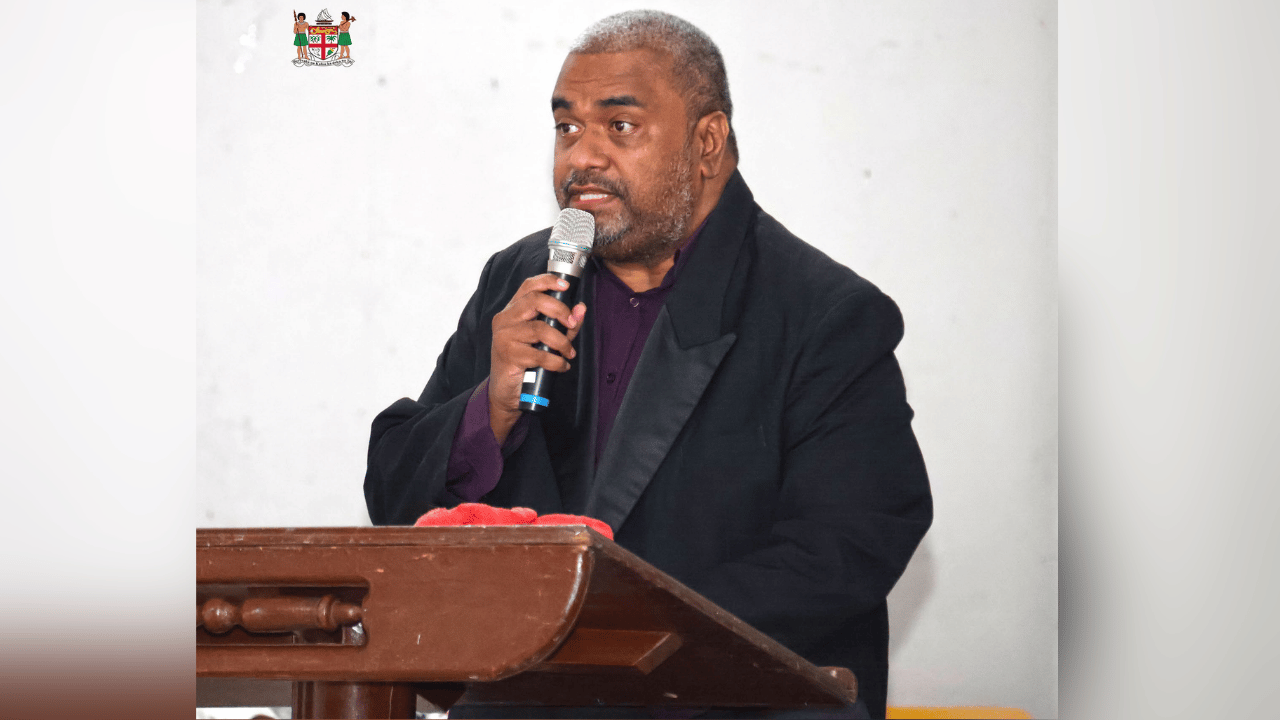
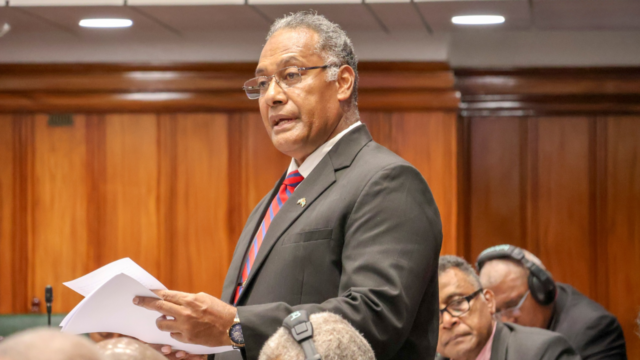
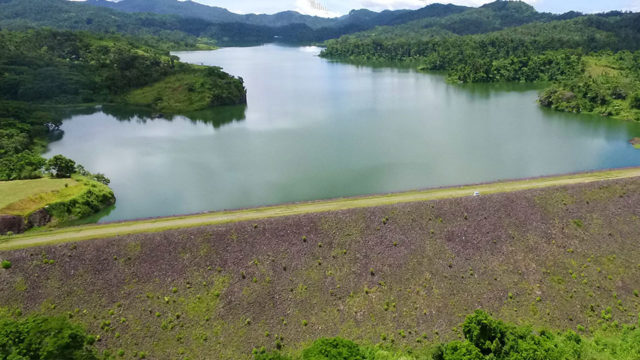
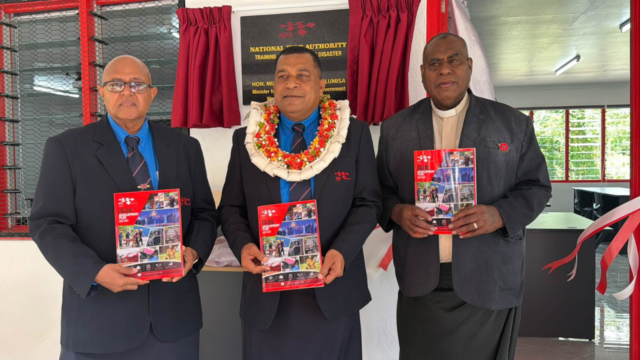
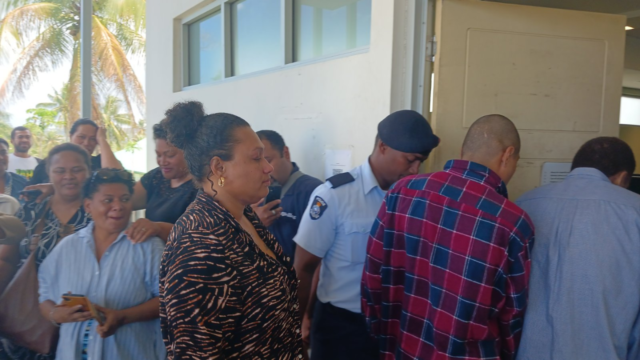
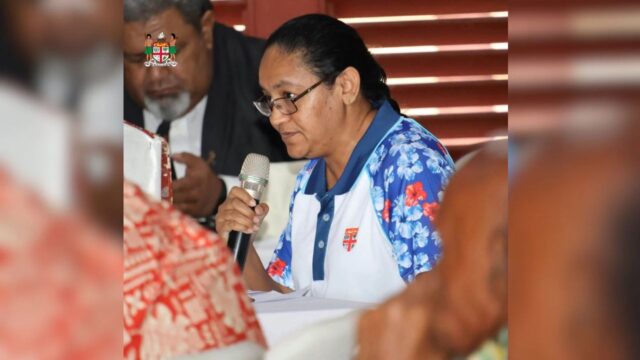
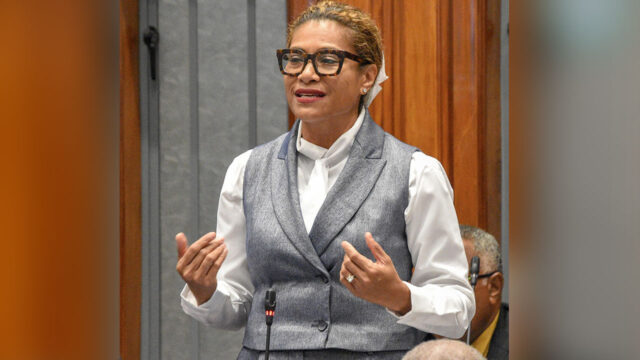
[Photo Source: Fiji Government/ Facebook]
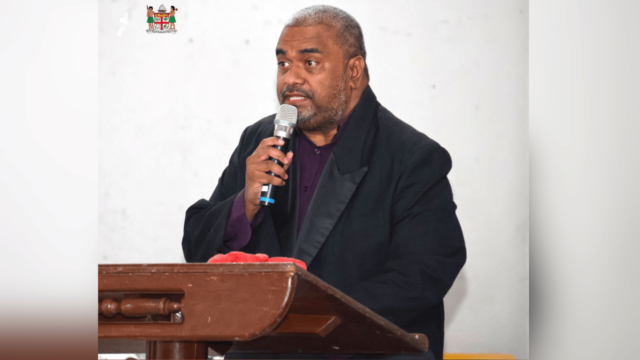
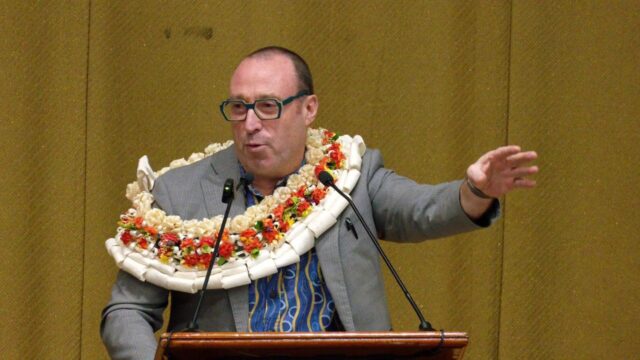
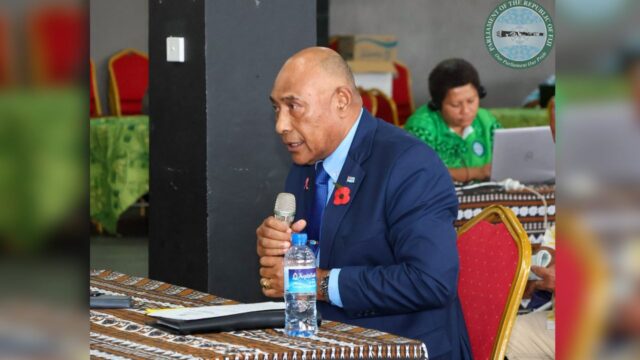
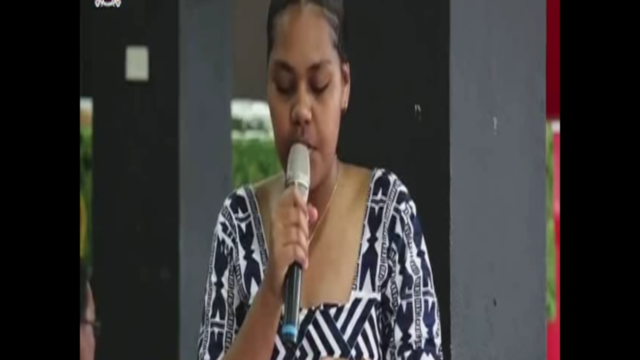
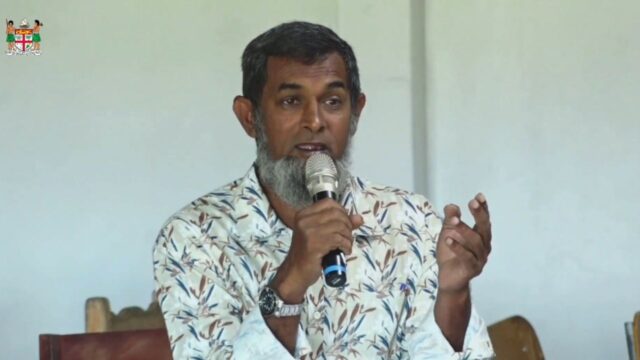
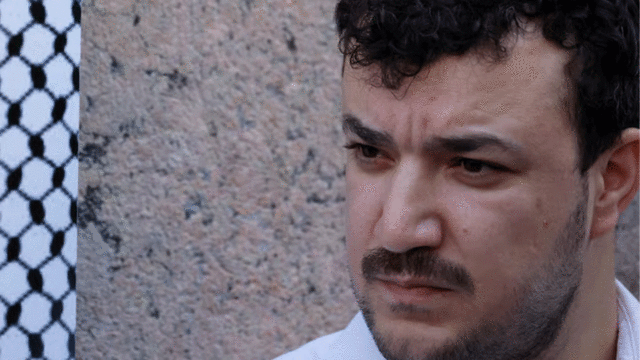
Nasinu Resident Joeli Kalou is calling for churches to pay taxes on the income they earn.
He argued that religious organisations should be taxed on the same basis as others making money.
A church pastor himself, Kalou states the issue must be addressed as part of efforts to correct inequalities in the proposed Constitution.
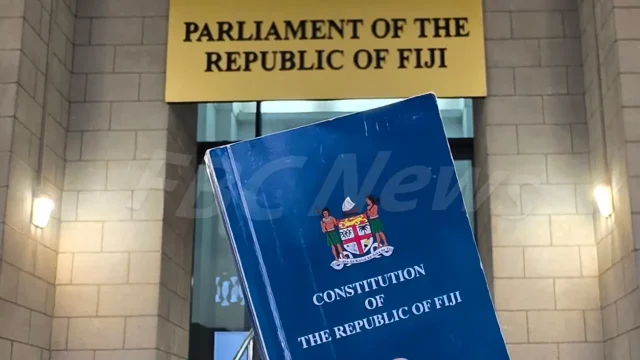
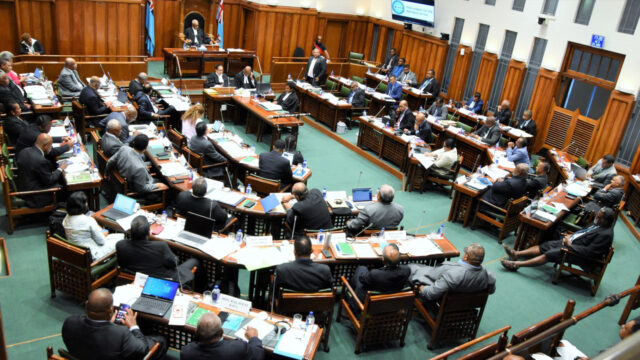
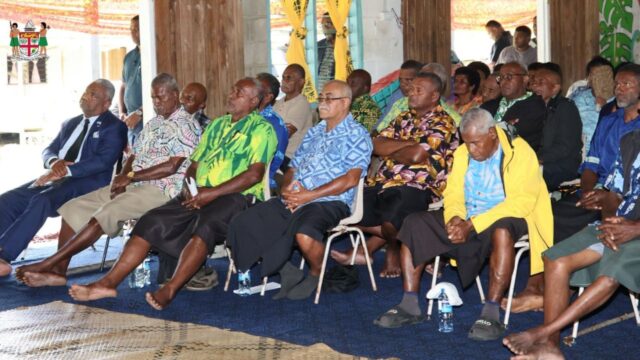
Kalou submitted to the Special Committee reviewing the Constitution Amendment Bill 2026, where he also called for Fiji to heal from its history of political upheaval and for constitutional changes to address past injustices.
“But on the issue of making Fiji a Christian state, I think that it should be just on declaration, not on enforcement. That has to be clear. The, the, that we should just declare it. Why? For these two reasons, 60 to 70 percent are Christians in our nation, so there’s an overwhelming majority. And civilization, as we all know, did not come because there was a denomination, but because of the message.”
Drawing on his own family’s experience, Kalou said his father won four elections but was removed from power in three coups.
He said he was 12 years old when he witnessed what happened to his father.
Kalou told the committee that he and his family had forgiven those responsible, but forgiveness must be accompanied by corrective action.
He warned that without addressing the past, Fiji would struggle to move forward.
He also argued that Fiji’s proposed declaration as a Christian state should not lead to the enforcement of religious beliefs.
Instead, he said, Christianity should be declared as part of the country’s identity without being imposed.
Kalou further called for a reduction in the number of Members of Parliament to 30, saying Fiji needed fresh thinkers who could attract investment and bring new ideas into politics.
He also challenged the committee to consider the constitutional implications of immunity for those involved in past coups.
Kalou questioned whether legal opinions should outweigh the views and experiences of Fijians affected by the country’s political history.