 Nikhil Aiyush Kumar
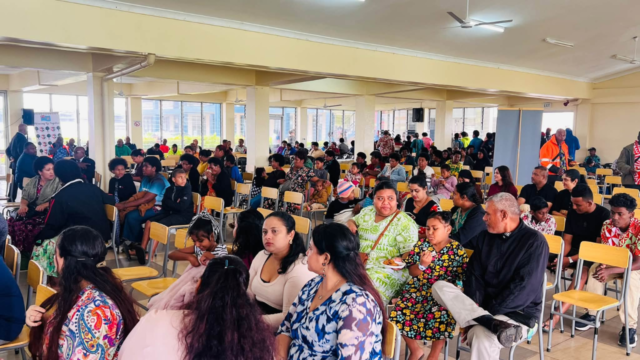
The media has been identified as a critical force in shaping Fiji’s response to its growing HIV crisis, with experts urging journalists to take a more active role in informing the public and reducing stigma.
Speaking at a recent media workshop, UNAIDS Country Director Renata Ram stressed that HIV reporting goes beyond delivering news; it has the power to influence behaviour and save lives.
She says the way stories are told can either encourage people to seek testing and treatment or reinforce misinformation and silence.
Health experts say the media’s reach places it at the center of public health efforts.
“And the role the media plays is so crucial. So how HIV is reported, it can actually help reduce stigma and encourage people to seek testing treatment, or it could go the other way. It could reinforce misinformation and also silence”
Ram adds that poor or sensationalized coverage could deepen discrimination and discourage open discussion, particularly as topics such as sexuality and drug use remain sensitive.
She says that strengthening reporting that is accurate, ethical, and grounded in public health, which is also about being compelling and human. These are people’s lives we’re talking about,
HIV survivor Christopher Lutukivuya shared how going public with his diagnosis and the resulting media coverage significantly shaped public perception.
“So over the years, I’ve stepped aside from speaking publicly about a gay person who was living with HIV because Fiji was not ready then and still is not ready now, but there’s exception on the side. And I know that the work that we’ve done in the past, and now I must thank the media for amplifying the smallest thing that we have done.”
Despite the challenges, the media’s ability to amplify important messages was acknowledged, noting that even small stories can have a significant impact.