 Josefa Sigavolavola
Health experts are raising concerns over the increasing number of tuberculosis and HIV co-infections in Fiji, describing the trend as a serious and growing public health threat.
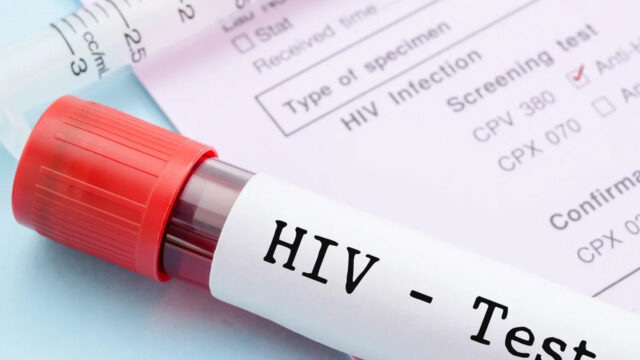
New data presented on World TB Day shows a sharp rise in co-infection rates, with individuals living with HIV facing a significantly higher risk of developing active TB.
Medical authorities warn that this growing overlap requires an urgent and more coordinated response to prevent further escalation.
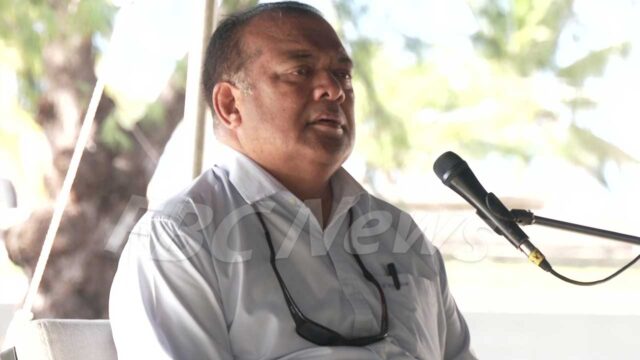
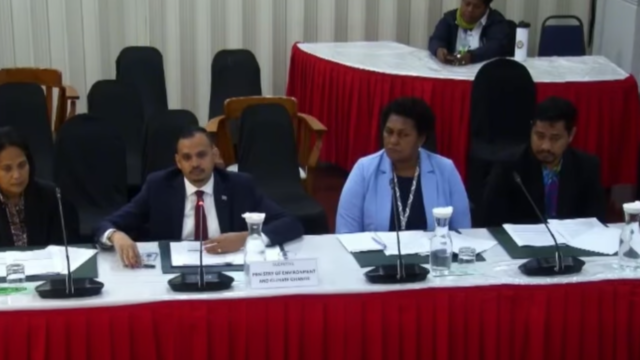
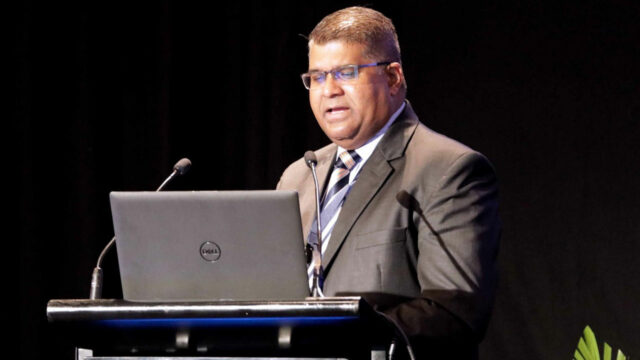
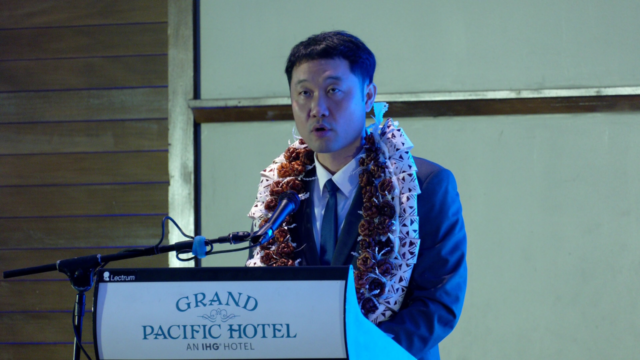
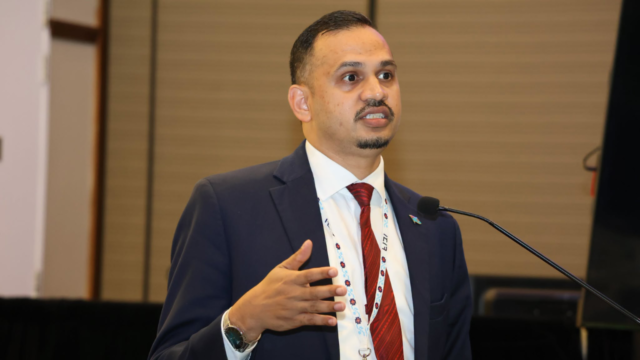
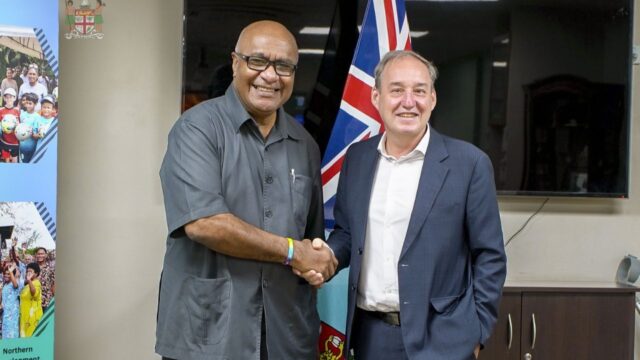
Assistant Health Minister Penioni Ravunawa is calling for a more integrated, patient-centered approach that combines TB and HIV services to improve early diagnosis, treatment, and long-term care.
“A growing public health challenge in Fiji is the increasing overlap between tuberculosis and HIV, as already alluded to.”
Ravunawa stresses that recent infection data demands more action and awareness.
“Our national data shows that TB-HIV co-infection has risen significantly, about 7 percent in 2022, 13 percent in 2023, 28 percent in 2024, 41 percent last year, including cases among children.”
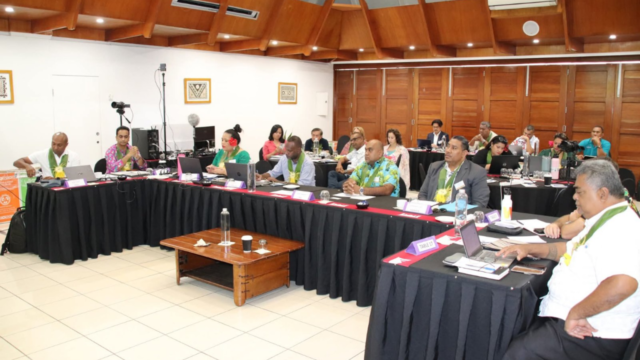
The Ministry of Health has reaffirmed its commitment to eliminating tuberculosis in Fiji, highlighting the launch of the Fiji National TB Management Guidelines 2025 as a key step in strengthening prevention, diagnosis, treatment, and overall TB program management across the country.
Authorities say the updated guidelines will support a more integrated and effective response, aimed at reducing transmission and improving health outcomes nationwide.