 Mollyn Nakabea

[Photo: FILE]
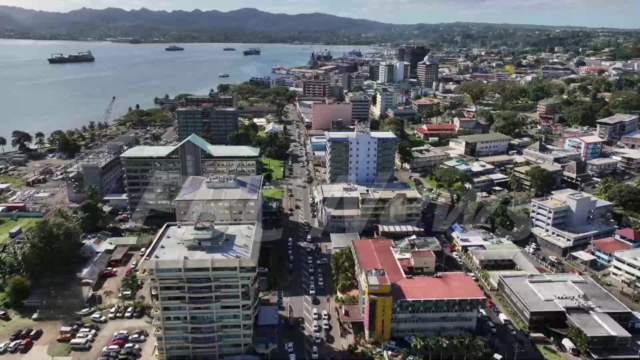
Fiji’s rising national debt and declining foreign reserves are raising concerns about the country’s ability to withstand future economic shocks.
The Fiji Commerce and Employers Federation has pointed this out and is calling for tighter control of public spending, fiscal consolidation and greater investment in domestic production.
FCEF warns that national debt could exceed 90 per cent of GDP by 2028, with debt continuing to grow faster than the economy.
Chief Executive Officer Edward Bernard says the latest World Bank Fiji Economic Update underlines the need for the government to rein in lower-priority recurrent spending and put public debt on a sustainable path.
Bernard said the country’s limited fiscal space was leaving the government with little room to prepare for future economic shocks or invest in expanding the economy.
He adds that rising fuel costs, supply constraints and the effects of El Niño are adding to the pressure on national resources.
The Federation is also concerned that capital expenditure accounts for just 20 percent of the national budget. Bernard says the low allocation for infrastructure investment is constraining private sector expansion and weakening Fiji’s ability to retain skilled workers.
The pressure is compounded by declining foreign reserves, which FCEF warns could affect the country’s capacity to sustain imports and support trade.
Bernard adds that tourism earnings and remittances are no longer sufficient to offset the country’s import bill, highlighting the risks of relying heavily on these sources of foreign exchange.
FCEF is calling for a broader economic base, with greater investment in local industries, increased exports and domestic production of goods currently imported.