 Praneeta Prakash
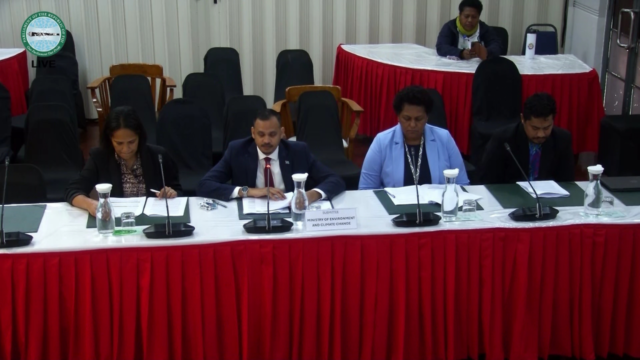
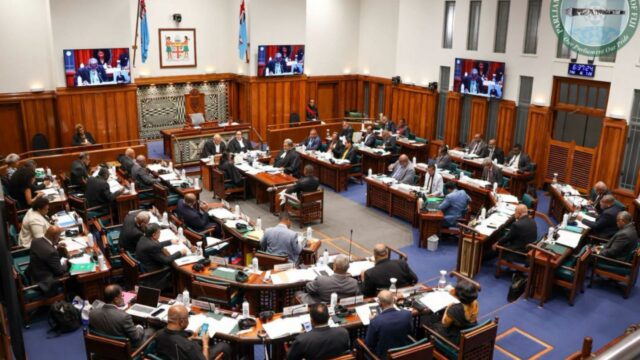
[Photo: Parliament of the Republic of Fiji/FACEBOOK PAGE]
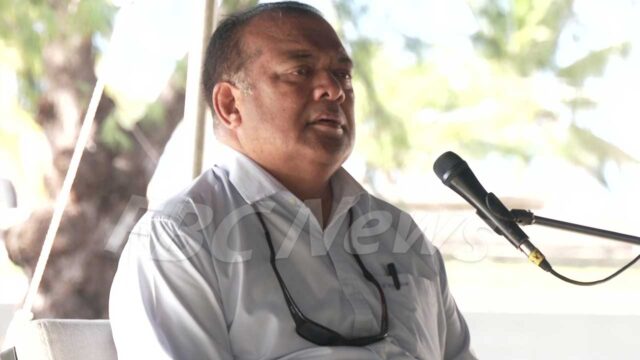
The Consumer Council of Fiji has today questioned why Energy Fiji Limited continues to push for electricity tariff increases despite returning to profit.
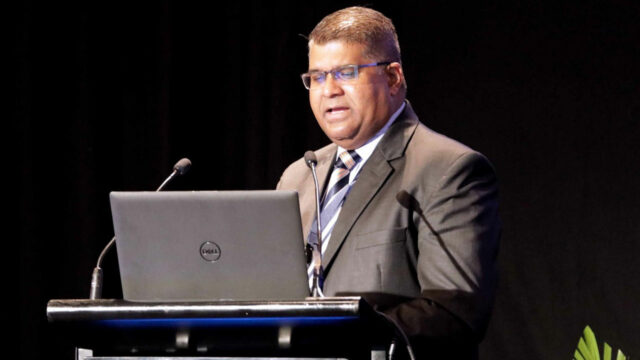
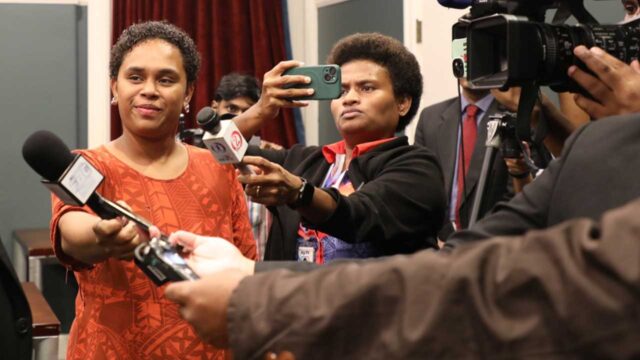
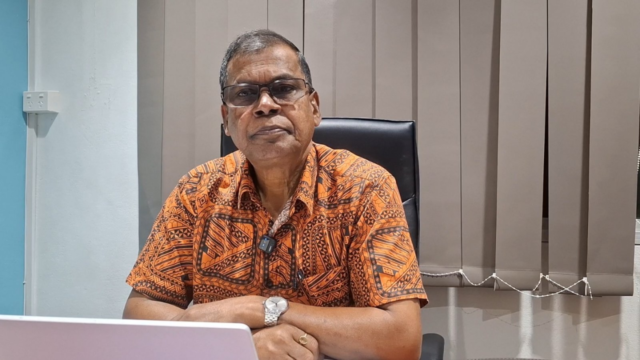
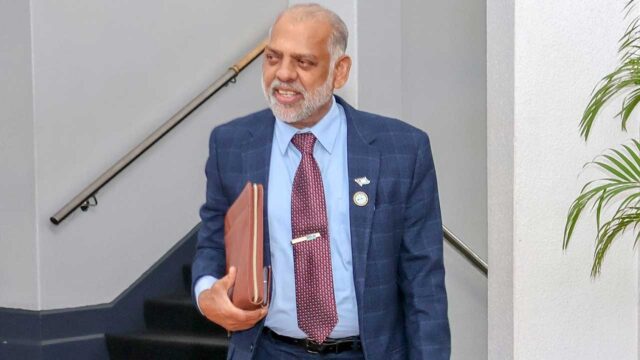
Consumer Council Chief Executive Seema Shandil highlighted this while making submissions before the Standing Committee on Economic Affairs on Energy Fiji Limited 2023-2024 Annual Reports.
Shandil says the Council noted that EFL recorded a loss of $24.8 million in 2023 but reported a profit of $7.17 million in 2024.
She says EFL had sought a 31.7 percent tariff increase in 2023, which was rejected, but continues to indicate the need for higher tariffs.
“In 2024 the report again signals the need for an appropriate tariff increase. So this raises important questions for our collective consideration. Given that EFL’s return to profitability in a significant untapped borrowing capacity, what specific internal cost containment and alternative financing measures have EFL exhausted before seeking tariff increases and how does it justify pursuing customer funded solutions while maintaining substantial headroom, banking headroom.”
Shandil also raised concerns about increasing spending on emergency diesel generation, which rose from $21 million in 2023 to $31 million in 2024.
She says consumers should not be asked to shoulder higher electricity costs without clear evidence that all other options have been exhausted.
The Consumer Council CEO further questioned why some renewable energy assets have remained non-operational for extended periods while consumers continue to face the prospect of higher electricity costs.
She calls on EFL to demonstrate that all available options to improve efficiency and manage costs have been exhausted before any future tariff increases are considered.
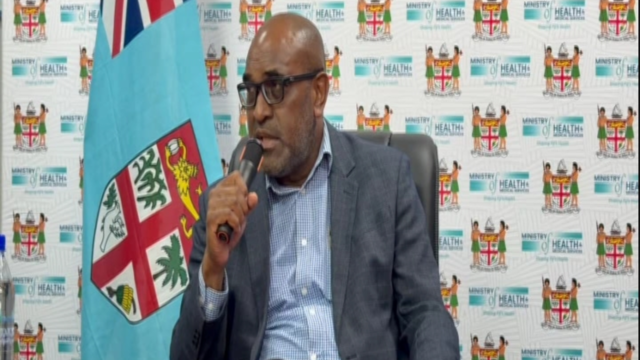
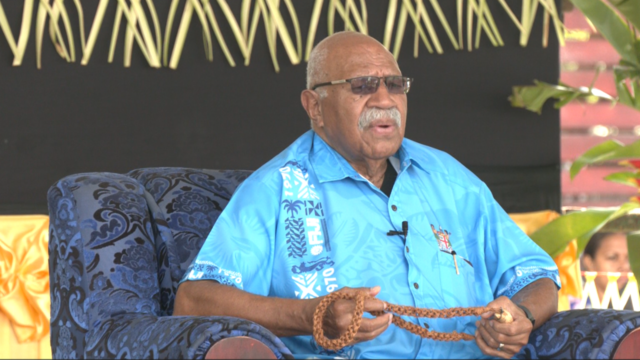
Committee Chair Sakiusa Tubuna echoed these concerns, stating that EFL continues to request tariff increases despite ongoing operational inefficiencies.
Tubuna also highlighted issues, including prolonged downtime of renewable energy assets such as the Butoni Wind Farm and the Nadarivatu hydro scheme, while spending on diesel generation continued to rise.
He says the committee had yet to see significant results from EFL’s capital investments and questioned whether there was enough evidence of improved efficiency to justify higher electricity charges.