 Litia Cava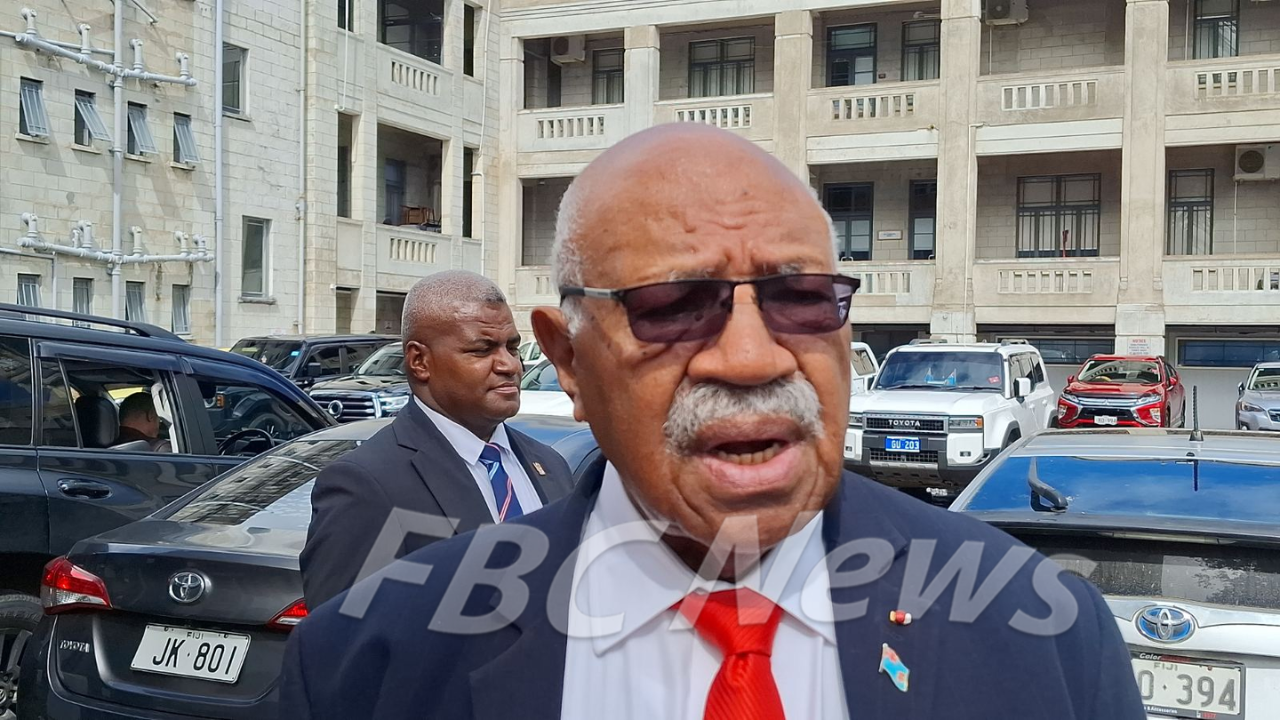
[Photo: FILE]
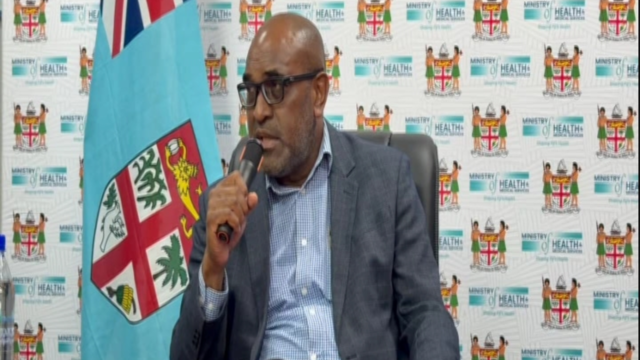
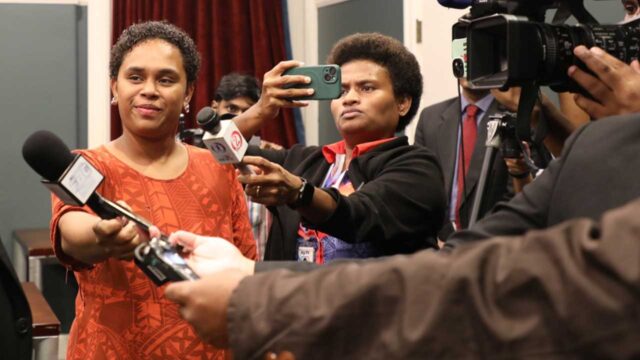
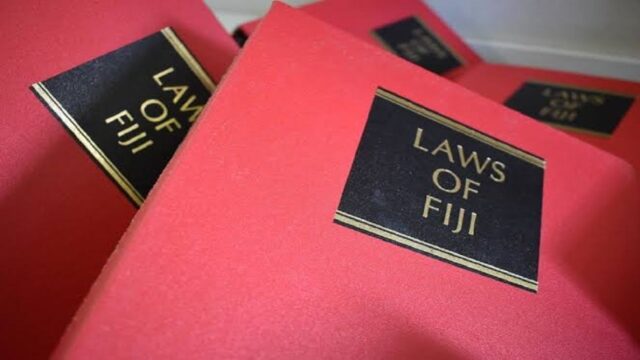
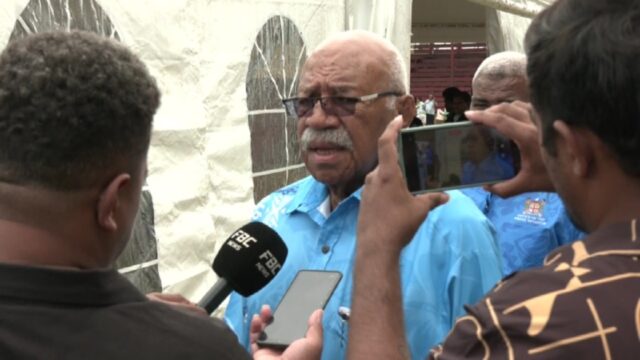
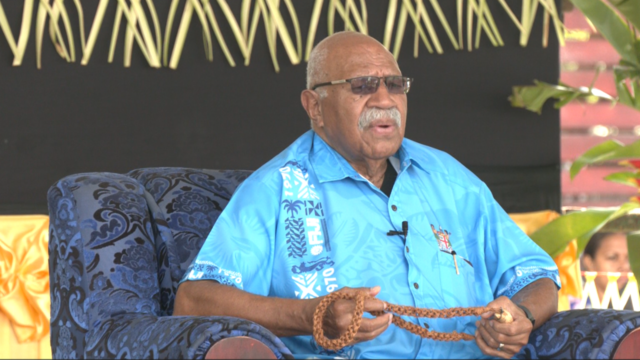
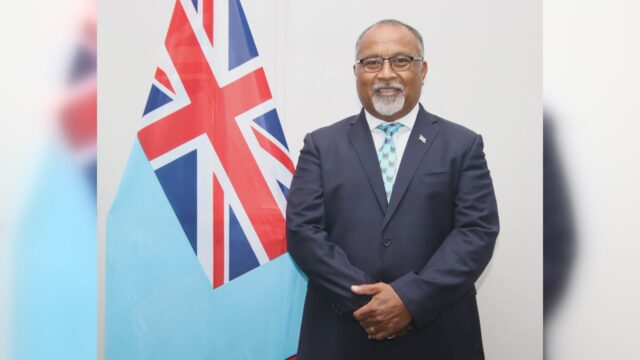
Court decisions on cases linked to Commission of Inquiry recommendations do not determine the credibility of the reports, says Prime Minister Sitiveni Rabuka.
Rabuka states the credibility of COI findings must be assessed through the legal process, with courts deciding whether evidence is strong enough to support prosecution.
“That is where the prosecutors, or the two departments that have prosecutorial powers, the fire tech and the police, take the recommendation. They are commanded to investigate further and prosecute if they find merit in prosecution. In this case, they have prosecuted a few cases that have come to that.”
Rabuka says a Commission of Inquiry does not prosecute cases.
Its role, he states, is to investigate matters, provide findings and make recommendations, which are then referred to agencies with prosecutorial powers.
He says FICAC and police are responsible for reviewing those recommendations, carrying out further investigations and deciding whether charges should be filed.
The comments follow the dismissal of a case against Deputy Prime Minister Manoa Kamikamica, which was based on allegations arising from a COI report. The court found there was no case to answer.
Some COI-related cases, according to Rabuka have ended without convictions because they were either dismissed by the courts or prosecutors determined there was not enough evidence to proceed.
He adds that the legal process remains separate from the Commission of Inquiry, with the courts having the final say on whether a case has been proven.