 Litia Cava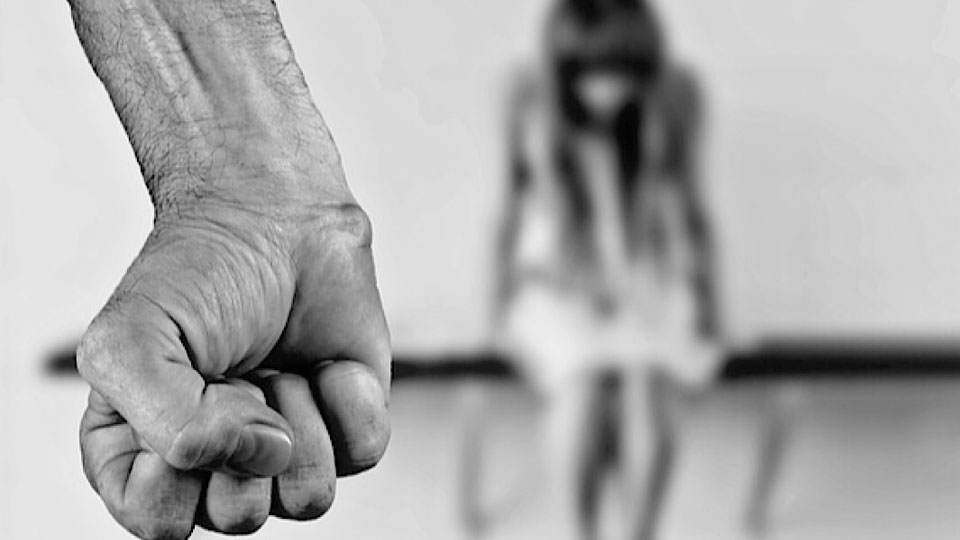
[Photo: FILE]
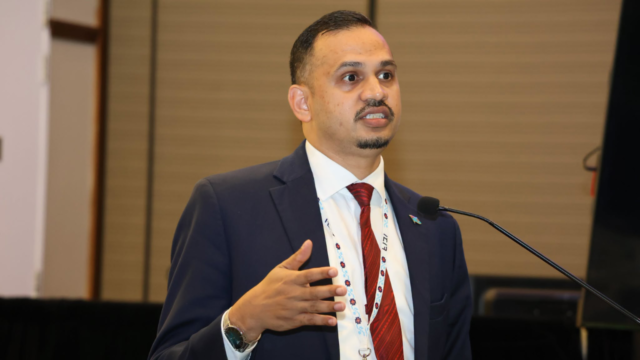
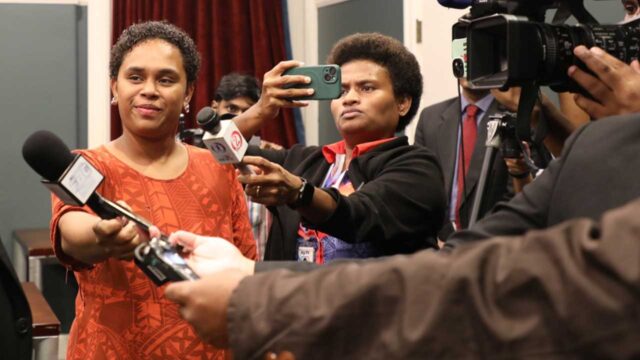
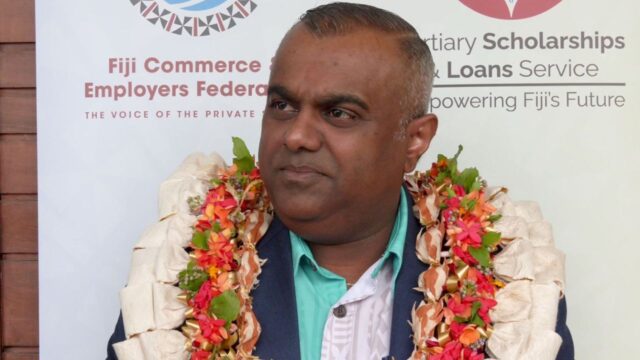
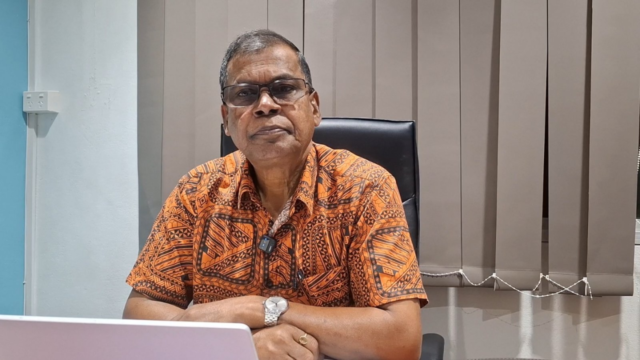
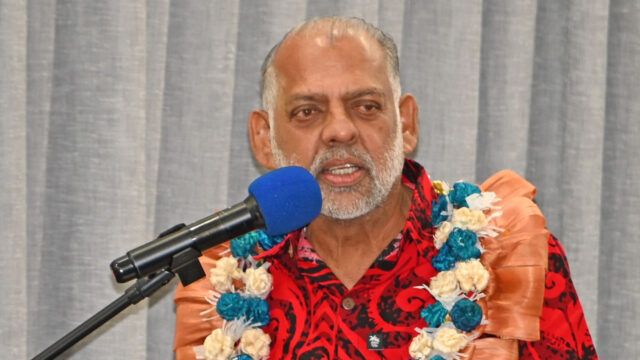
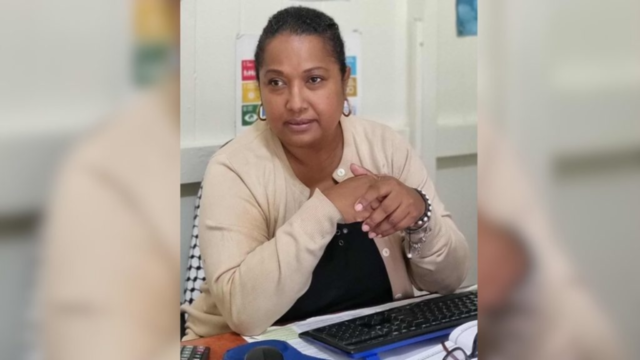
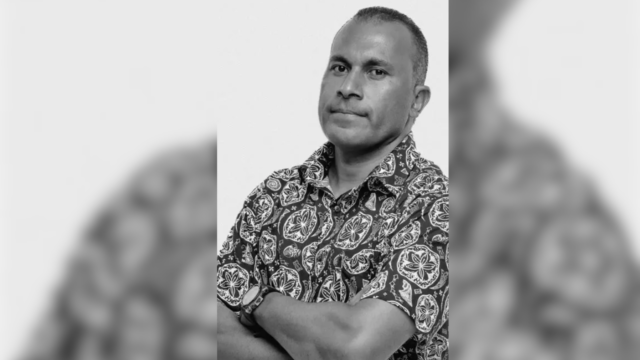
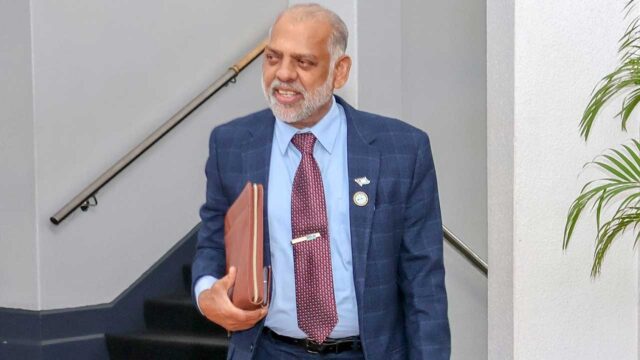
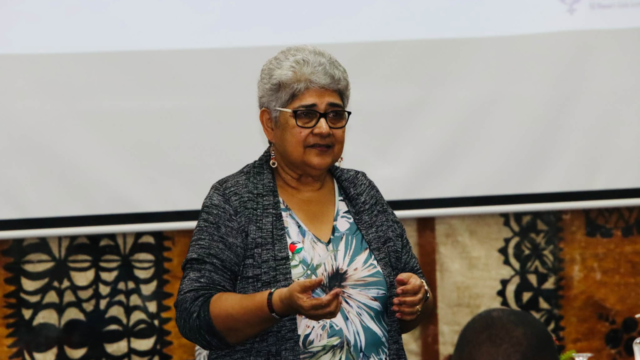
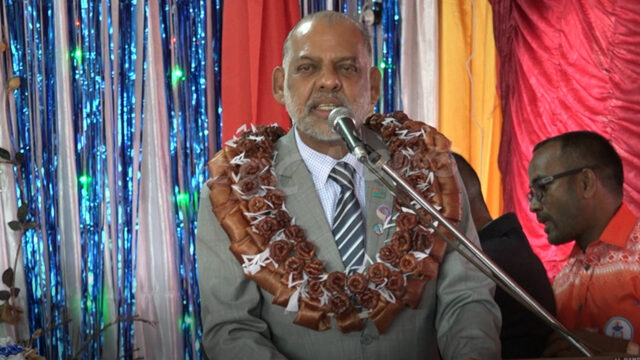
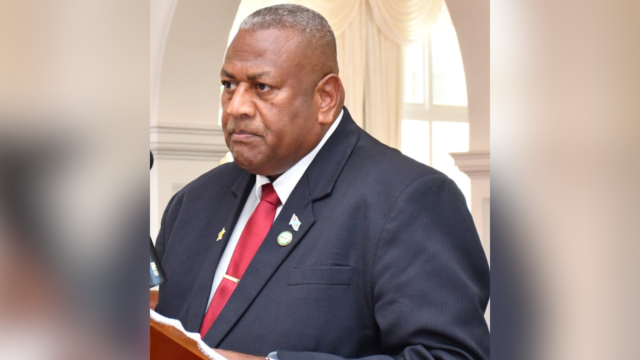
Domestic violence and child protection should be recognised as public health issues under proposed amendments to Fiji’s health laws, says University of Fiji Vice-Chancellor Professor Shaista Shameem.
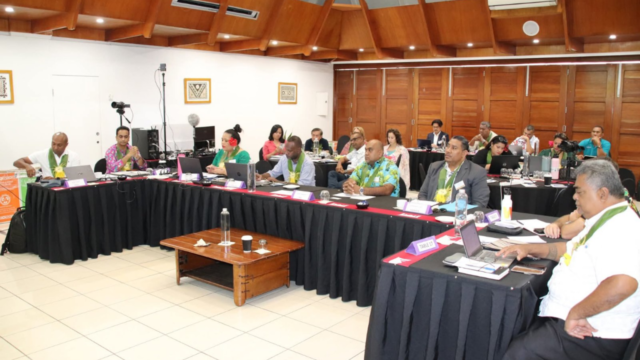
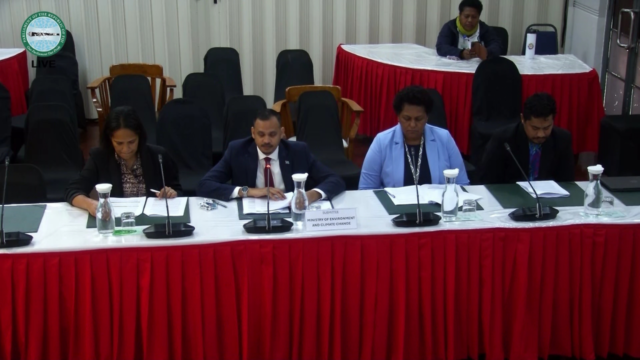
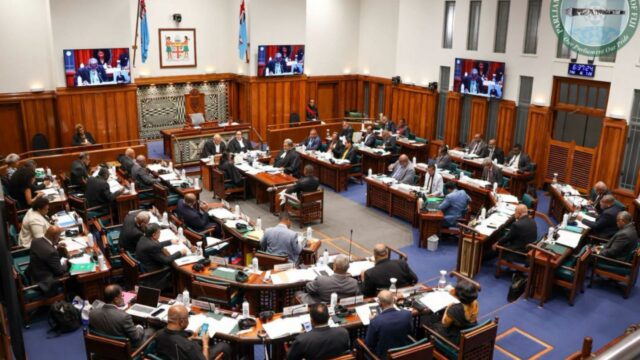
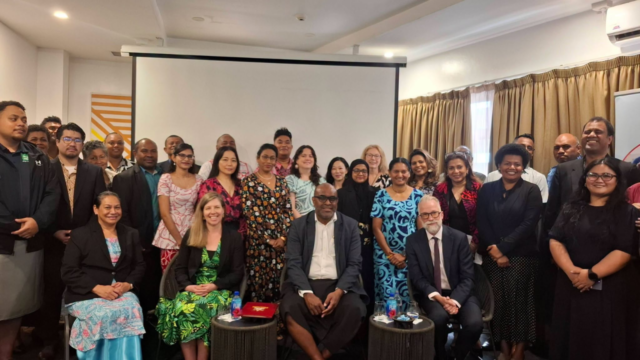
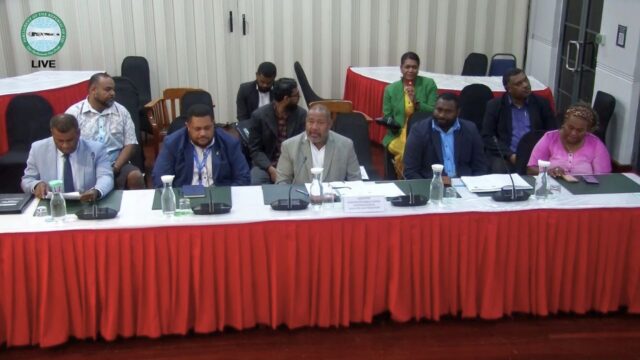
Appearing before the Parliamentary Standing Committee on Social Affairs, Shameem said abuse and child welfare concerns require stronger recognition under the proposed Public Health Amendment Bill.
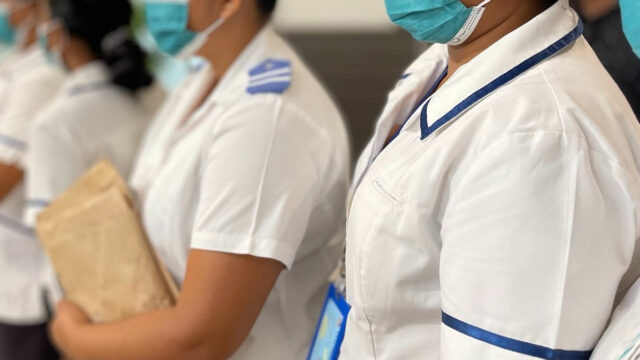
She said health services are often the first point of contact for victims of domestic violence, particularly women who suffer injuries from abuse.
“The rights of the child, but those are public health issues because if you have domestic violence, the first point of call for a person, usually a woman who’s been beaten up, is the health services, not the police. And so we need to be able to include that as a public health.”
Shameem warned that failing to include domestic violence within the public health framework overlooks the serious health, social and economic impacts caused by abuse.
She said the Bill should provide for prevention, early intervention, victim identification, referrals and stronger coordination between agencies.
Shameem also called for children to be placed at the centre of public health protection, highlighting issues such as poverty, poor nutrition, neglect and unsafe environments as factors that can affect children’s long-term health and development.
She said these challenges eventually become wider health concerns for the country and require a coordinated government response.
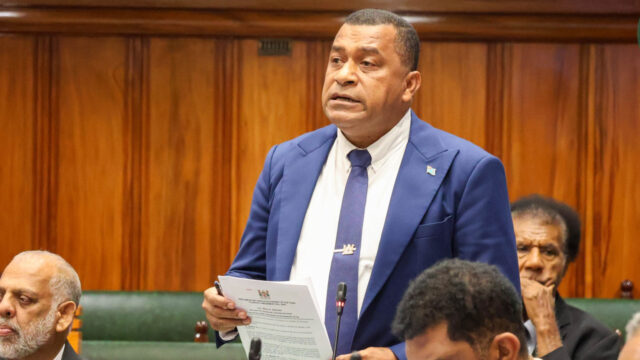
Opposition MP Viam Pillay questioned whether domestic violence and child protection issues were adequately addressed under the Bill.
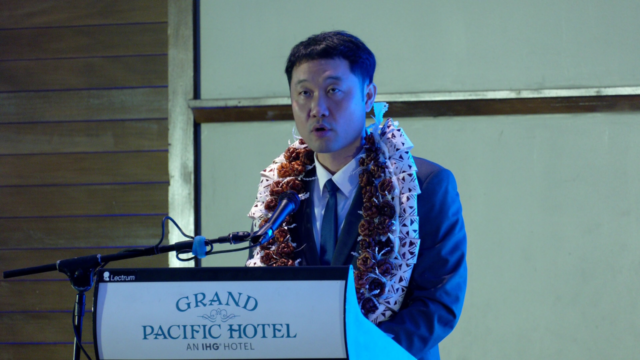
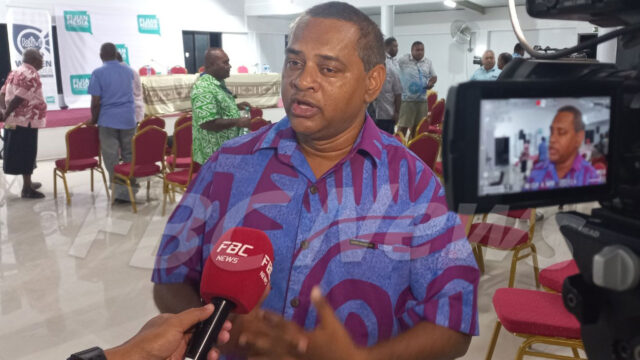
National WASH Coordinator Toga Vosataki said the proposed amendments apply broadly to all citizens and do not specifically separate protections for children.
“And this, without having the mention of children in particular, is something that cuts across the board. Looking at all our fellow citizens in the country, ensuring that we prevent and protect public health.”
Vosataki said existing public health measures in schools, including sanitation, hygiene standards and reducing overcrowding, continue to play a role in protecting children from health risks.