 Josefa Sigavolavola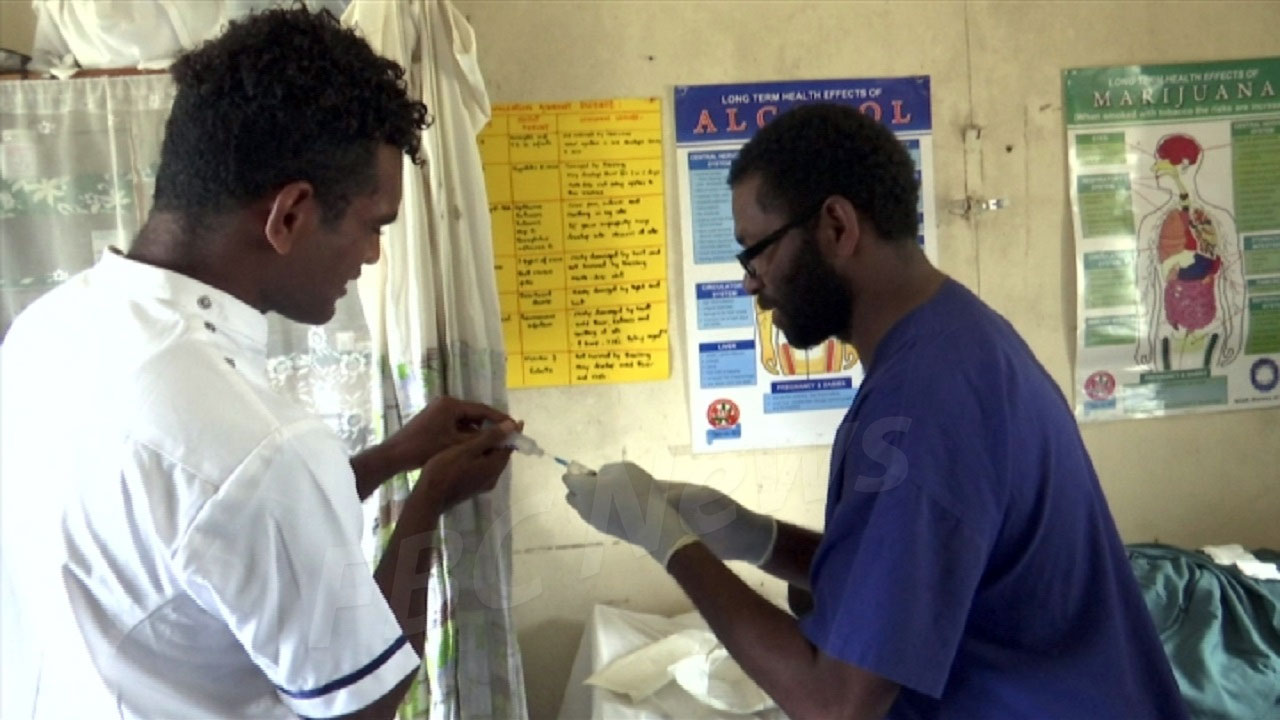
[Photo: FILE]
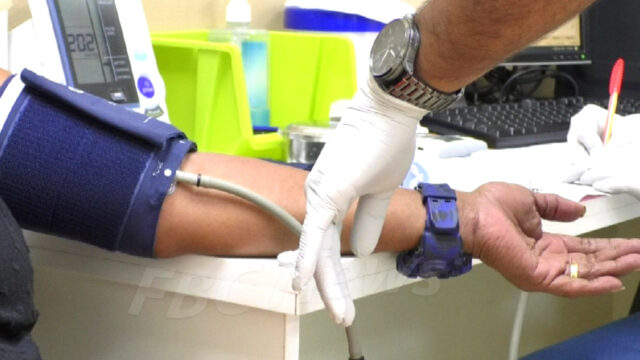
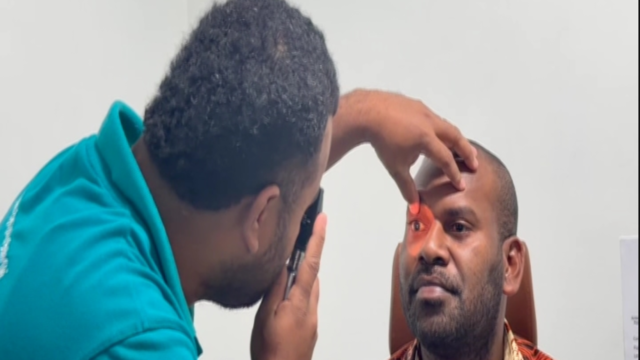
Health workers are calling for improved transport coordination and safety measures when carrying out outreach duties in rural and maritime communities.
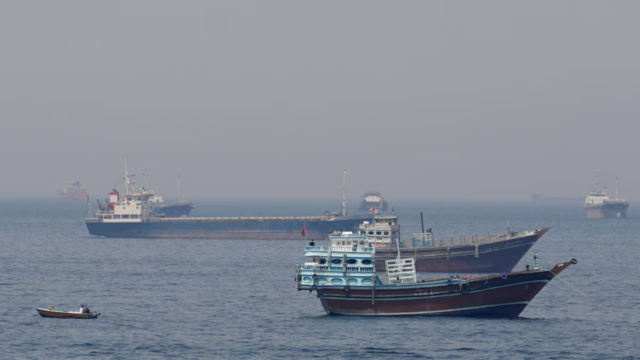
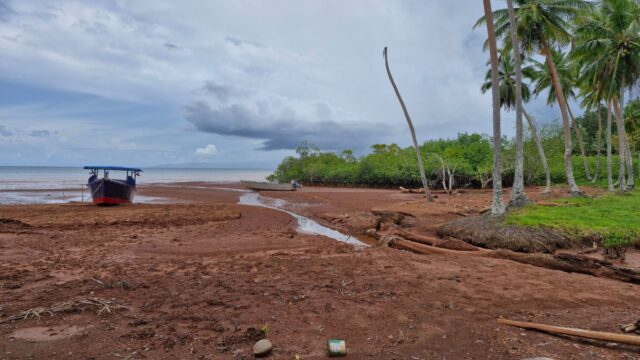
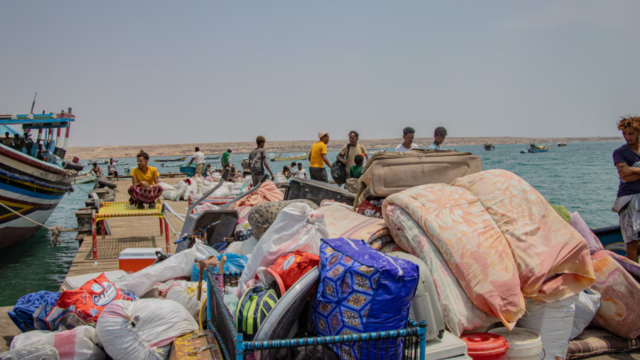
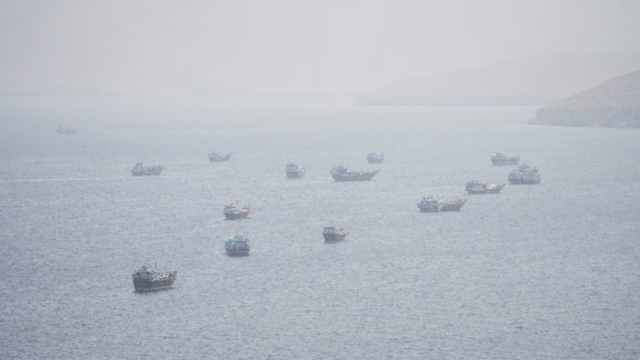
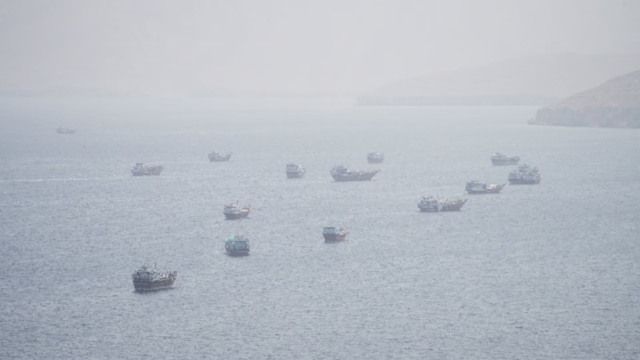
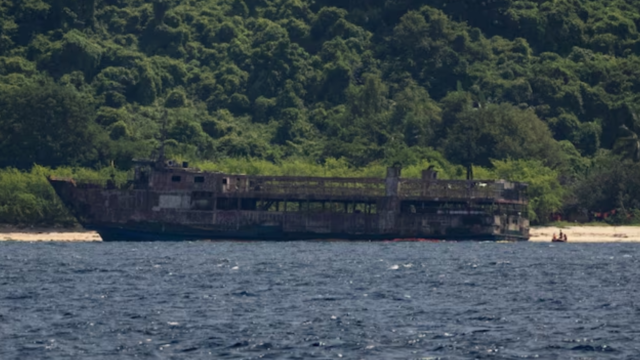
The call follows a recent maritime incident that nearly claimed the lives of six medical professionals travelling for an outreach deployment.
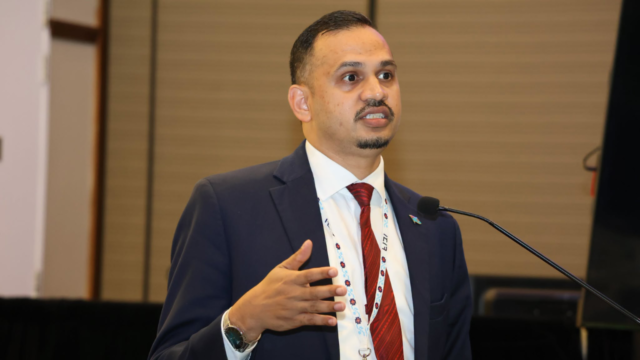
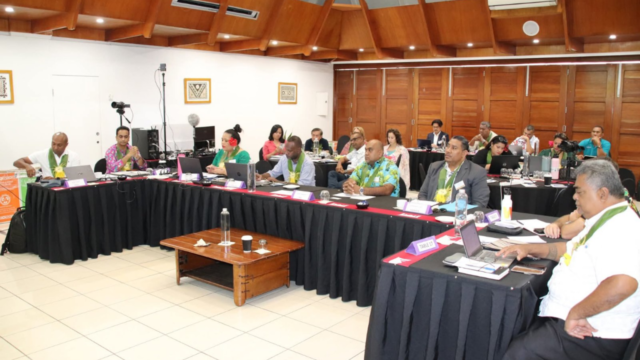
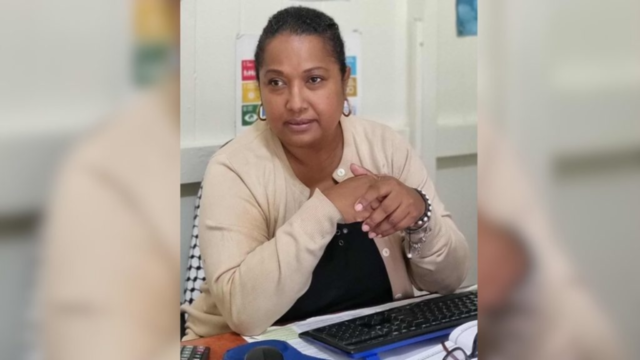
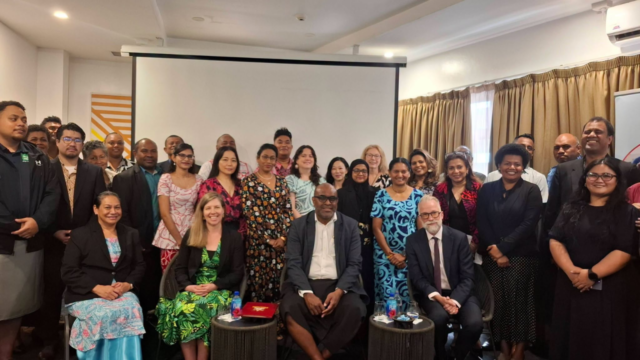
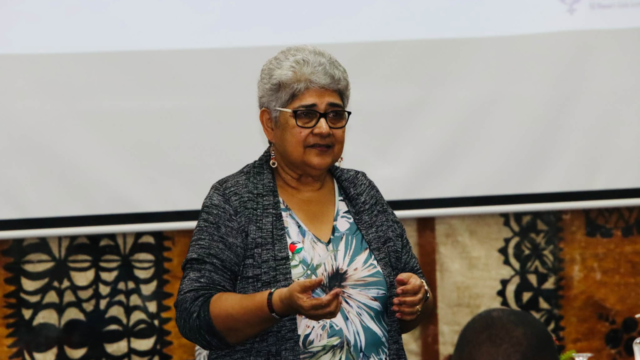
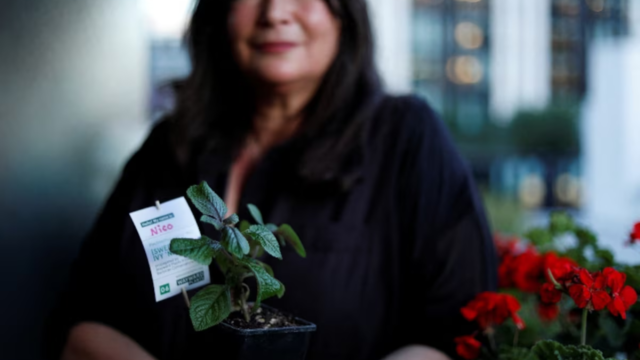
Speaking during a discussion on health worker safety, Assistant Lecturer at the School of Dentistry and Oral Health, Kaitlyn Khan, says those providing essential services in remote areas deserve better support.
Khan says the incident was personal, as she nearly lost a colleague and former classmate during the deployment.
“They need help, and it’s hard for healthcare workers to go out and reach those people, but even for patients to come to the main health centres, so how can we support them.”
She says transport safety during outreach programmes is often overlooked, with limited resources affecting both service delivery and the wellbeing of health workers.
“I think that each maritime region needs a dedicated medical boat or a properly vetted medical boat that meets the standards of safety.”
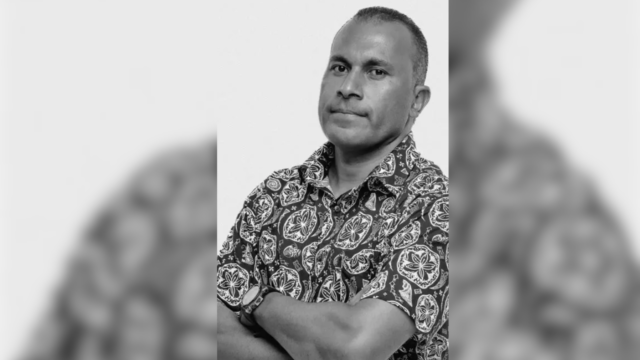
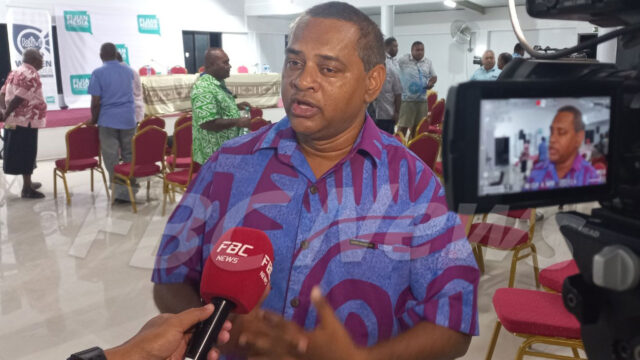
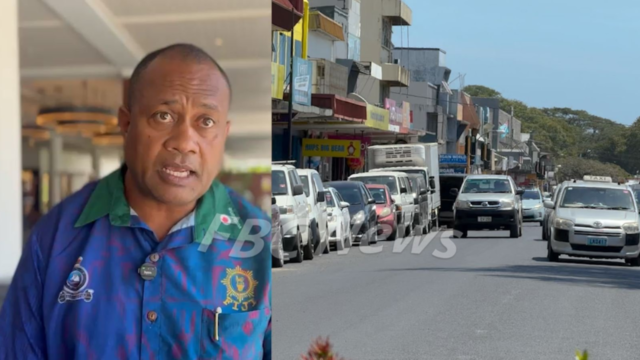
Assistant Minister for Health Penioni Ravunawa acknowledged the challenges faced by healthcare providers, saying workers often prioritise patients and communities while neglecting their own safety.
“Like it’s mentioned in the discussions, we as healthcare providers always want to serve, put our people first, our patients first, our community first, and we forget to look after ourselves as well. But from the Ministry’s perspective, the overarching legislation that covers our health workers is that if you are engaged in any official duty, you are covered by OHS and also ACCF.”
The concerns highlight the need for stronger safety protocols, reliable transport systems, and appropriate equipment for health workers serving in isolated communities.