 Mollyn Nakabea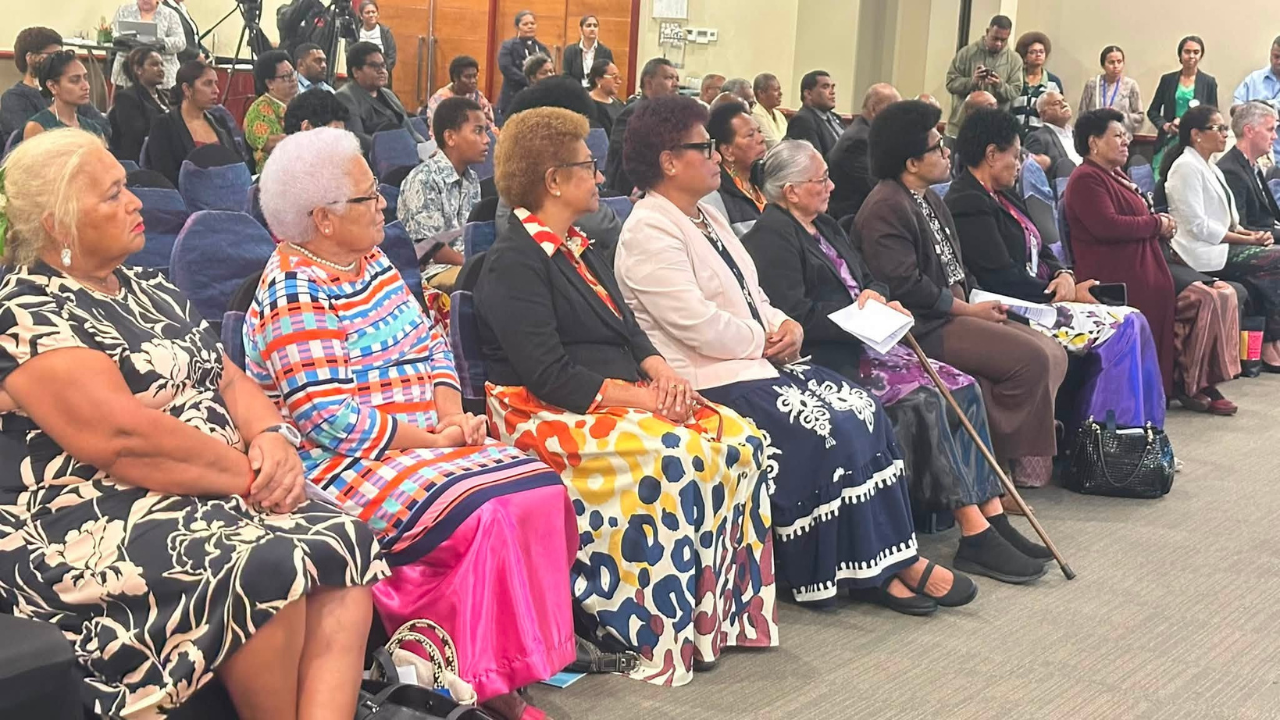
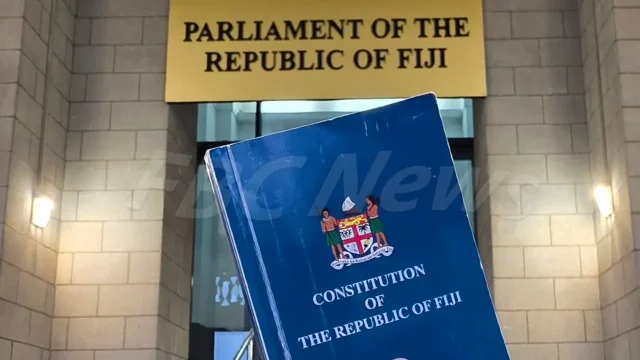
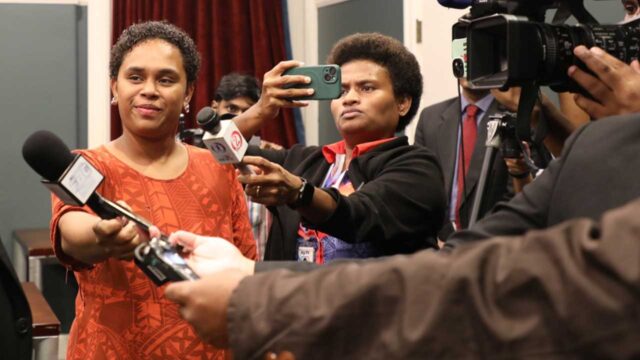
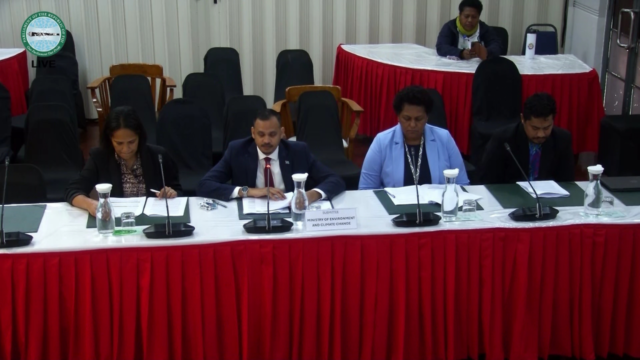
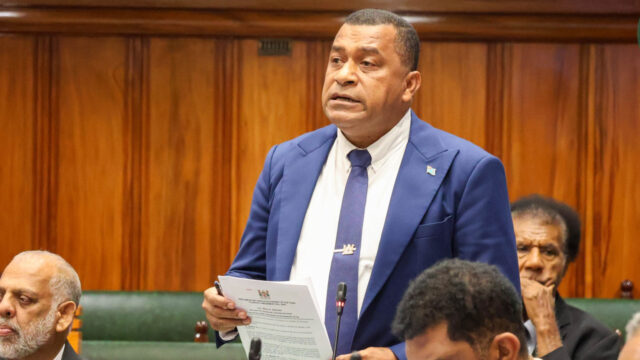
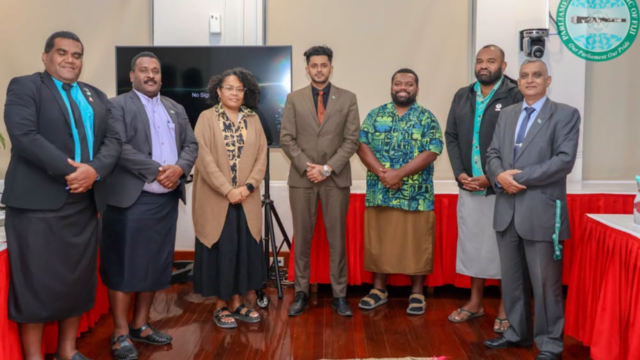
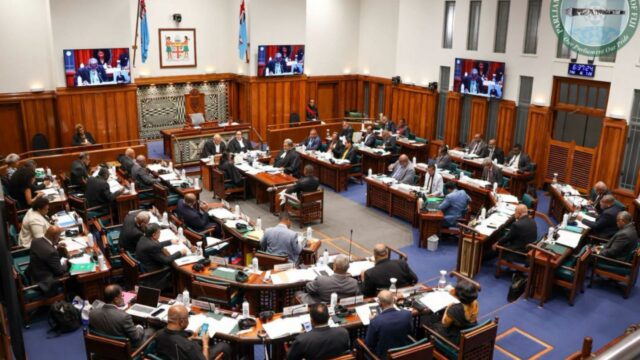
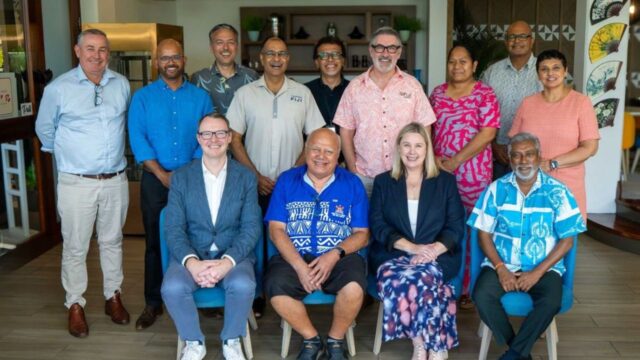
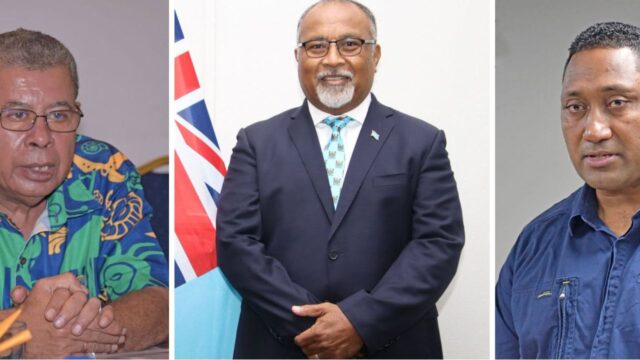
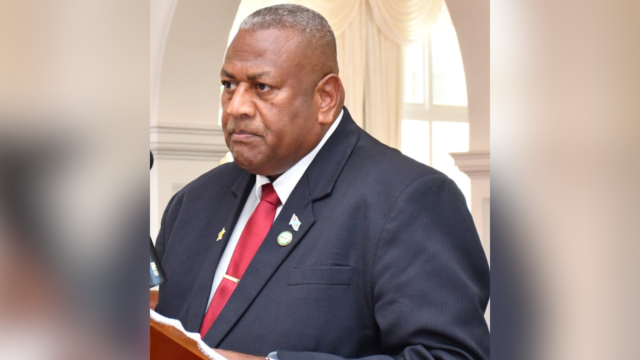
[Photo: PARLIAMENT OF THE REPUBLIC OF FIJI/FACEBOOK PAGE]
Calls are growing for stronger reforms to increase women’s representation in Fiji’s Parliament.
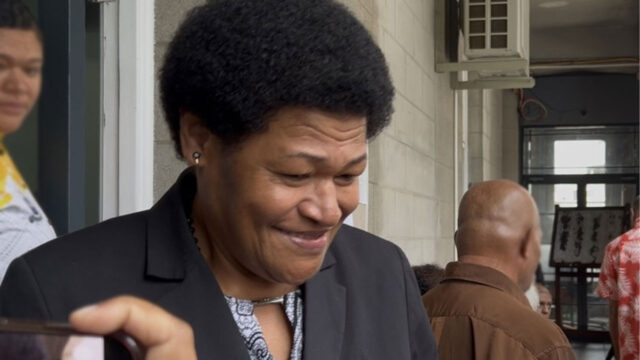
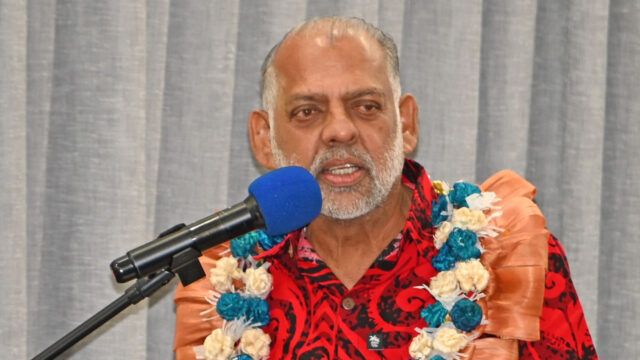
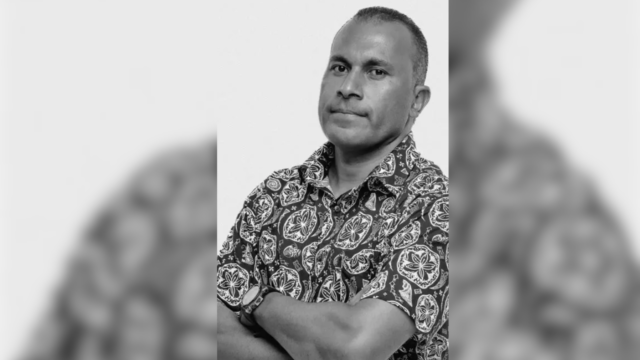
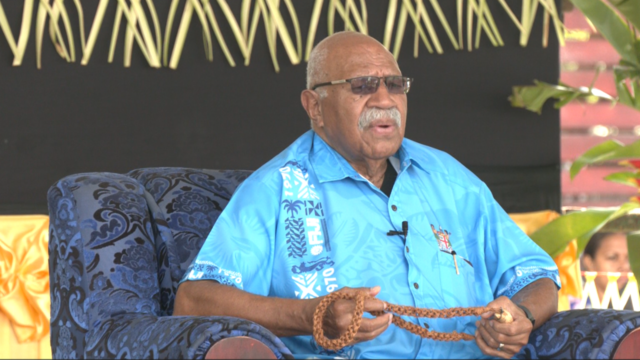
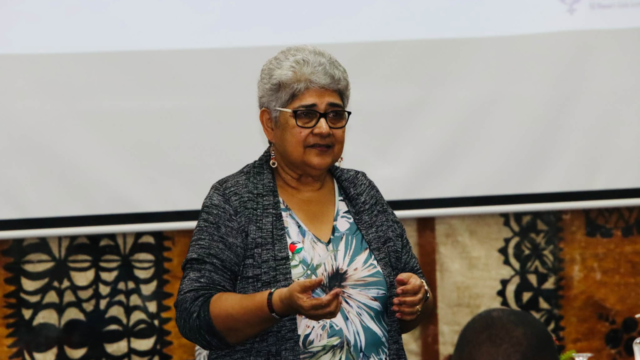
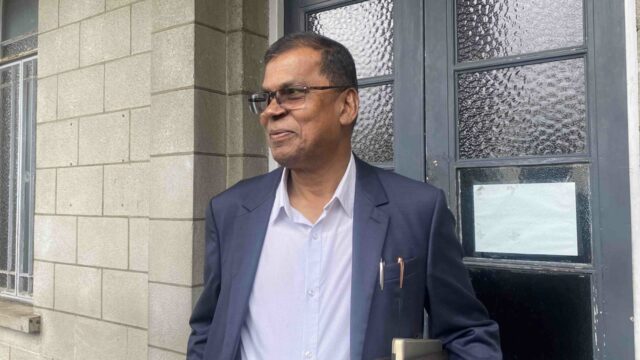
Former MP Salote Radrodro says Fiji must consider stronger legislative and political measures if it is serious about bringing more women into politics.
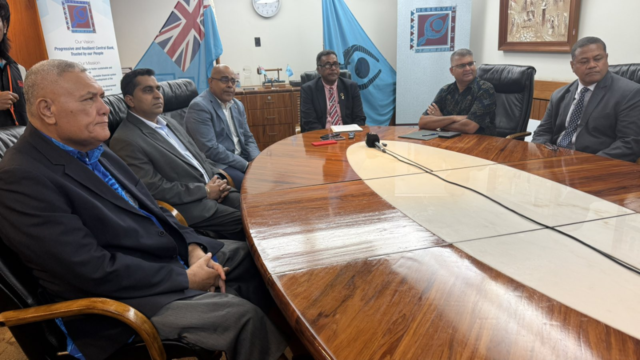
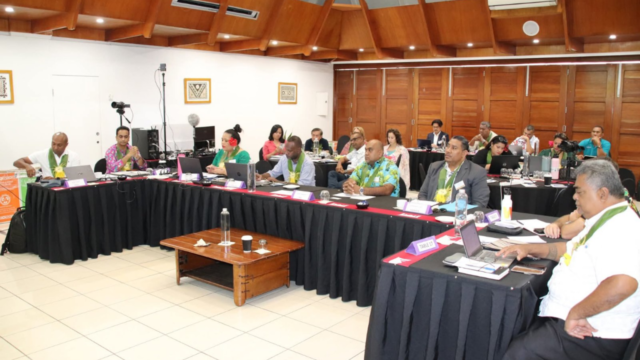
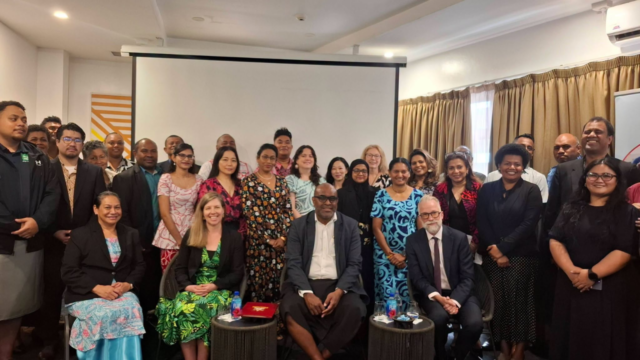
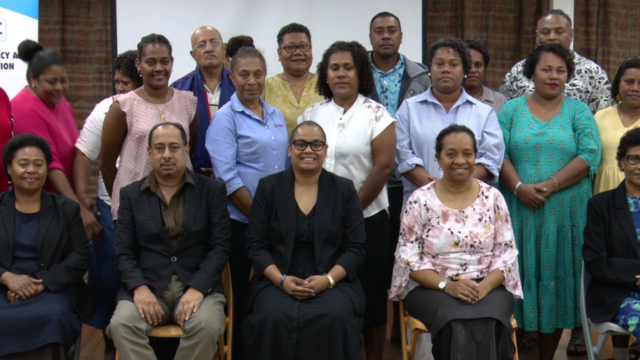
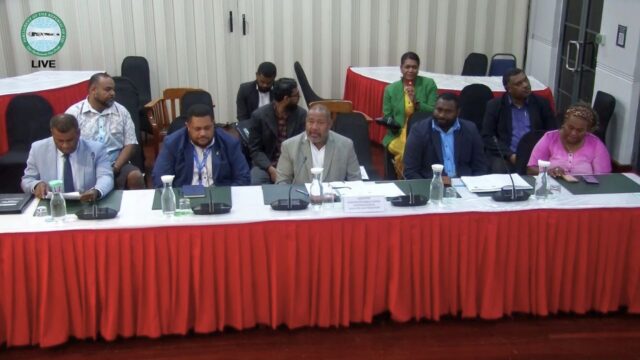
Speaking during a panel discussion on encouraging women’s participation in Parliament, Radrodro questioned whether current efforts to support women in politics are producing the desired results.
She says while more women are joining political parties, the challenge remains getting them elected.
“I look at the current political parties that are coming up now with their manifestos and even previous elections, more women are joining political parties. But the issue here is how many women get into politics?”
Radrodro says Fiji must seriously consider stronger measures, including temporary special measures, to improve women’s representation in Parliament.
“It is something that Fiji really needs to look at seriously if we are serious in improving our women members in Parliament. Right now the SDG goal that we are trying to achieve is 30 percent. But according to the foreword from the Honourable Speaker, we are as low as 9.1 percent. So the gap is about 20.9 percent.”
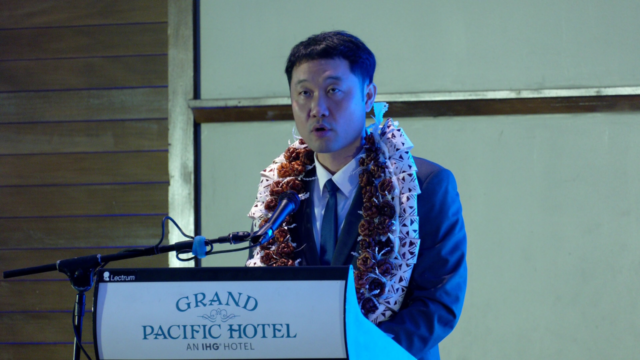
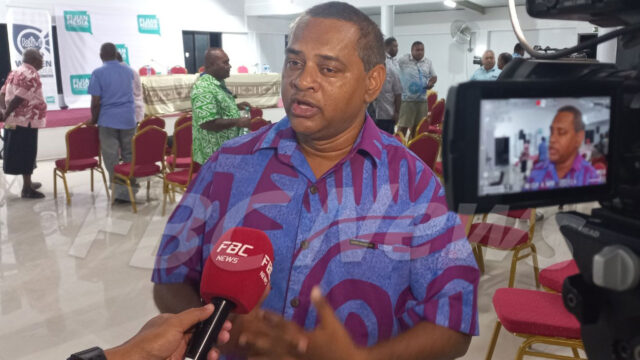
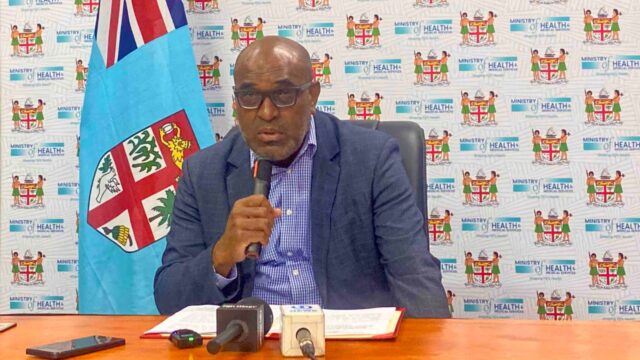
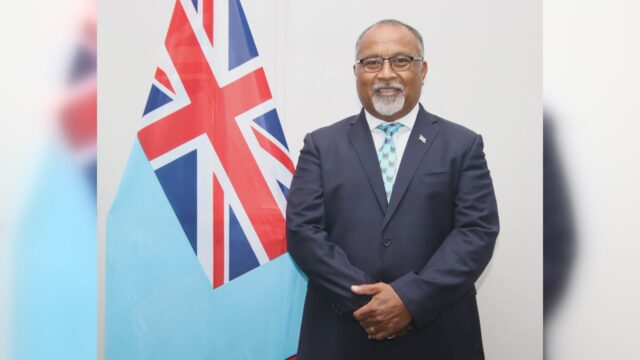
Speaker of Parliament Filimone Jitoko says political parties have an important role to play in identifying, supporting and investing in female candidates.
He says parties should also help address financial barriers that often discourage women from contesting elections.
“I’m sure if, in fact, it’s been identified to be one of the candidates for any political party, the political parties themselves should address the issue of financing in terms of assisting the lady candidate to fall forward to stage one or stage two of the candidacy.”
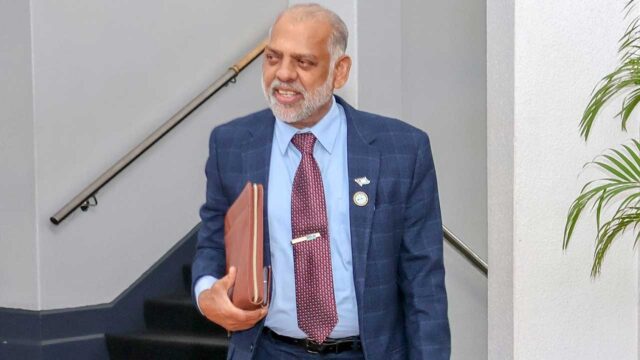
Opposition member Premila Kumar says research conducted during her time as Education Minister found many qualified women were hesitant to pursue leadership roles because of family responsibilities and concerns about job security.
She says similar challenges exist for women entering politics.
“I believe it’s all about setting targets by the institutions, and in particular, the political parties. How many women candidates can they fill? And if it’s an equal number for every political party, I guess that can be a little push. But mentoring is equally important, where women sometimes feel that they need a little bit more knowledge or a little bit more experience.”
Kumar says while women now make up a larger share of university graduates, this progress is yet to be reflected in Parliament.