 Litia Cava
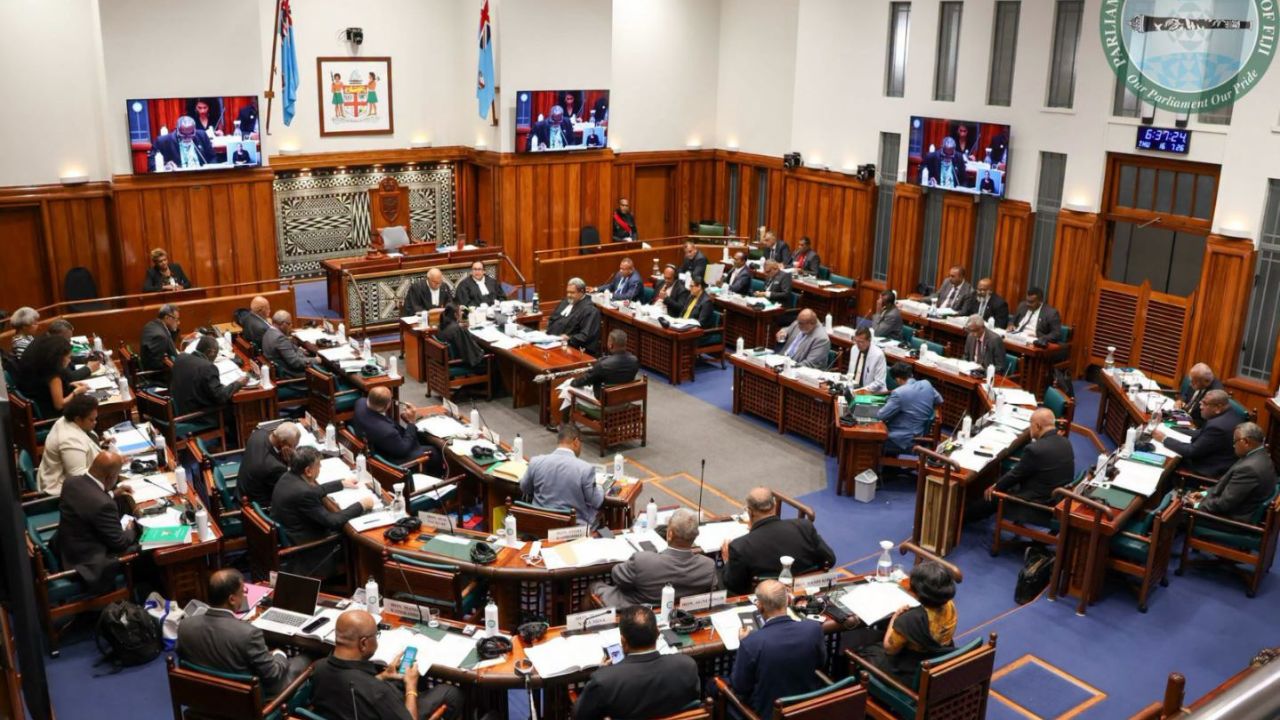
Political candidates will now have 30 days instead of 60 to submit their financial disclosures.
The amendment cuts the reporting period in half.
The change is intended to bring financial reporting requirements into line with other disclosure obligations under the Political Parties Registration, Conduct, Funding and Disclosures Act 2013.
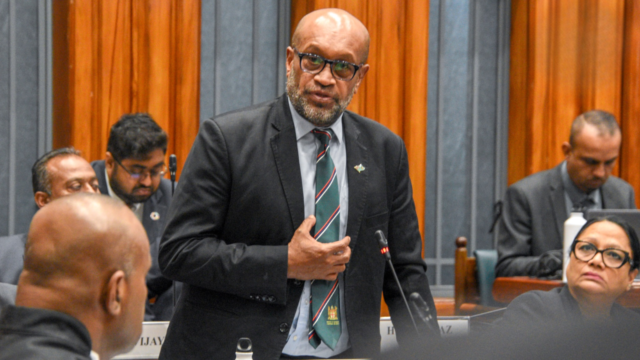
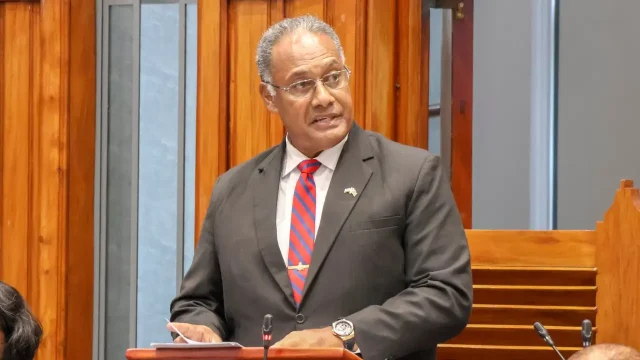
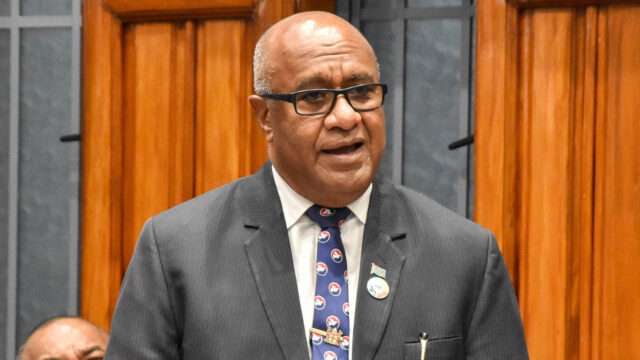
Minister for Lands and Mineral Resources Filimoni Vosarogo states the shorter timeframe is aimed at ensuring information about those seeking public office is made available sooner.
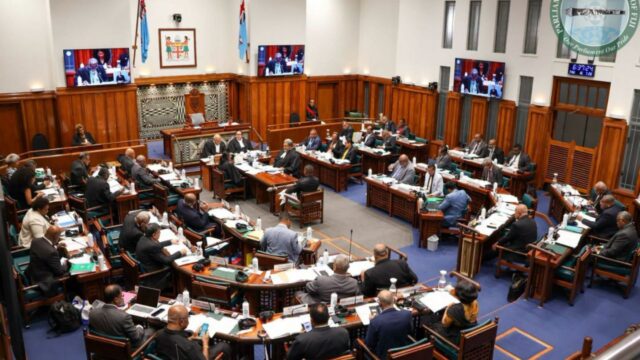
He told Parliament that voters are entitled to timely information about political parties and candidates, arguing that delayed transparency can undermine accountability.
The amendment is part of a wider revision of how electoral offences are classified and dealt with under the law.
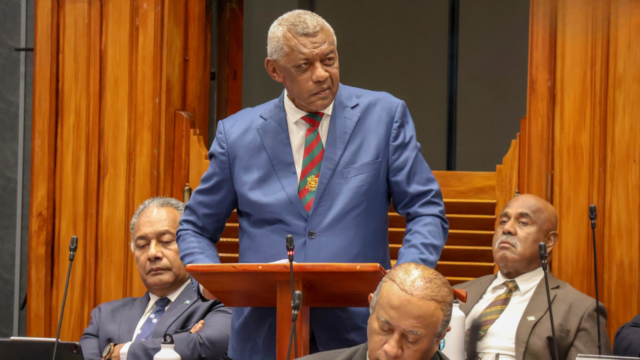
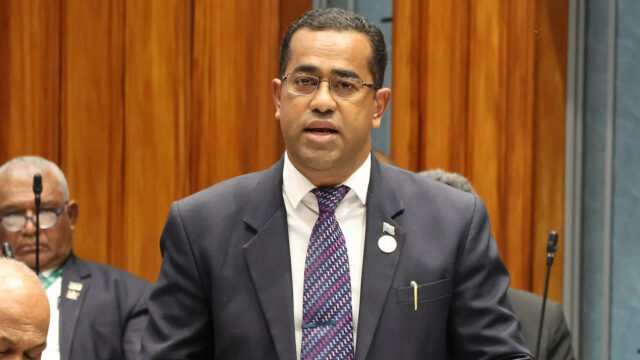
Attorney-General Sevuloni Valenitabua said the changes remove an obsolete provision and organise electoral offences according to the seriousness of the conduct involved.
Under the revised framework, dishonest conduct is classified as a corrupt electoral practice, while breaches of compliance requirements are classified as illegal electoral practices.
The intention is to distinguish between conduct involving corruption and offences involving failure to comply with electoral requirements, rather than treating all breaches under one broad classification.
The changes,Valenitabua says strengthen accountability mechanisms for political parties and candidates.
The amendments also address voter eligibility, with the Electoral Registration of Voters Amendment No. 2 Bill aligning the requirements under the legislation directly with Section 55 of the Constitution.
The amendment, according to Valenitabua does not introduce new constitutional qualifications for voters. Instead, it ensures the voter registration legislation reflects the eligibility requirements already established by the
Constitution.
This is intended to provide one consistent reference point when determining who qualifies to register.
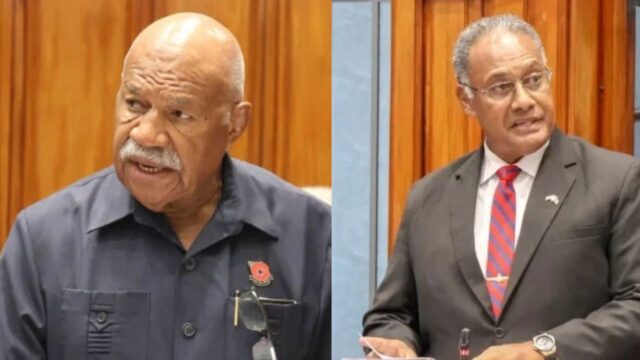
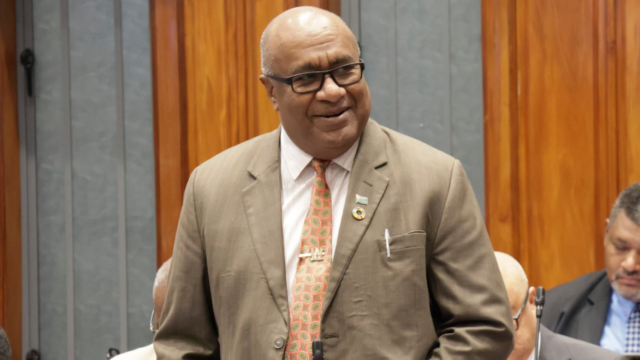
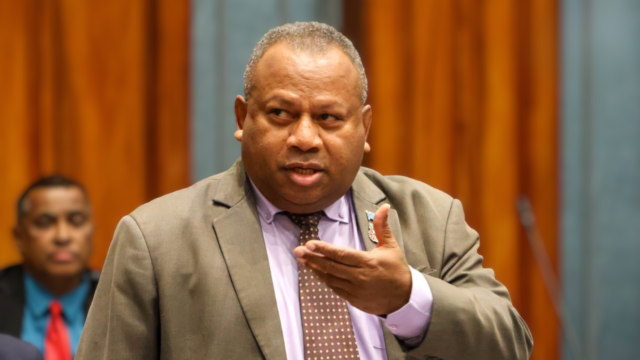
Opposition MP Jone Usamate supports the change, saying consistency across electoral legislation is important, particularly when voter lists are used for both elections and referendums.
The three amendments were defended by the Attorney-General as necessary to bring the different electoral laws into line with one another and strengthen compliance with international electoral standards.
He referred to Article 25 of the International Covenant on Civil and Political Rights, the Venice Commission’s Code of Good Practice in Electoral Matters and the United Nations Convention Against Corruption.
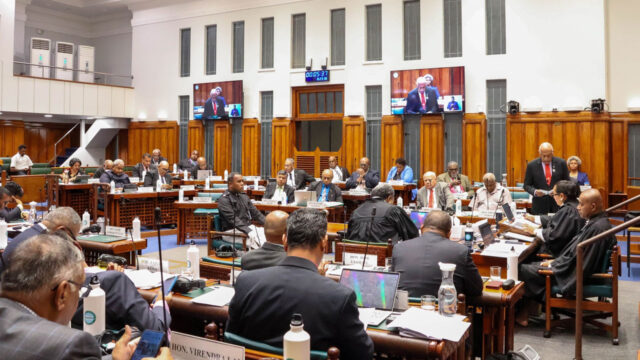
The bills were passed unanimously by Parliament.