 Nikhil Aiyush Kumar
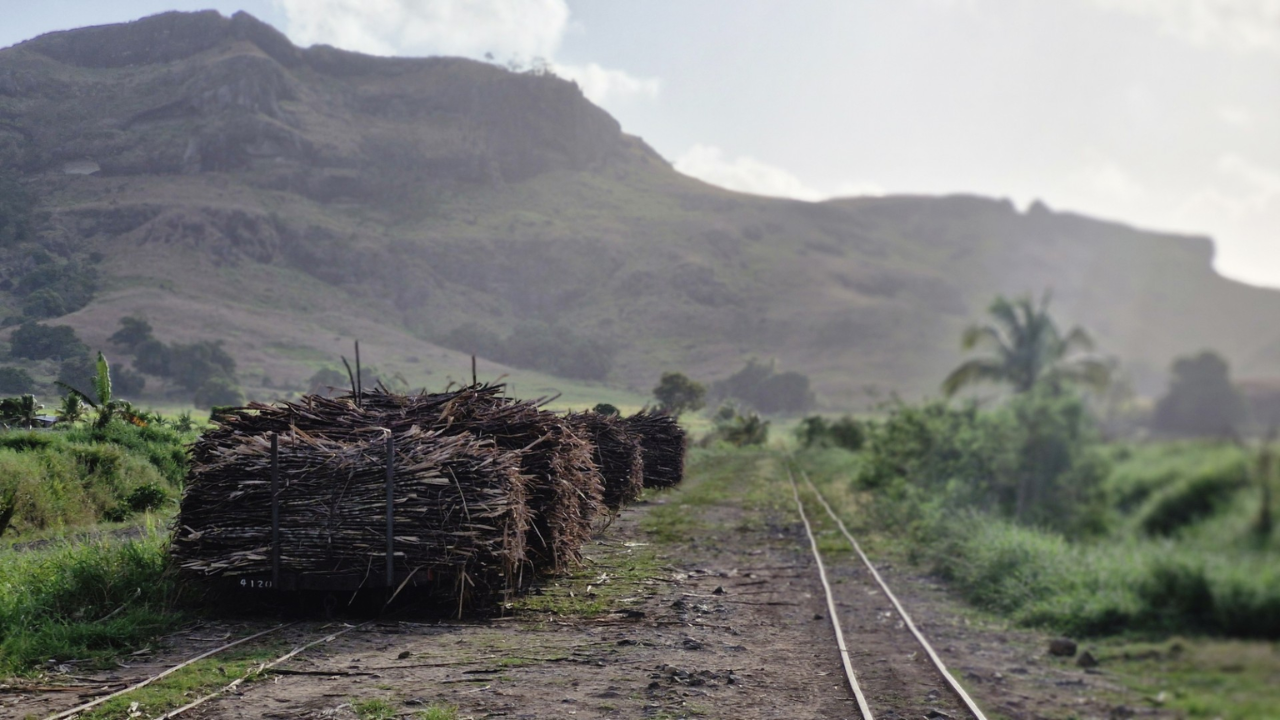
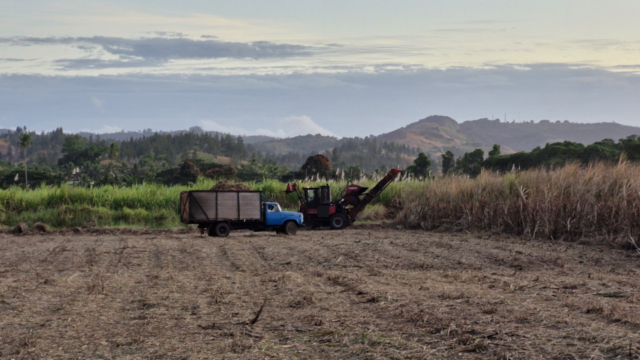
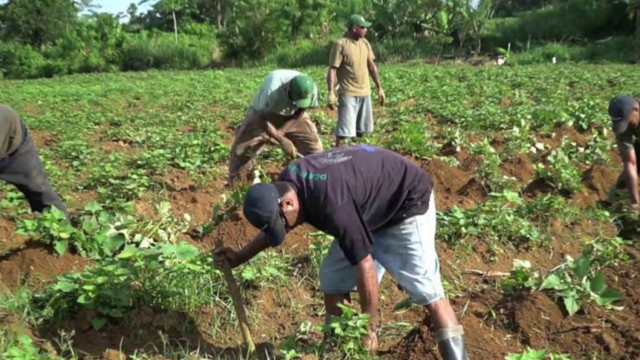
The sugar industry still relies heavily on government subsidies, with cane production failing to grow consistently despite millions of dollars in annual assistance.
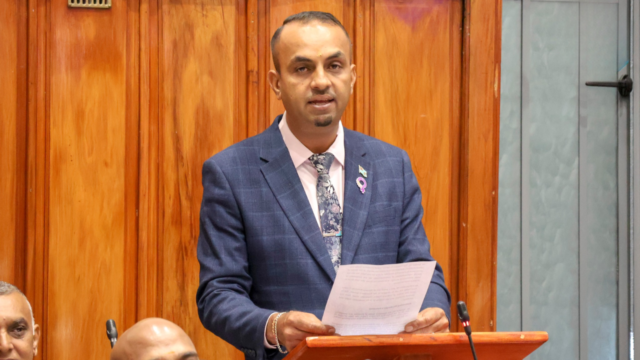
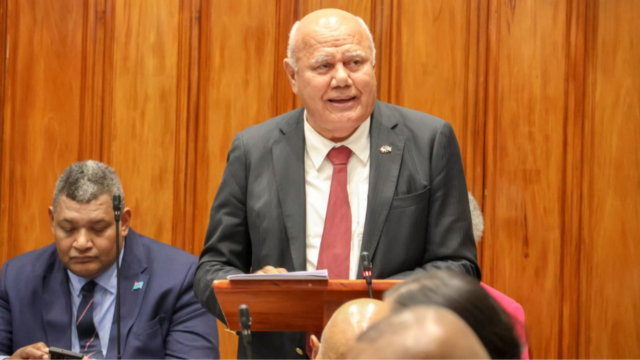
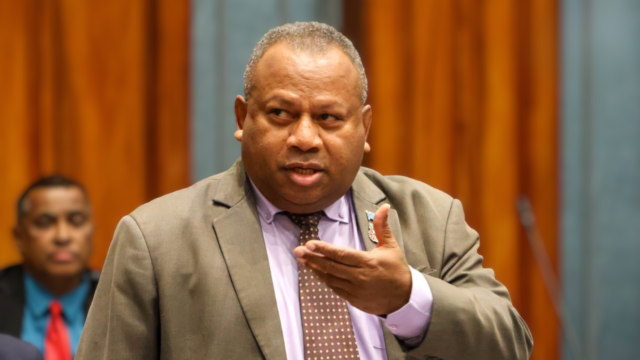
Prime Minister Sitiveni Rabuka says the industry cannot depend on government funding indefinitely and must become more productive and commercially viable.
He says improving productivity, commercial performance and profitability is essential to reducing the sector’s dependence on public funding.
Government has allocated $96.3 million to the sugar industry in the 2026–2027 National Budget, up from $72.2 million in the previous financial year.
“While these interventions demonstrate Government commitment, subsidies cannot remain the permanent foundation of the industry. Our priority must be to strengthen productivity, improve commercial performance and progressively reduce dependence on Government assistance. Our position is clear – protect our growers, rebuild the industry’s productive capacity and transform sugar into a modern, commercially sustainable and diversified shed sector.”
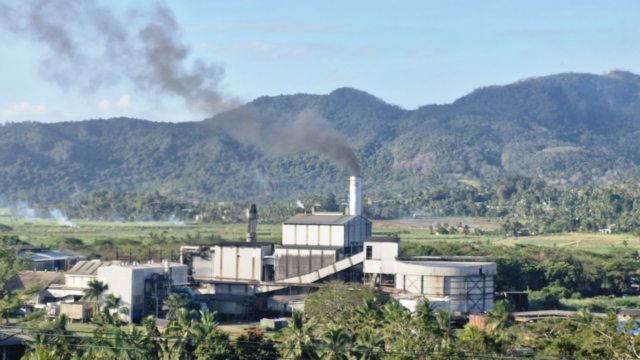
Rabuka acknowledges that frequent mill breakdowns, labour shortages, rising production costs and uncertainty over land tenure continue to affect the industry.
“Financial assistance alone will not secure the industry’s future. Together, we must improve productivity, modernize our mills, strengthen governance, and create new opportunities through diversification and value addition. Mr. Speaker, our objective is not simply to preserve the sugar industry in its current form; it is to rebuild its productive capacity, restore its commercial viability and transform it into a modern, diversified and competitive industry that delivers sustainable returns to growers, workers and the people of Fiji.”
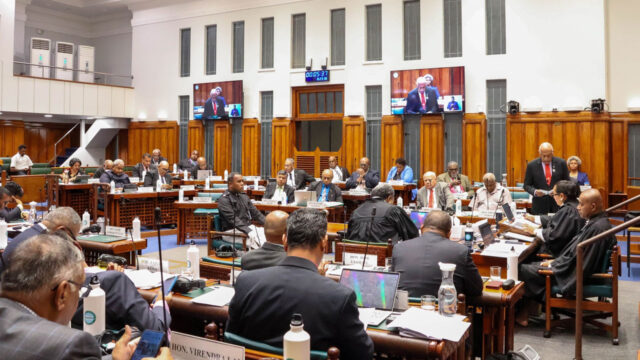
Despite the financial assistance, Opposition Leader Inia Seruiratu says cane production figures continue to raise concerns.
“Just today, the Honourable Minister for Agriculture, Sugar and Water Waste presented a report on production, and the production figures keep going down despite all the assistance and efforts to improve the industry. 2020 production was around 1.7 million, Honourable Speaker, Sir. 2021 was about 1.4 million. 2022 rose to 1.6 but then got again to 1.5 in 2023. 2024 was about 1.3 and 2025 was about 1.4.”
The Prime Minister says modernizing mills, strengthening governance and expanding into value-added products are necessary to restore the industry’s commercial viability.