 Litia Cava

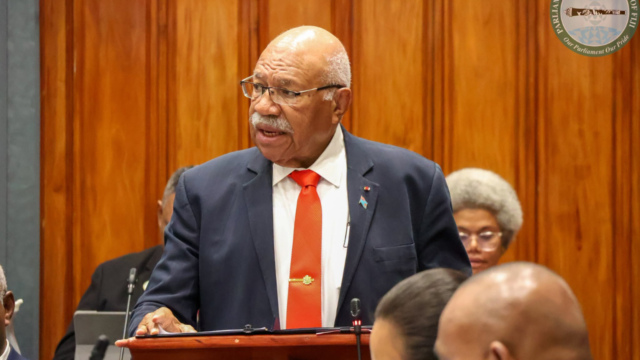
[Photo: FILE]
The 1944 bankruptcy law is being replaced with new measures to help financially distressed entrepreneurs recover.
The legislation introduces pathways for debt restructuring and financial rehabilitation, giving honest debtors a second chance to rebuild.
The Personal Insolvency, Financial Rehabilitation and Entrepreneurial Rescue Bill 2025 introduces debt rehabilitation and restructuring options aimed at helping honest debtors recover rather than face the lasting consequences of bankruptcy.
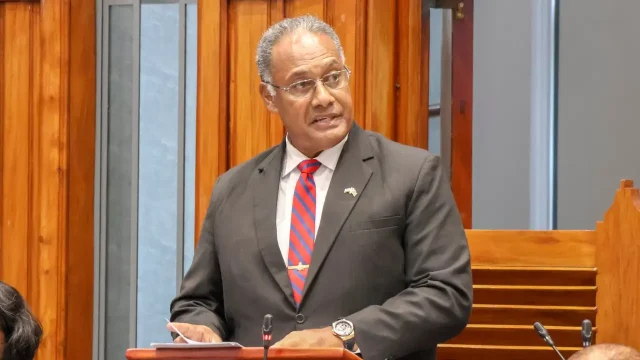
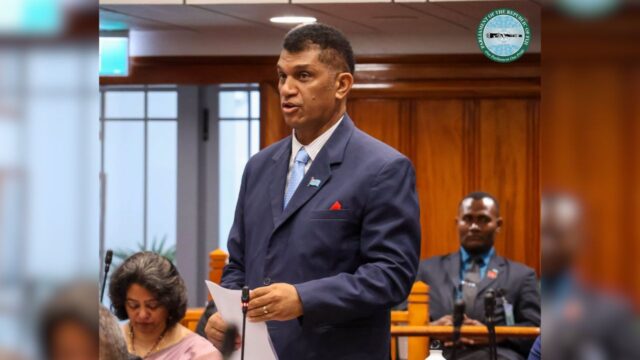
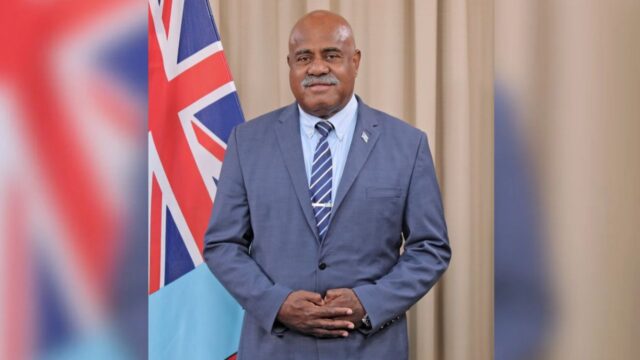
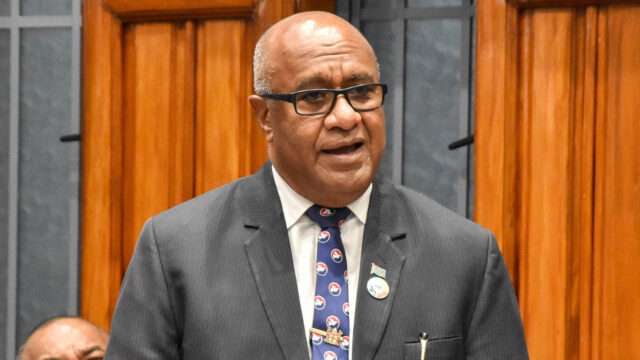
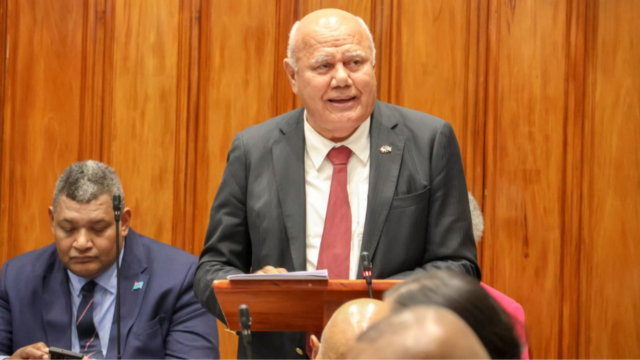
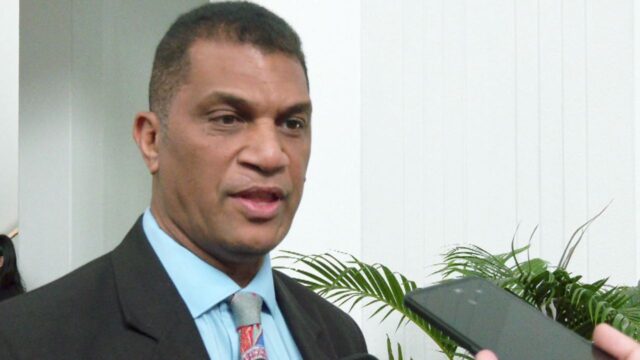
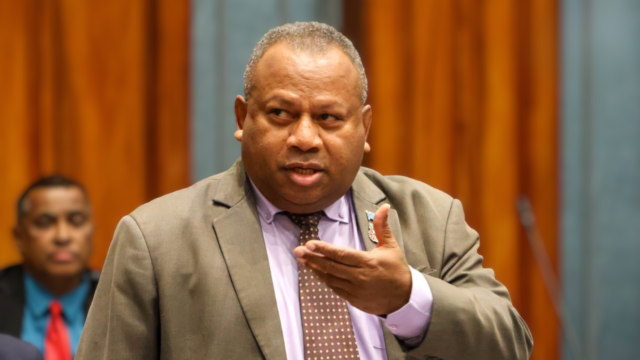
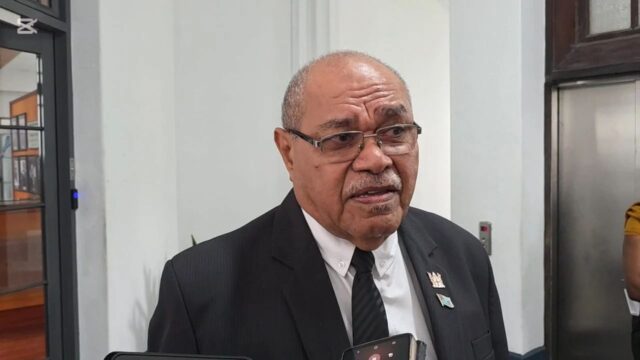
Minister for Lands and Mineral Resources Filimoni Vosarogo states the legislation is designed to remove the barriers that have traditionally prevented people from recovering financially after business failure.
He says the existing Bankruptcy Act 1944 makes it difficult for individuals to regain their financial footing, leaving limited opportunities to restart businesses or pursue new ventures.
Vosarogo says the new framework adopts a fresh-start principle, allowing eligible debtors who meet the requirements of the insolvency process to have their debts discharged and return to economic productivity.
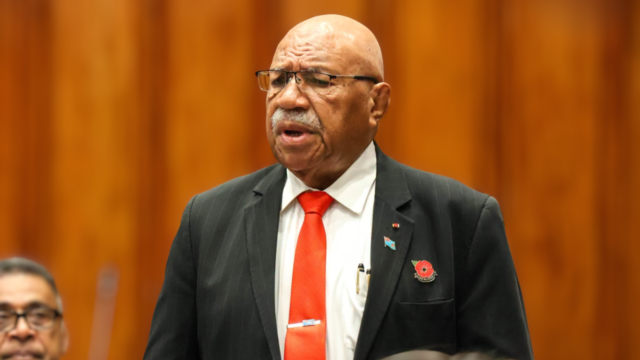
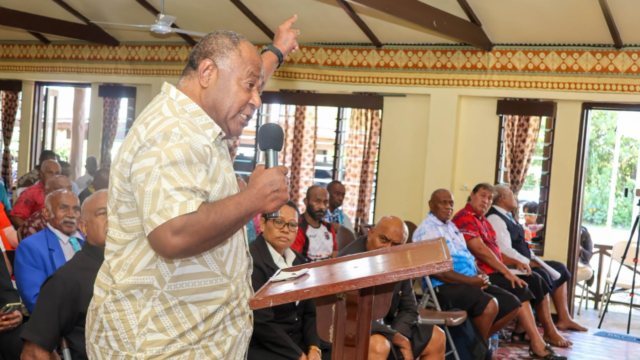
Deputy Prime Minister and Tourism Minister Viliame Gavoka has backed the reform, arguing that Fiji has lost potentially viable businesses because the existing legal framework does not adequately support enterprises facing financial difficulties.
Drawing on his experience in business, Gavoka says companies with sound products and potential should not automatically be dismantled when they encounter financial hardship.
He cited international examples, including Chrysler Corporation in the United States, which received government-backed assistance during its financial crisis and subsequently recovered.
Gavoka says business failure can also provide valuable experience, allowing entrepreneurs to learn from previous mistakes and make better decisions when given another opportunity.
He believes the legislation could encourage more Fijians to remain in business during difficult economic periods instead of abandoning their ventures because of mounting financial liabilities.
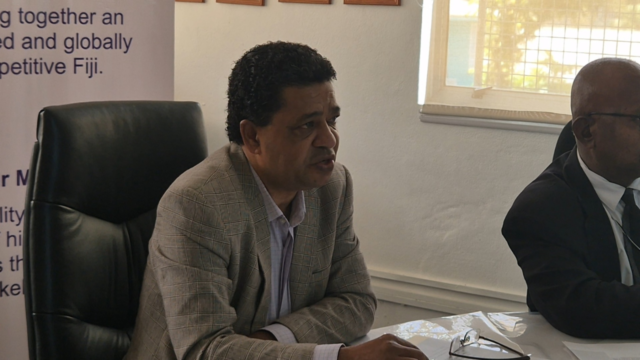
Deputy Prime Minister and Minister for Trade Manoa Kamikamica says the reform is particularly important for micro, small and medium enterprises, which contribute to employment, household incomes, local production and economic activity.
He describes MSMEs as the heartbeat of Fiji’s economy, arguing that economic development requires laws that support businesses not only when they succeed, but also when they encounter financial difficulties.
Vosarogo adds that the legislation provides regulated pathways for entrepreneurs to restart, rebrand or move into different business activities after financial failure.
The Bill applies to personal insolvency rather than company insolvency.
However, owners of unincorporated businesses and partnerships may access its provisions where their business liabilities fall within the personal insolvency framework.
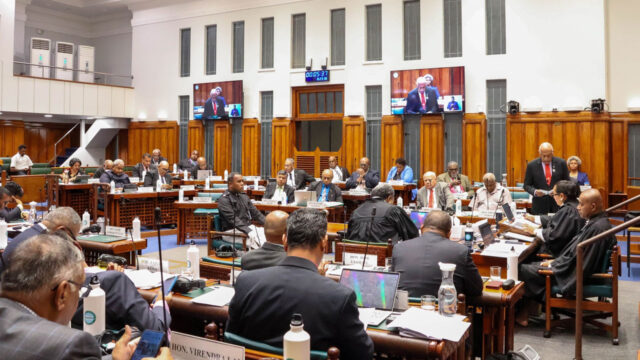
Parliament has passed the Bill.