 Litia Cava

Electoral laws are being tightened, with changes to voter registration, electoral offences and financial disclosure requirements.
The changes are contained in three amendment bills passed unanimously by Parliament, with the government saying they will improve transparency and strengthen public confidence in
the electoral process ahead of the next General Election.
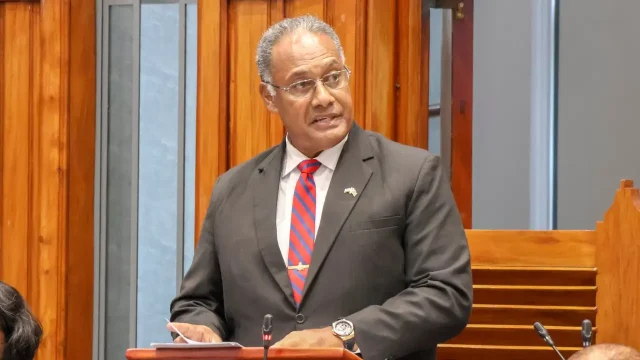
Attorney-General Sevuloni Valenitabua points out that the amendments are intended to bring Fiji’s electoral laws into alignment with the Constitution and ensure that the different
pieces of legislation operate as one consistent framework.
A major change concerns voter eligibility.
The Electoral Registration of Voters Amendment Bill aligns the eligibility provisions in the legislation directly with Section 55 of the Constitution.
Valenitabua says this establishes one clear standard for determining who qualifies to register as a voter.
He stresses that the amendment does not change constitutional qualifications but ensures that the legislation reflects the requirements already established under the Constitution.
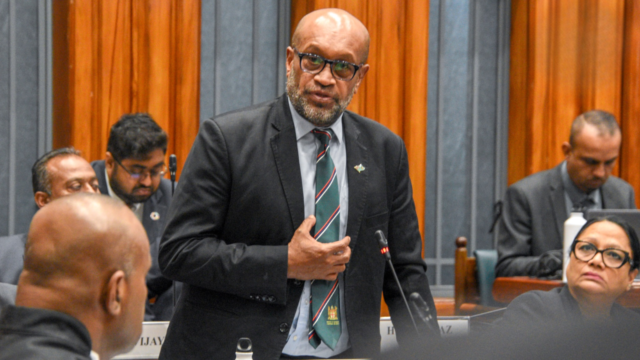
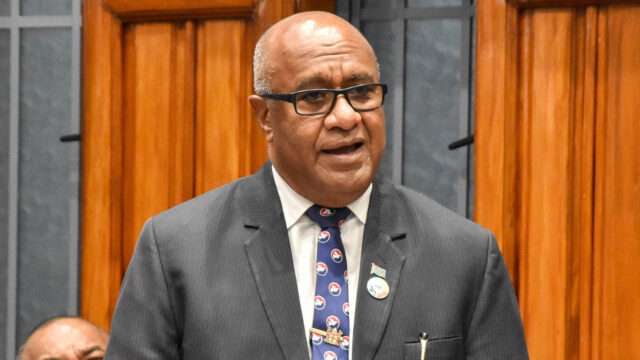
Minister for Lands and Mineral Resources Filimoni Vosarogo says maintaining an accurate voter register is fundamental to ensuring confidence in election results.
The amendments also address the terminology used in electoral legislation, particularly the definition of certified voter lists.
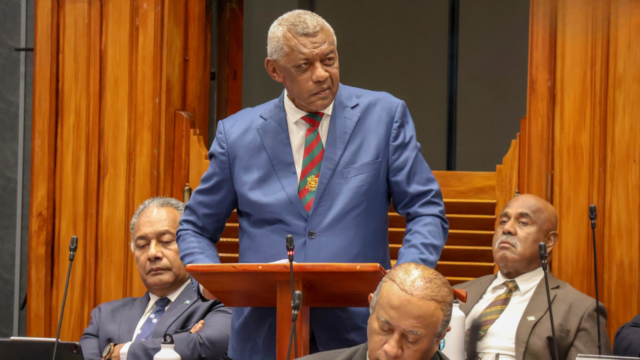
Opposition MP Jone Usamate supported this change, saying consistency is important because Fiji may be required to conduct referendums and general elections within the same
electoral framework.
He says the voter lists and terminology used across the different laws must be consistent when identifying eligible voters.
Another significant change concerns the classification of electoral offences.
Valenitabua says the Political Parties Registration, Conduct, Funding and Disclosures Amendment Bill removes an obsolete provision and places offences under categories that reflect their seriousness.
The amendments distinguish between corrupt electoral practices and illegal electoral practices, with dishonest conduct classified as corrupt practice and compliance breaches treated as illegal practice.
The changes are intended to make the enforcement of electoral laws clearer and more consistent.
Political party financial accountability is also being strengthened.
Under the amendments outlined by Vosarogo, the timeframe for financial disclosures will be reduced from 60 days to 30 days.
He says the shorter timeframe is important because voters are entitled to timely information about candidates and political parties seeking public office.
Valenitabua says clearer disclosure requirements also support international standards on transparency in political financing, including provisions under the United Nations Convention Against Corruption.
The amendments further address ballot secrecy, the authority of the Electoral Commission and the consistency of electoral procedures.
Valenitabua says the changes are consistent with Section 55 of the Constitution and support Fiji’s obligations under Article 25 of the International Covenant on Civil and Political Rights, which protects citizens’ rights to participate in genuine elections.
He also referred to the Venice Commission’s Code of Good Practice in Electoral Matters as an international standard reflected in the proposed reforms.
Usamate endorsed the three bills, although he raised a separate concern about the timing of restrictions on foreign campaign funding.
Parliament passed all three amendments unanimously.