 Litia Cava
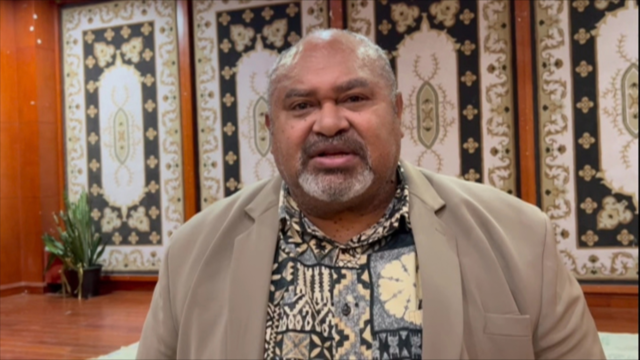
[Photo: Litia Cava]
Terrorism remains a possible threat to Fiji, despite the country’s current peaceful environment.
The government states that Fiji cannot afford to be complacent and must be prepared for an attack.
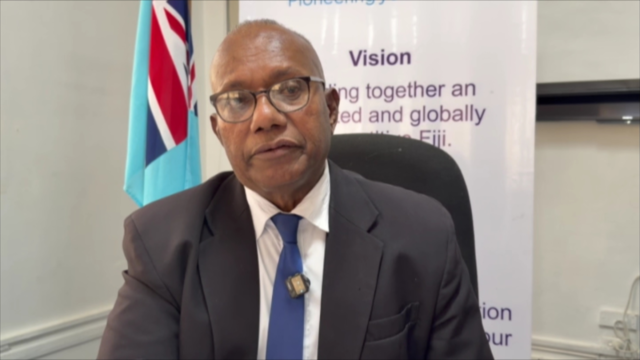
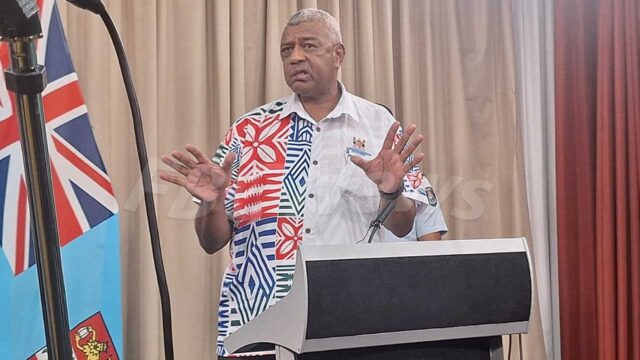
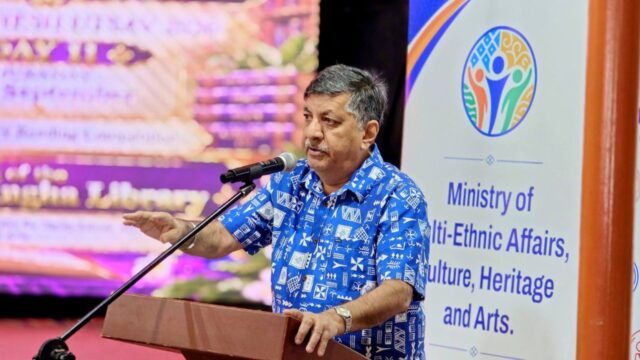
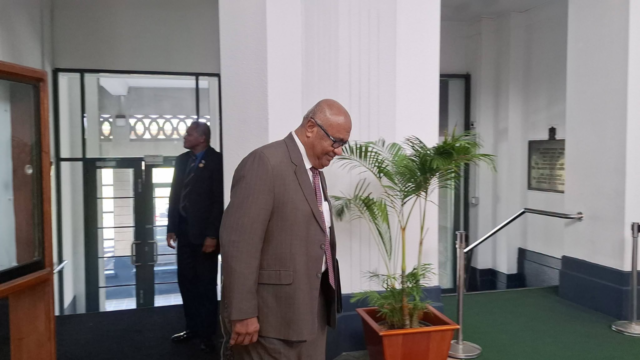
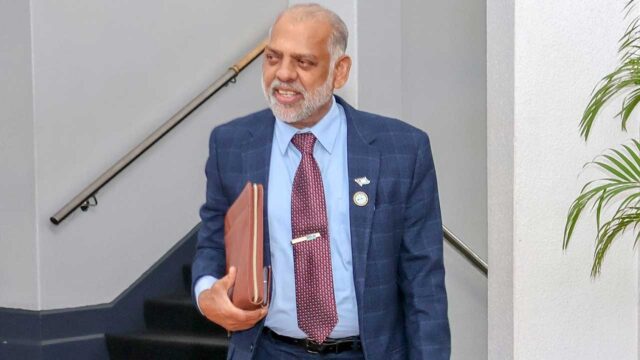
This, according to Minister for Policing Ioane Naivalurua.
He reiterated that Fiji cannot afford to wait for a threat to emerge before strengthening its national security response.
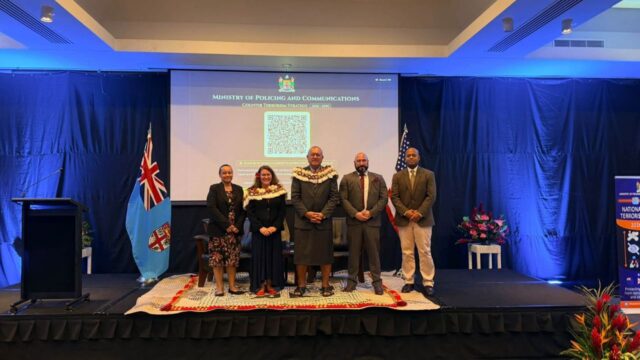
Launching the National Counter Terrorism Strategy 2026 to 2030, Naivalurua stated that terrorism may be unlikely in the foreseeable future, but unlikely does not mean impossible.
He says the nature of the threat has also changed, with radicalisation increasingly taking place online and extremist content capable of spreading rapidly.
“We prepare not because we expect terrorism, but because protecting our people is our responsibility.”
Naivalurua explained that violence can also emerge from individuals or small groups with little warning.
He said Fiji was preparing not because it expects terrorism but because protecting the public is the Government’s responsibility.
The Minister said Fiji would not tolerate terrorism or violent extremism, regardless of the ideology, motivation or justification behind it.
But he says the fight against terrorism must not undermine the rights of Fijians.
Naivalurua says counter-terrorism operations must remain grounded in the Constitution, the rule of law, human rights, due process and necessity.
He says security measures cannot become a licence for discrimination or suspicion based on religion, race, village, language or belief.
The strategy takes a whole-of-government approach, recognising that terrorism can intersect with other security threats, including firearms, money laundering, organised crime, maritime crime, cyber threats and other illicit activity.
Naivalurua says counter-terrorism therefore cannot be left to police alone.
He says Government agencies must work with communities, schools, traditional institutions, faith groups, financial institutions, the technology sector and international partners to identify and prevent threats.
The strategy is built around four areas: prevention, preparation, response and recovery.
Naivalurua adds that prevention means identifying risks before they become threats, while preparation requires Government and security agencies to have the people, systems and procedures in place before a crisis.
He says response will focus on protecting lives, containing threats and restoring safety, while recovery will involve rebuilding affected communities and learning from each incident.
The government is also progressing the Counter Terrorism and Suppression of Terrorism Financing Bill, which Naivalurua says will strengthen Fiji’s legislative capacity.
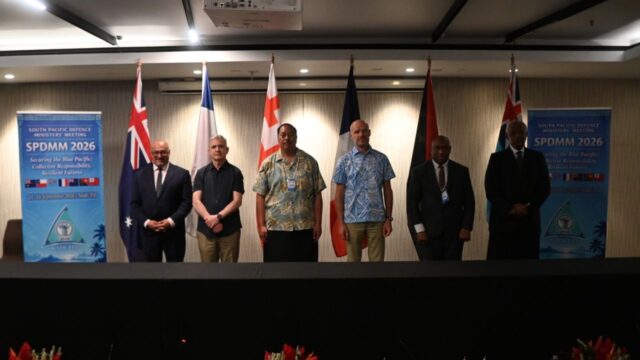
He said Fiji would also deepen cooperation with Pacific neighbours and international partners on intelligence sharing, border security, financial intelligence, cyber resilience and joint operations.
Naivalurua adds that the launch is only the beginning, with the strategy now to be put into action through training, exercises and effective coordination.