 Litia Cava
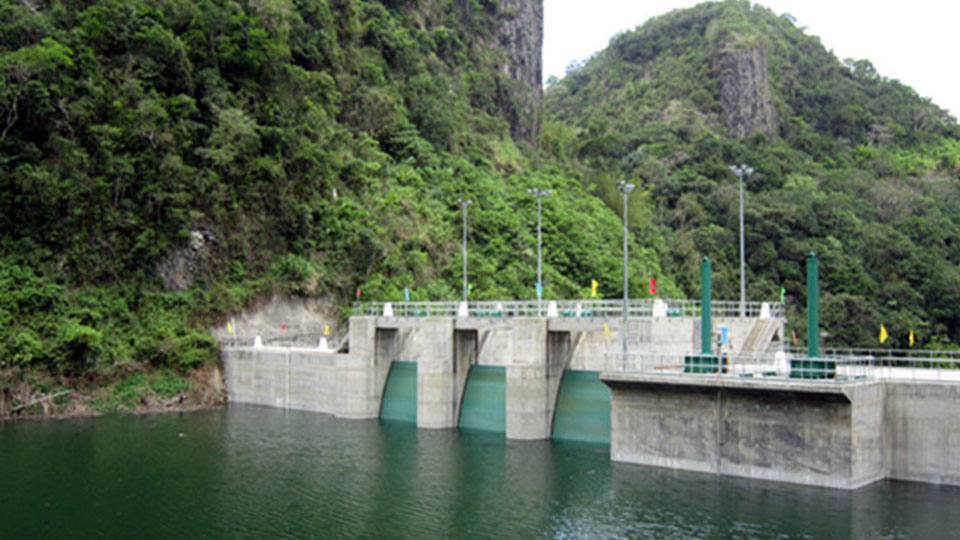
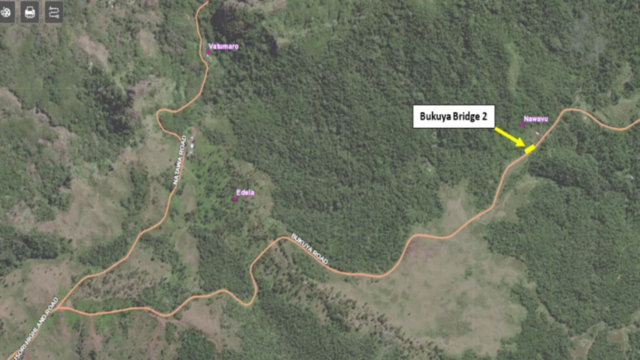
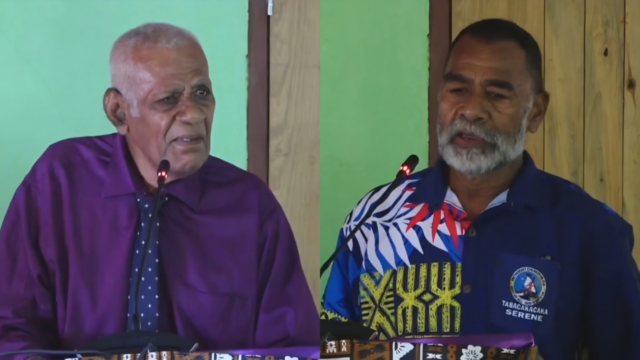
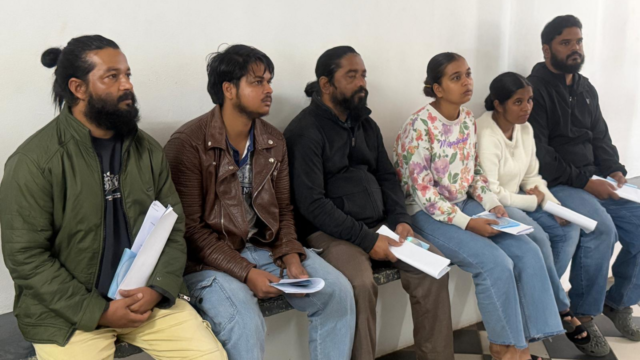
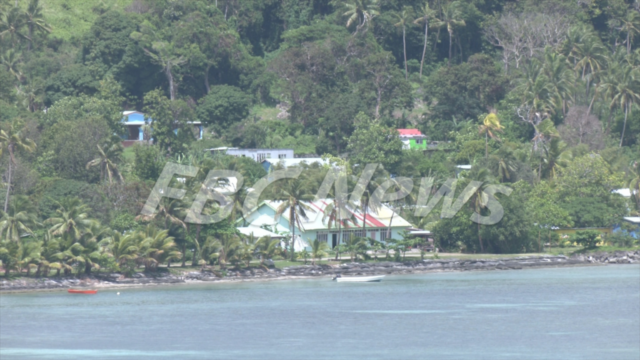
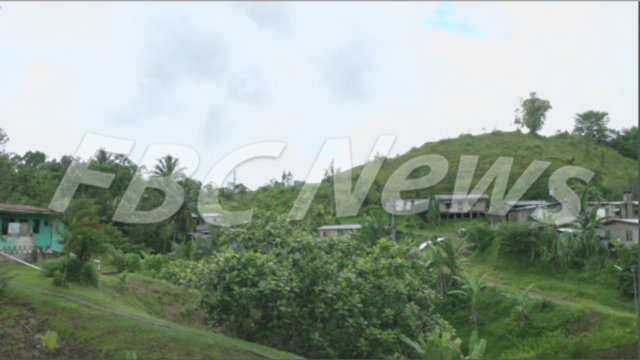
Hydro dam landowners in Nadarivatu say they cannot verify whether they are receiving the benefits owed from commercial operations on their customary land.
They want the Constitution Amendment Bill 2026 to require trusts and other entities managing resource revenue to disclose their accounts to landowning units.
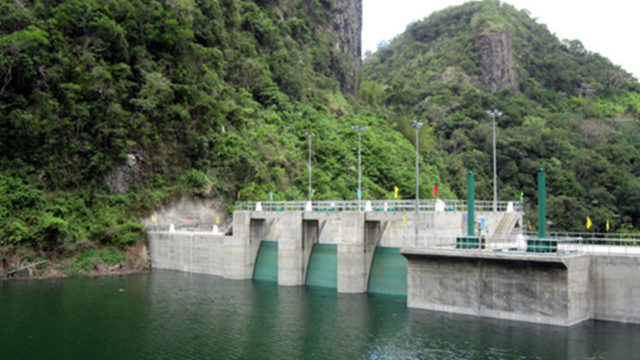
They identify Fiji Pine, Fiji Mahogany and the Energy Fiji Limited hydropower project as areas requiring greater scrutiny, questioning whether benefit-sharing arrangements are translating into payments received by their mataqali.
The submission notes that Fiji Pine has a mechanism for sharing net revenue with landowners, while the proposed Mahogany Bill includes a Landowner Equitable Benefit Fund.
However, the Nadarivatu representatives say they cannot establish whether their landowning group has received the benefits it is entitled to because the relevant accounts are not made available to
them.
They argue that without access to financial records, landowners cannot independently establish how much revenue has been generated, what they are owed or whether payments have been made in full.
The submission also raises concerns over a development lease linked to Nadarivatu Dam, claiming a two-year lease was automatically renewed for 99 years in 2024 without the landowners’ knowledge.
The representatives are asking the committee to strengthen Clause 47 of the Bill by requiring greater transparency in resource benefit-sharing arrangements.
They argue that consultation and consent provisions will offer limited protection if landowners cannot access the financial information needed to assess whether agreements are being honoured.
The proposed amendment would place transparency at the centre of resource governance, allowing customary landowners to scrutinise payments and hold the relevant entities accountable.
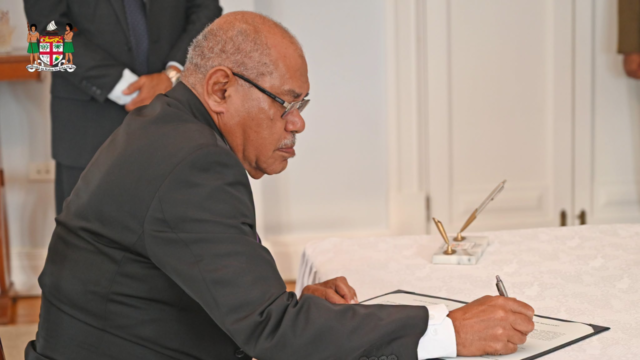
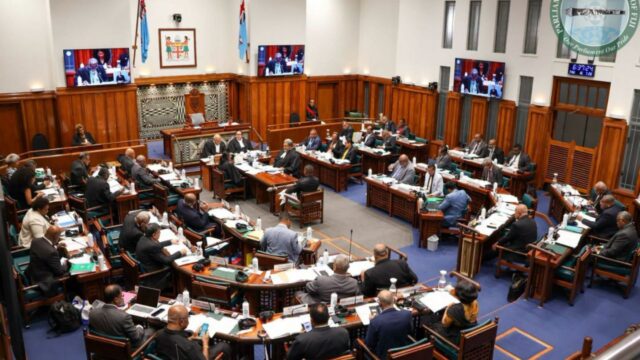
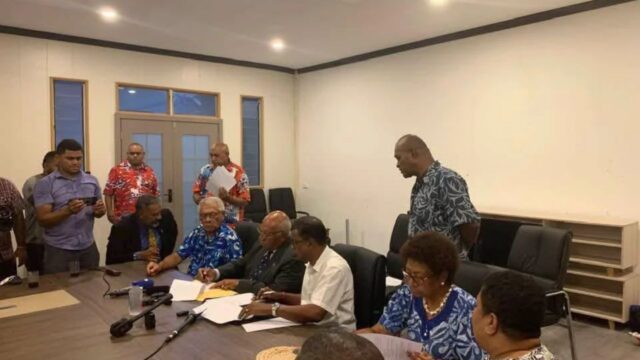
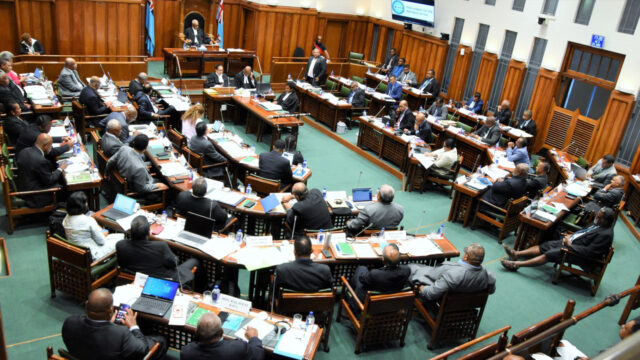
This was part of their submission to the Special Committee reviewing the Constitution Amendment Bill 2026.