 Lusiana Divokitira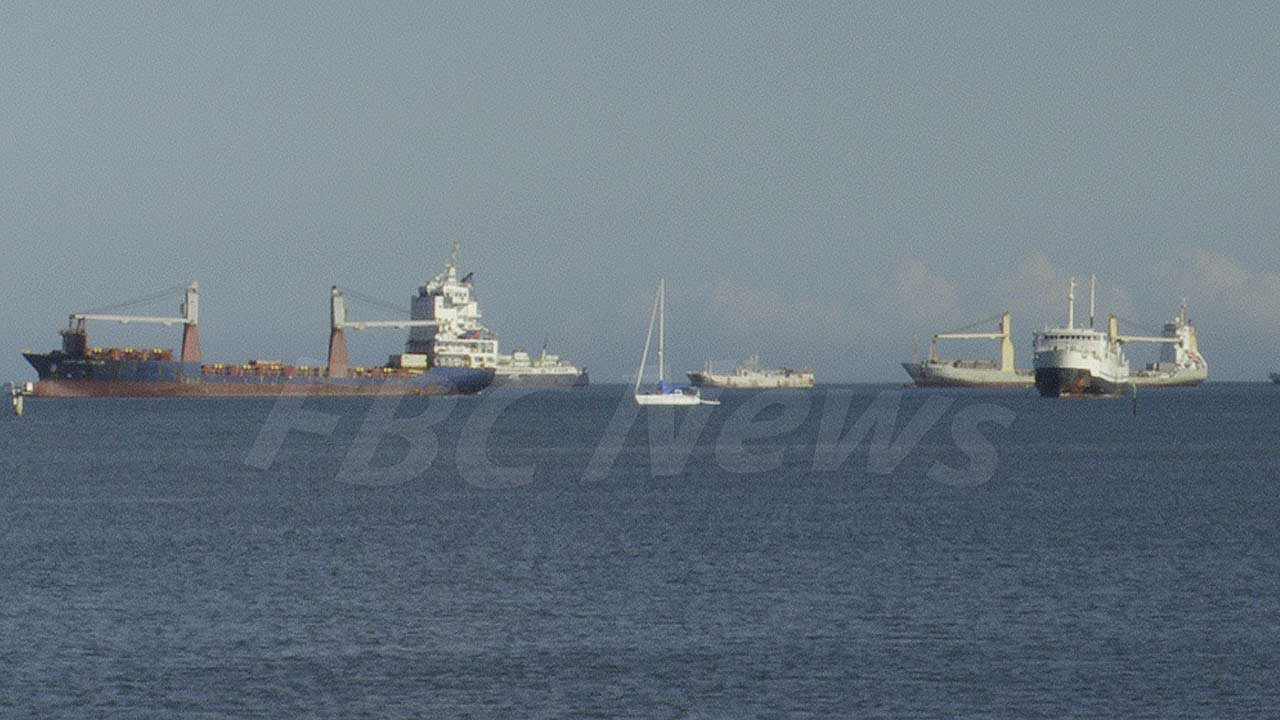
[Photo: FILE]
Fiji has a framework of maritime laws and regulations, backed by its commitments under international maritime conventions.
The question now is how effectively these policies are being implemented, and what more is needed to make Fiji’s maritime sector safer, better coordinated and more sustainable.
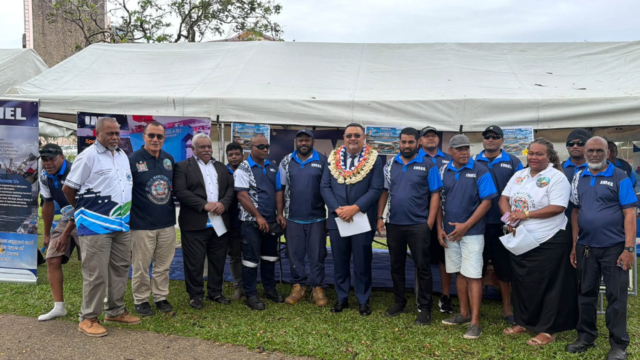
International Maritime Organization representative Sitalingi Payne says international standards provide a common framework for countries whose ships operate across borders.
She says putting those standards into practice remains a challenge.
“Bringing it to practice is still a challenge up to now, and it’s the theme of this World Maritime Day celebration. So, from a regional, international perspective, it’s very important to identify these similar needs across different countries and identify that support needed and how regional efforts and international effort can support.”
For Pacific Island countries, implementing international maritime standards cannot follow a one-size-fits-all approach.
For Fiji, this also includes addressing environmental commitments and preparing for the future of maritime transport.
Ministry of Transport Planner in Maritime, Chanel Mavoa, says several strategies are being developed to address Fiji’s maritime priorities, including reducing emissions.
“Through the Ministry of Environment and Climate Change, we have the now 3.0 nationally determined contributions. And in it, we have committed to decarbonizing or reducing emissions from the maritime sector by 30 percent by 2040. So that’s our commitment nationally.
The Maritime Safety Authority of Fiji says the strength of any maritime law ultimately depends on how well it is implemented and enforced.
Manager Governance, Legal and Board Secretary Salaseini Lesianawai says Fiji has adopted several International Maritime Organization conventions and translated them into national laws and policies.
She says safety is not simply about having laws in place, but about managing risks and protecting lives.
“Safety is not easy because things have not happened, but safety is what we manage. We manage the risks, we manage the lives.”
Lesianawai says maritime safety also requires cooperation because the responsibilities of agencies and organisations often overlap.
She says effective implementation, enforcement and coordination are critical to ensuring Fiji’s maritime laws translate into safer operations at sea.