 Reuters
source: Reuters
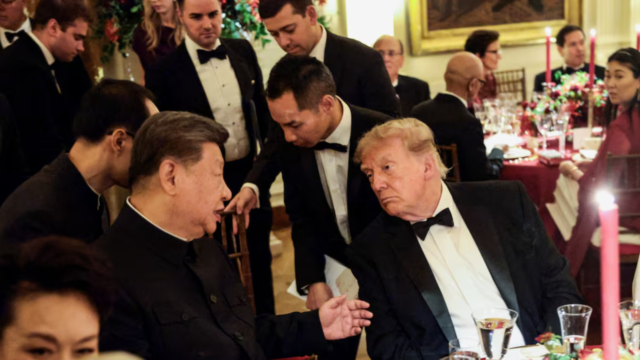
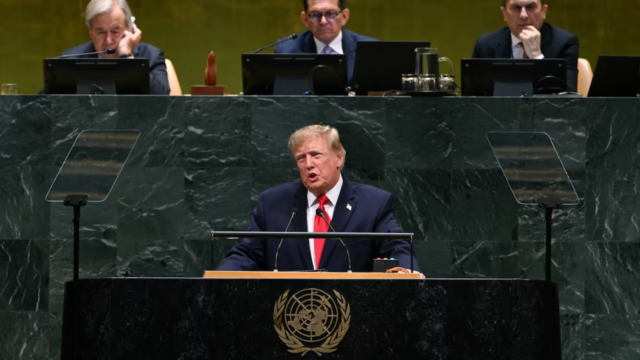
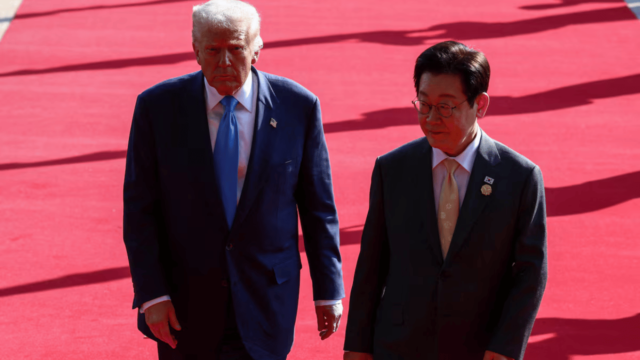
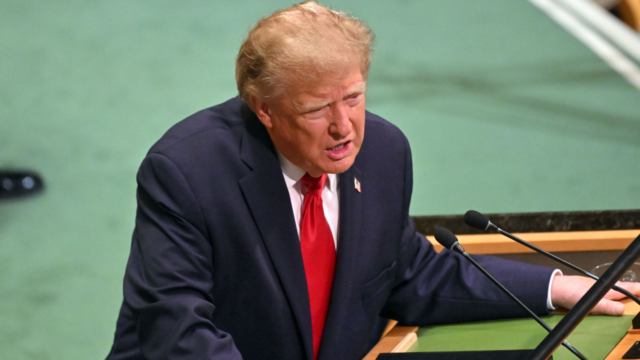
China’s Xi Jinping told President Donald Trump on Thursday that he hoped the US will adhere to the “correct position” of opposing Taiwan independence, and that the Chinese stance on “reunification” is clear-cut.
Below are some questions and answers about what is meant by the term “Taiwan independence” and the positions of the Chinese, US and Taiwanese governments.
Following the Qing’s defeat in a war with Japan, it became a Japanese colony in 1895. In 1945, it was handed over to the Republic of China government at the end of World War Two.
In 1949 after being defeated by Mao Zedong’s Communist forces, the Republic of China government fled and moved its capital to Taiwan, and Republic of China remains the island’s formal name.
Mao set up the People’s Republic of China, and claimed it was the only legitimate Chinese government for the whole of China, including Taiwan, as the Republic of China’s successor state.
Most major Western countries and US allies maintain close unofficial ties with Taiwan by recognising the Republic of China passport and having de facto embassies in each other’s capitals.
China says it will not renounce the use of force to bring Taiwan under its control. Beijing has offered Taiwan a “one country, two systems” model similar to Hong Kong, which promised the city a high degree of autonomy, although no major political party in Taiwan supports that.