 Litia Cava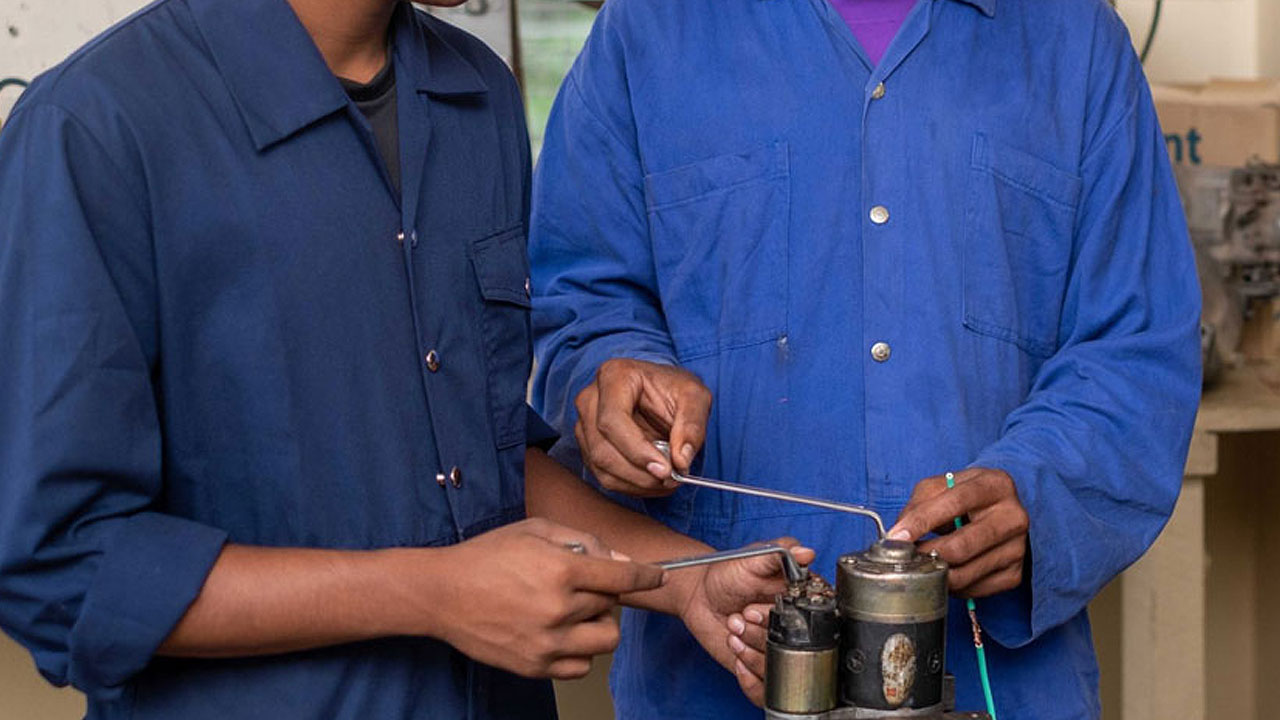
[File Photo]
Fiji may need to rethink how it treats vocational training. There are growing calls for TVET to move from the margins into the mainstream.
The aim is to ensure technical education is seen as a pathway alongside academic study, rather than an option for students who do not make it to university.
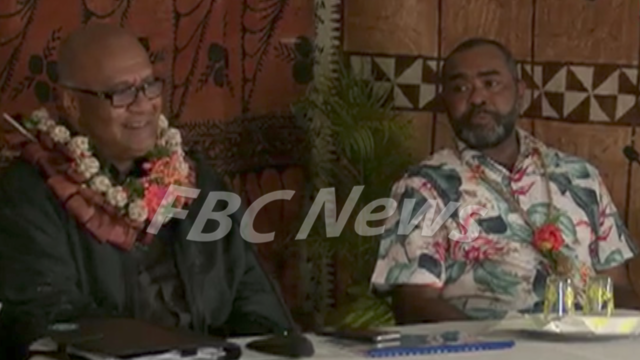
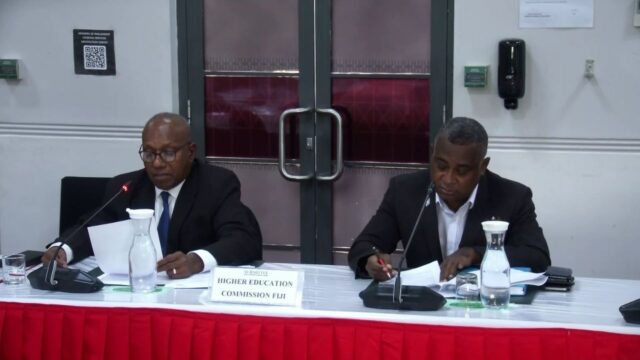
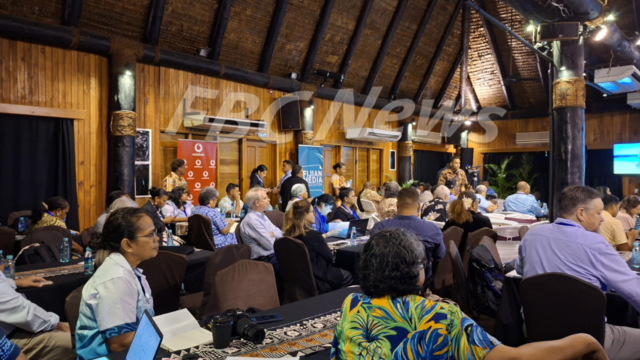
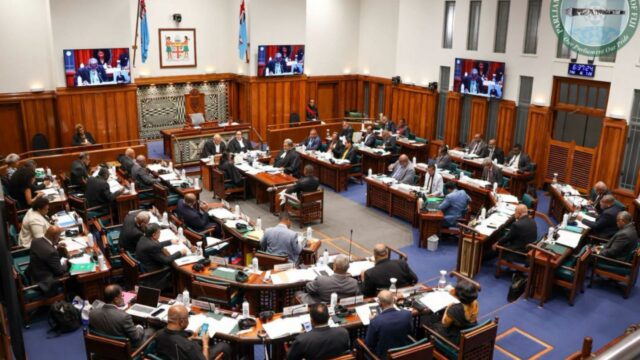
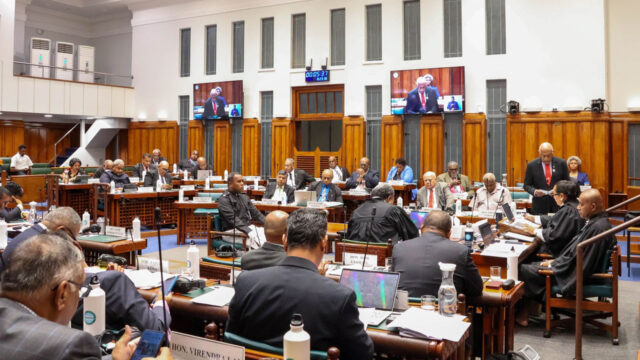
That was the view raised during a parliamentary hearing on the Fiji-Australia Vuvale Union and Ocean of Peace Alliance, where the Higher Education Commission was questioned about the future of Technical and Vocational Education and Training or TVET.
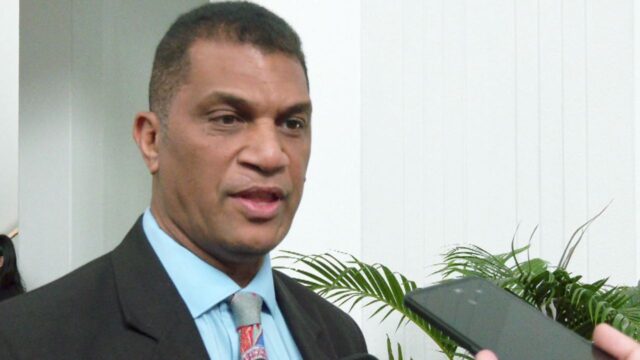
Committee Member Aliki Bia questioned whether Fiji’s education system itself had contributed to TVET being treated as a fallback option.
Bia said students are traditionally pushed through the academic pathway from secondary school, with vocational training often presented as an option for those who do not proceed to tertiary education.
“But if someone does not, after Form 7 and cannot go to tertiary, that’s why the setup for vocational studies is always second choice because it is outside the main education system.”
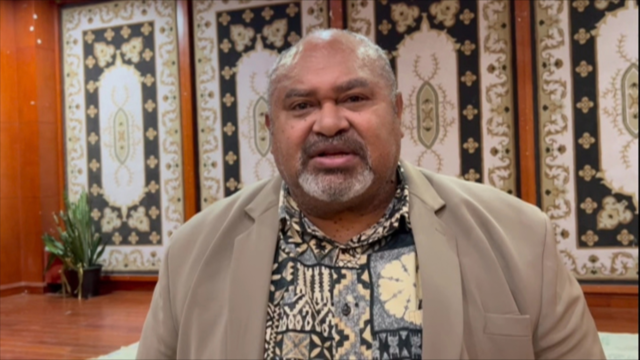
Higher Education Commission Director Dr Eci Naisele agreed that Fiji’s education system has historically placed greater emphasis on the academic pathway.
He said the system has traditionally focused on examinations and cognitive achievement, while technical education is based more heavily on competency and practical skills.
“So, right now, there’s one of the prominent school in Suva. I remember there’s a number of students preparing for form six, form seven examination. At the same time, for the last three years, they’ve been doing skills training.”
Dr Naisele described education as involving three areas: the head, the hands and the heart. He said Fiji has traditionally placed greater emphasis on the first, while practical skills development falls under the second.
The Commission is now working with the Ministry of Education to bring TVET further into the mainstream education system.
Dr Naisele said one model already being piloted allows secondary students to pursue their normal academic qualifications while simultaneously completing national TVET qualifications.
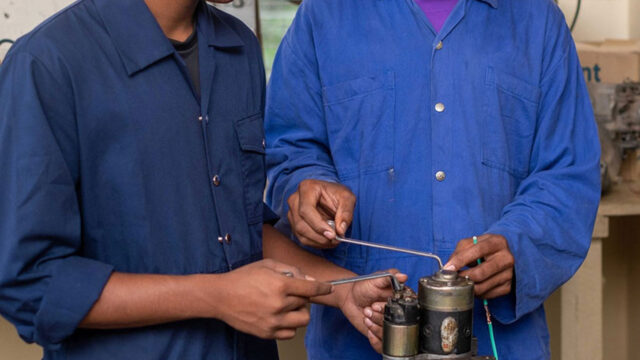
He gave the example of a student in Suva who is expected to complete Form Six or Form Seven while also graduating with a National Certificate Level Two qualification in automotive mechanics.
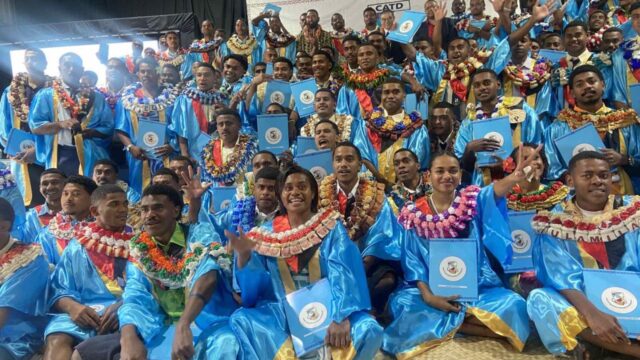
Dr Naisele said the model could help change the perception of TVET by allowing students to leave school with both academic qualifications and practical skills.
The pathway could also have implications for employment.
Bia said students who do not secure scholarships or university places could still leave school with a recognised skill that could help them enter the workforce and potentially fund further education themselves.
The Commission says the wider Fiji-Australia partnership could also help modernise TVET through access to technical expertise, equipment, training facilities and industry-linked programs.
Dr Naisele said the challenge is particularly significant because the equipment and skills required by industries are changing rapidly.
He pointed to areas such as modern construction methods and electric vehicles as examples of emerging skills that Fiji’s current training system needs to prepare for.
The Commission says TVET centres of excellence under the partnership could provide modern equipment, trainer development, and industry engagement and specialised training.
The broader objective is to make technical education a recognised pathway alongside academic education rather than a destination for students who do not succeed academically.
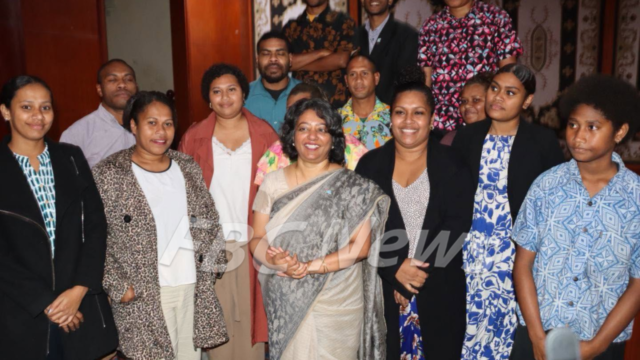
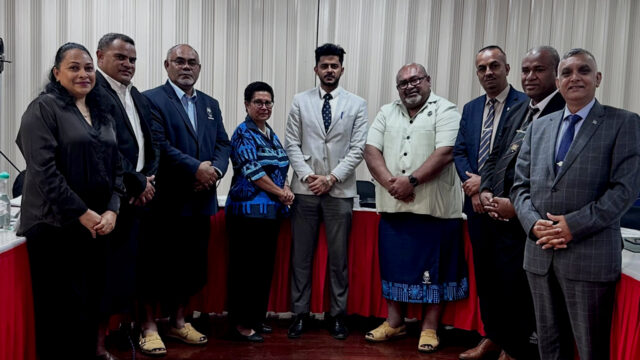
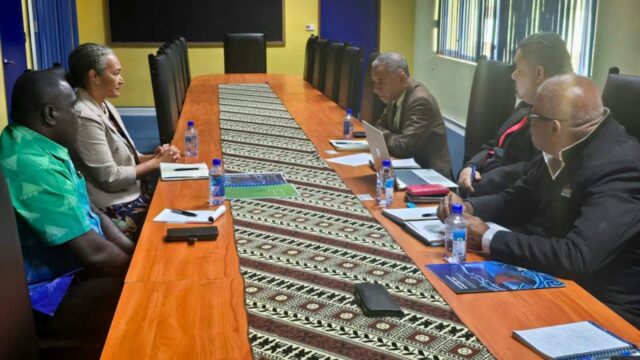
The team appeared before the Foreign Affairs Committee.