 Litia Cava
[File Photo]
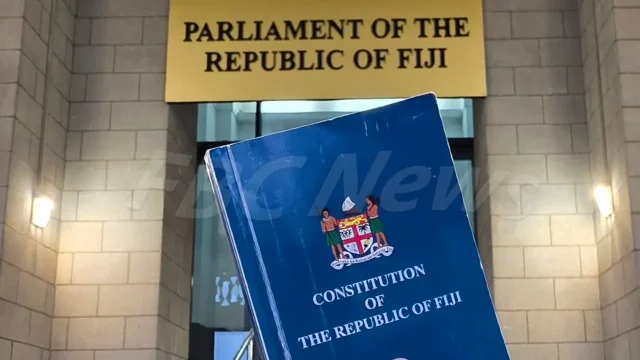
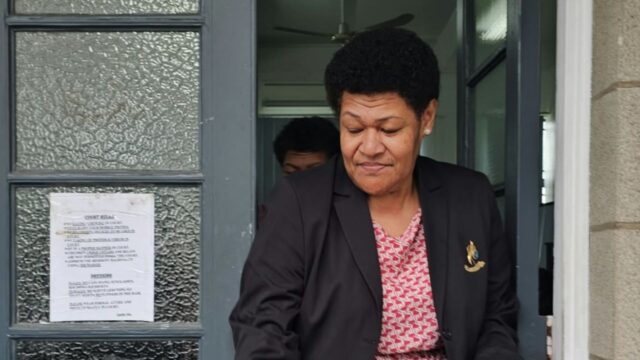
The National Disaster Risk Management Office says some of its concerns with the Fiji-Australia Vuvale Union and Veitacini Treaty surfaced only after the agreement was formalised.
This is raising questions over whether key implementing agencies were adequately consulted during the treaty’s development.
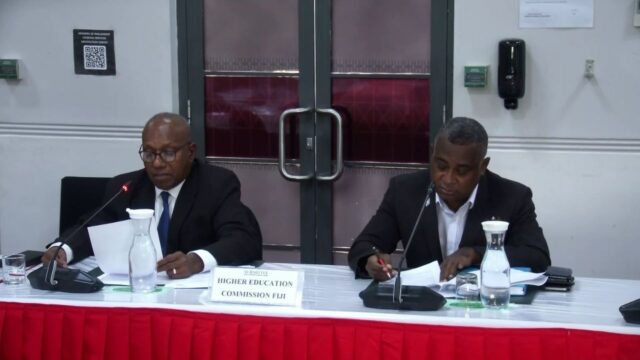
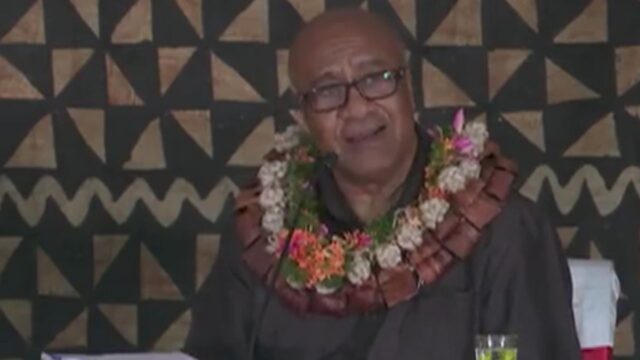
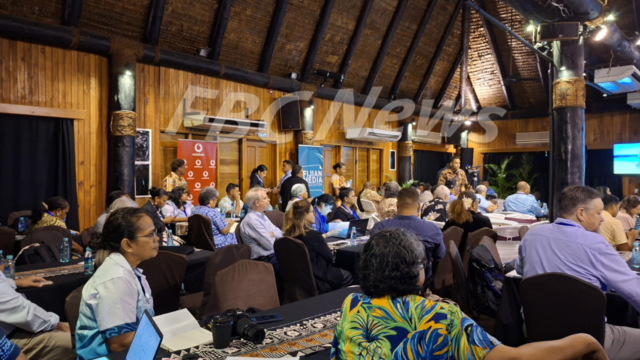
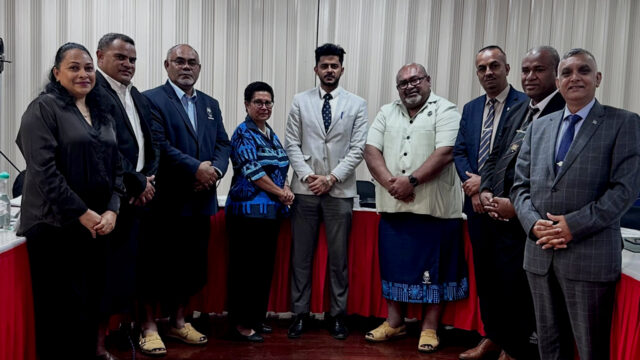
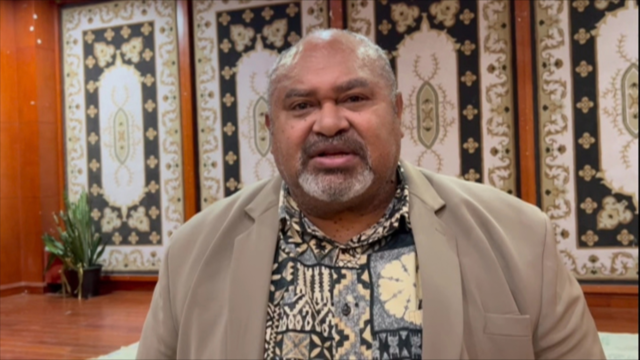
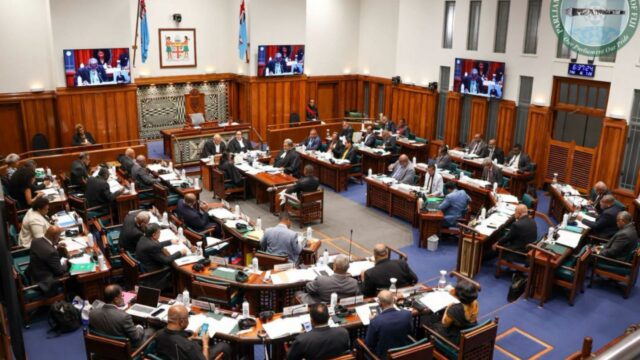
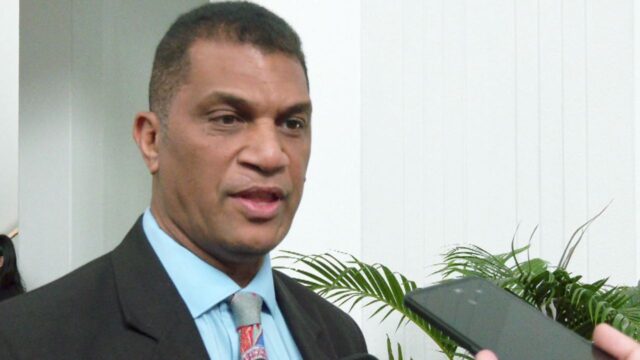
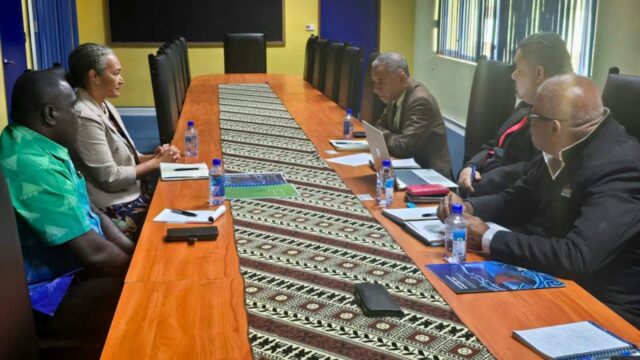
Permanent Secretary for Disaster Risk Management Mitieli Cama then explained to the Parliamenty Standing Committee on Foreign Affairs and Defence that consultations with the Ministry of Foreign Affairs had largely focused on the existing Vuvale Partnership rather than the actual wording of the treaty.
“Most of the consultations that we’ve done with the Ministry of Foreign Affairs, it’s focusing on the Vuvale partnership. For me, from my understanding, we’re not really contributing to the actual text of the treaty. We were more focusing on the coordination, discussing coordination on the Vuvale, the current Vuvale partnership, prior to the agreement to be a treaty.”
He was responding to questions from Committee Member Rinesh Sharma, who asked how well the Ministry had been consulted during the formalisation of the treaty.
Cama said it was only when officials went through the treaty itself that they identified areas requiring closer attention.
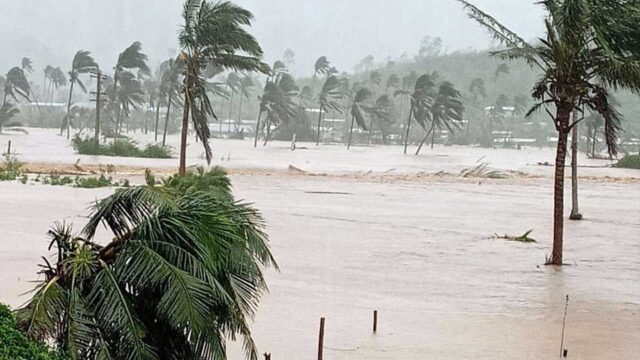
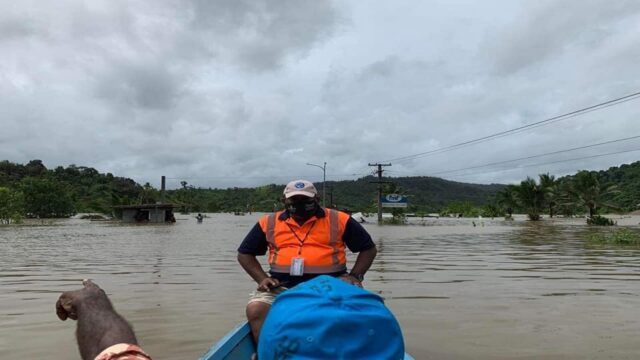
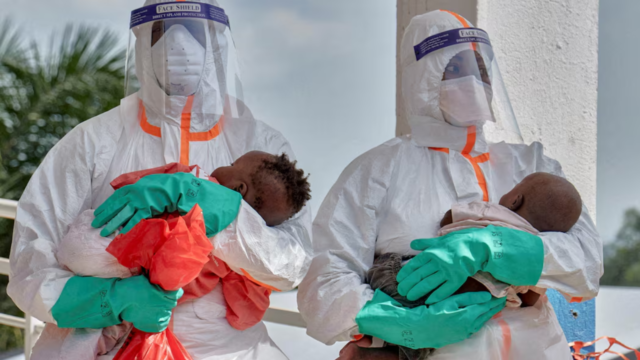
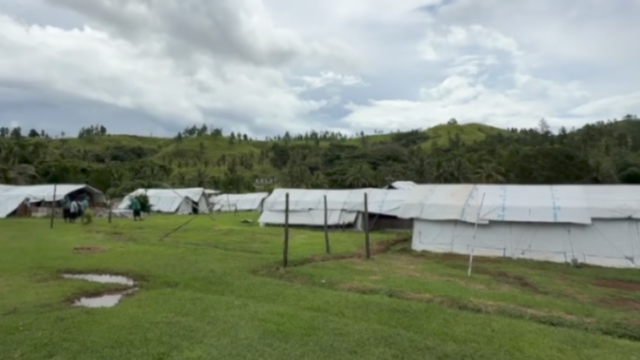
One of those concerns relates to disaster and humanitarian response.
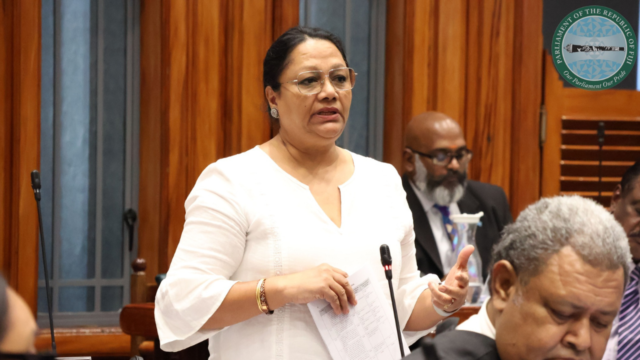
Committee Member Virendra Lal later asked whether issues raised by NDMO, including concerns around the treaty’s implementing arrangements and Article Seven on visiting forces, had been discussed during the initial consultations with Foreign Affairs.
Cama acknowledged that these matters were not adequately covered.
He said the ministry realised only after the document was in treaty form that elements relating to civil and humanitarian disaster response were not sufficiently captured.
Cama said this was important because Fiji works with a range of development and humanitarian partners, not only Australia.
He said the ministry therefore needed to carefully consider how the treaty could affect the interests of other donors that also contribute to Fiji’s disaster response.
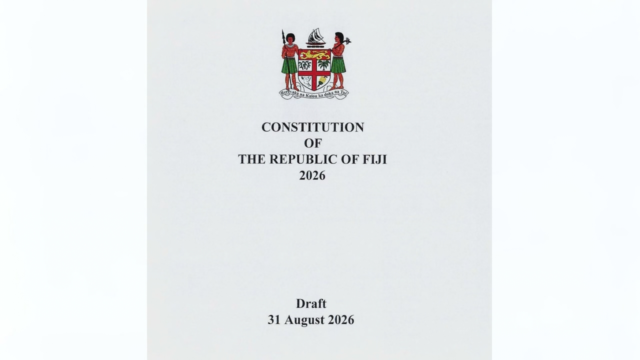
The treaty itself provides for subsidiary agreements and implementing arrangements to give effect to its commitments, while the Vuvale Union establishes a work plan for long-term implementation.
The exchange places renewed focus on whether ministries responsible for implementing major areas of the treaty were sufficiently involved before the agreements were signed.
Fiji and Australia formally signed the Vuvale Union and Ocean of Peace Alliance in July this year.
The agreements are now being considered by Parliament’s Standing Committee on Foreign Affairs and Defence.