 Litia Cava
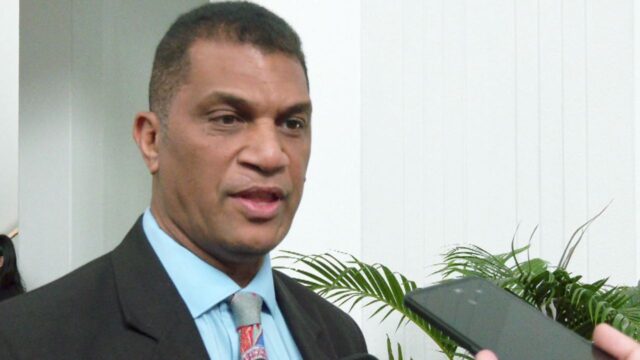
[File Photo]
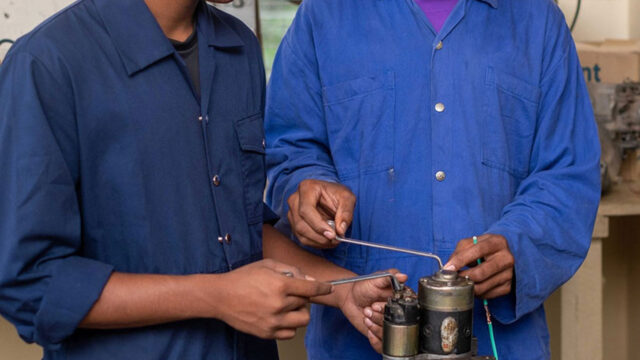
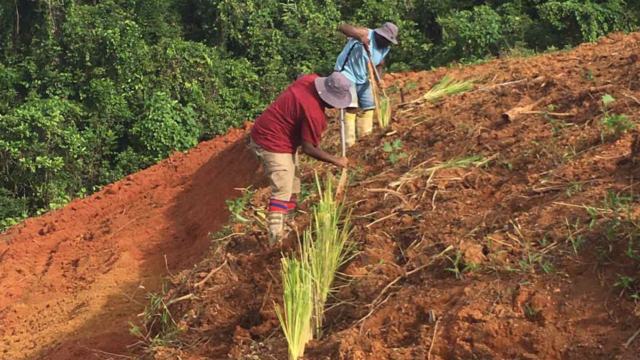
People who have developed skills through years of work in villages and communities could soon have a formal pathway to have those skills recognised as qualifications.
The Higher Education Commission says it is developing a Recognition of Prior Learning system that could allow experienced workers to have their existing competencies assessed without having to spend years completing formal training.
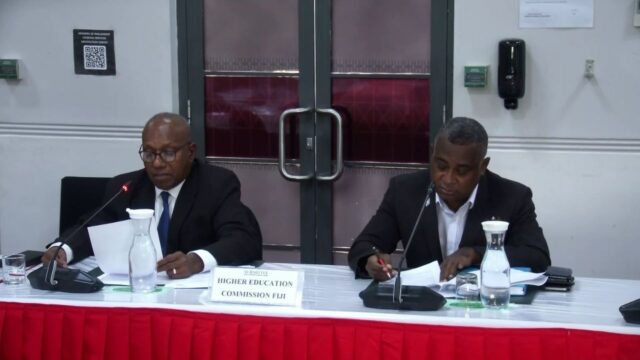
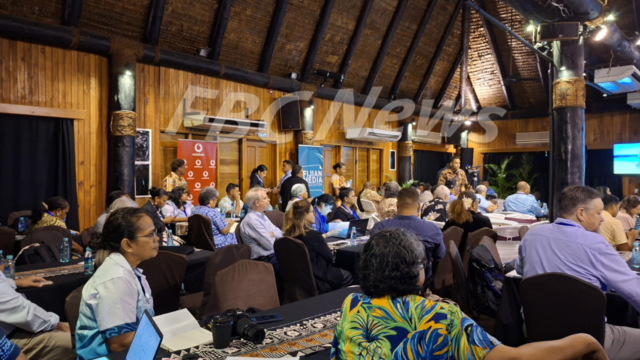
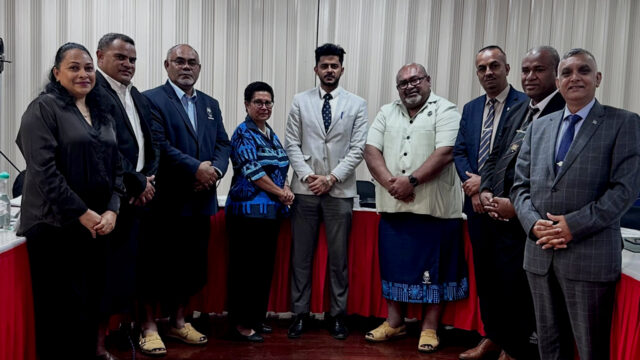
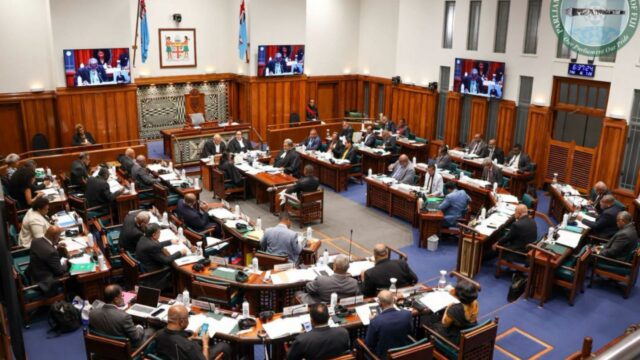
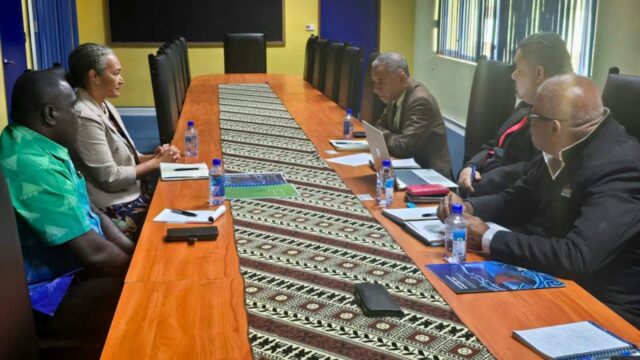
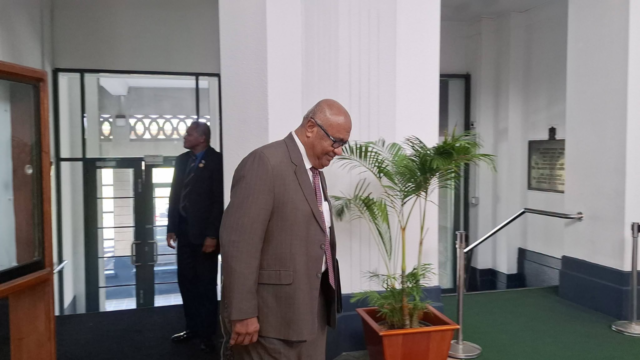
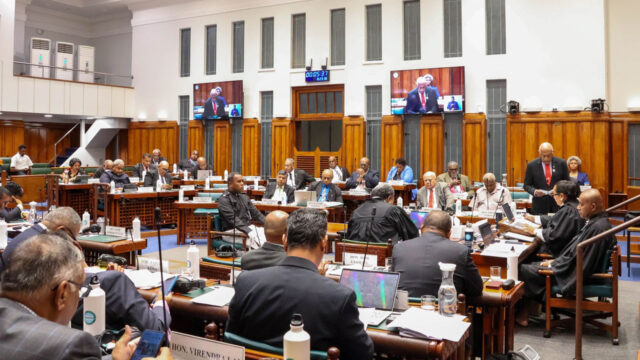
The issue was raised during a hearing of Parliament’s Standing Committee on Foreign Affairs and Defence on the Fiji-Australia Vuvale Union and Ocean of Peace Alliance.
Committee Members questioned the Commission about the recognition of micro-qualifications and short courses, particularly in rural communities.
HEC Communications Manager Epi Rawalai explained that Fiji’s qualifications system currently operates across a 10-level framework, from Certificates through to Diplomas, Degrees, Postgraduate Qualifications, Master’s Degrees and PhDs.
However, short courses and micro-credentials that fall below the formal qualification threshold are not currently recognised in the same way.
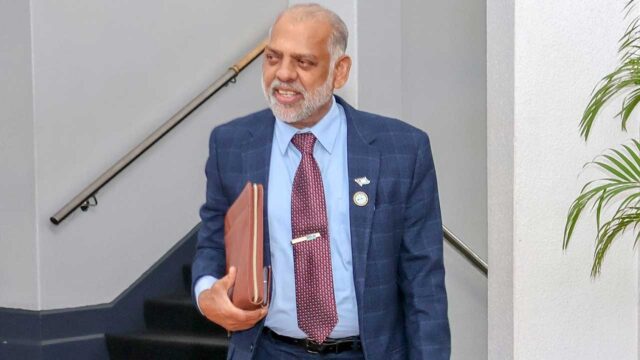
HEC Director Dr Eci Naisele said the Commission was reviewing the system and is developing policies around Recognition of Prior Learning and Recognition of Current Competencies.
The aim is to recognise skills people have already developed through work and experience. Dr Naisele said an assessor could travel directly to an applicant, including someone working in a rural community, and assess whether that person is competent in a particular trade.
Instead of a traditional pass-or-fail approach, the system would determine whether the applicant is competent or not yet competent.
“Where there are gaps, the person could then be referred for targeted training before receiving a formal qualification.”
Dr Naisele said this could significantly reduce the amount of time people need to spend in formal education. The Commission hopes to launch the system next year.
The proposal could be particularly significant for people in rural and remote communities whose practical skills may not currently translate into formally recognised qualifications.
It could also support labour mobility by giving workers recognised qualifications that can be understood and assessed across institutions and countries.
The Commission told the committee that Fiji already works through regional and international qualification-recognition frameworks.
Rawalai said Fiji’s qualifications framework was designed to allow qualifications to be compared with systems in Australia, New Zealand and other countries.
He stressed that this is about comparability rather than simply declaring qualifications equivalent.
The focus, he said, should be on strengthening Fiji’s qualifications system while making skills and qualifications more portable.
The Vuvale Union covers broad areas including education, economic development, labour mobility and people-to-people links, while the Ocean of Peace Alliance focuses on the two countries’ security and defence relationship.