 Litia Cava
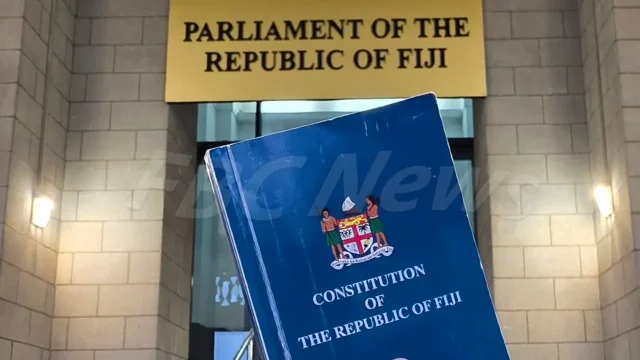
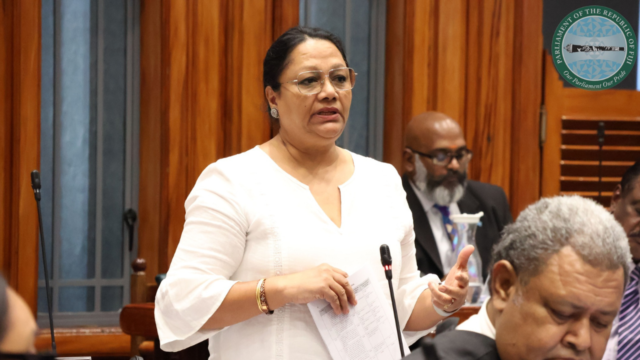
[Photo: PARLIAMENT/ FACEBOOK]
The Prime Minister’s Trust Fund could be overhauled to allow international donors and development partners to provide funding directly.
The National Disaster Risk Management Office said the proposed changes would strengthen the fund’s role in disaster response and risk management.
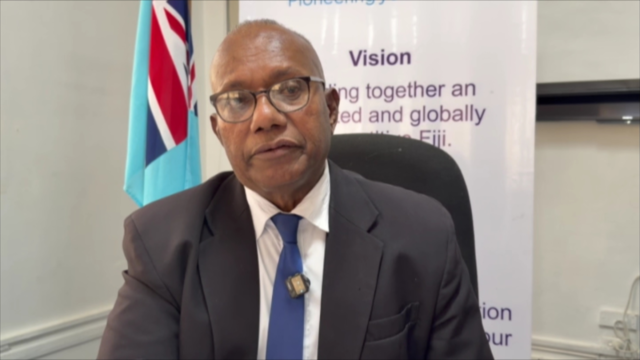
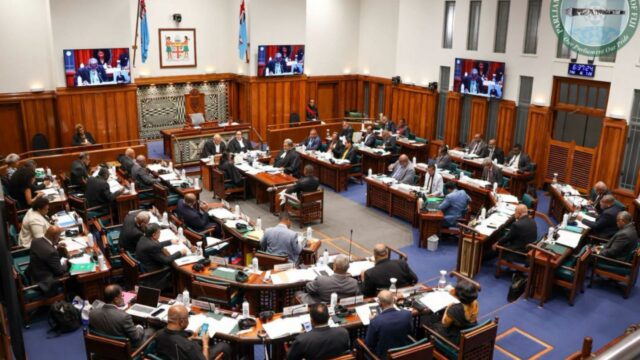
NDMO Director Napolioni Nabuliwaqa told Parliament’s Standing Committee on Foreign Affairs and Defence that the existing trust fund is currently funded primarily by the government, with some remaining public donations also held in the account.
He said the ministry was now working to expand the fund under the revised National Disaster Management Act 2024 and establish a formal Disaster Risk Management Fund.
The proposed changes would allow the fund to accept contributions from donors and development partners.
“One of the challenges with the current arrangement is that access to the fund is largely tied to a formally declared disaster. But we are seeing more localised disasters and emergencies that may not reach that threshold, even though communities still require assistance.”
Nabuliwaqa said NDMO was preparing a Cabinet submission to relax the existing guidelines so funds can be accessed more readily.
The issue was raised during questioning by Committee Member Rinesh Sharma, who sought clarification on how disaster and climate financing is negotiated, approved and ultimately reaches affected communities.
Permanent Secretary Mitieli Cama said NDMO generally plays a coordinating role in donor-funded programs while implementation is often carried out by other government ministries.
Nabuliwaqa explained that the Prime Minister’s Trust Fund is coordinated by NDMO in collaboration with the Prime Minister’s Office, with the Prime Minister serving as a trustee alongside government officials.
He stressed that the fund should not be confused with the Relocation Trust Fund.
Relocation funding is handled separately, with the Ministry of Climate Change leading climate-related relocation and NDMO serving as a key implementation partner.
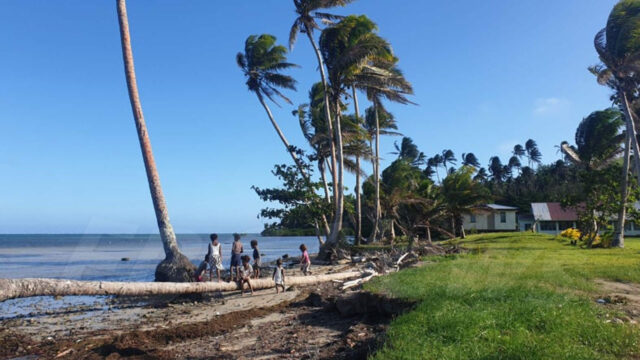
The distinction became particularly relevant during questions about communities such as Nabavatu, where residents have remained in temporary accommodation years after Tropical Cyclone Yasa.
Nabuliwaqa said the lead agency for relocation is the Ministry of Climate Change and Environment and that relocation funding does not come through the Prime Minister’s Trust Fund, which is primarily focused on disaster response.
He attributed delays at Nabavatu to factors including community consent, land assessments, geotechnical studies, and the development of national relocation guidelines, construction challenges, weather and the availability of materials.