 Mosese Raqio
[File Photo]
The Fiji Disabled Peoples Federation is calling for stronger disability inclusion in Fiji’s climate action and disaster response systems, after research found major gaps in preparedness, accessibility and support.
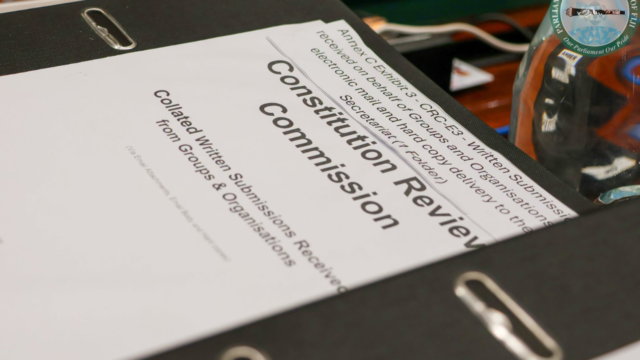
A new Fiji Disabled Peoples Federation report, launched through the Inclusive Climate Action for Fiji Project, surveyed 115 persons with disabilities across Fiji.
It found more than 70 percent earn $200 or less a month, while 67.8 percent rely on government welfare assistance.
The report says limited income affects their ability to prepare for disasters, secure resilient housing, access assistive devices and recover from climate shocks.
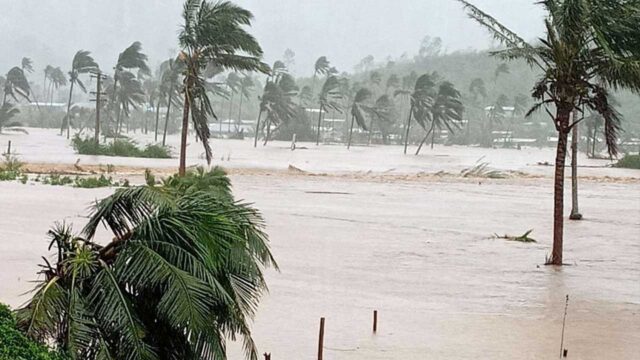
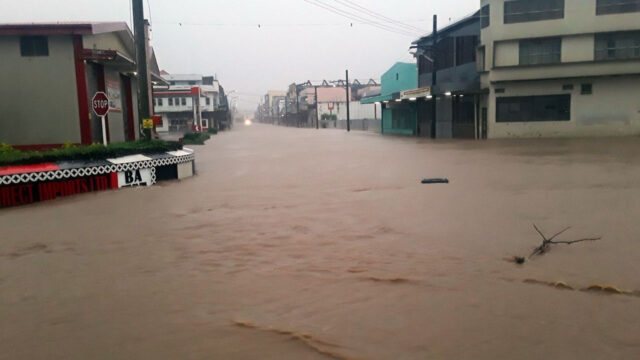
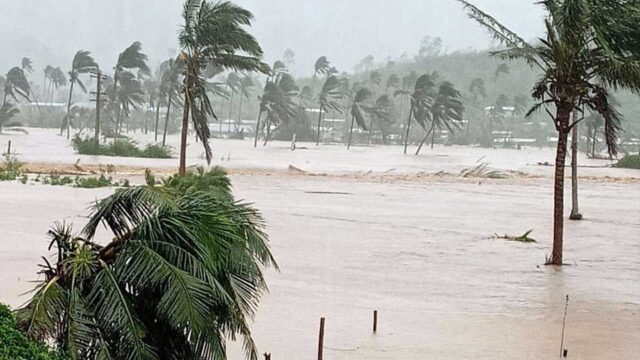
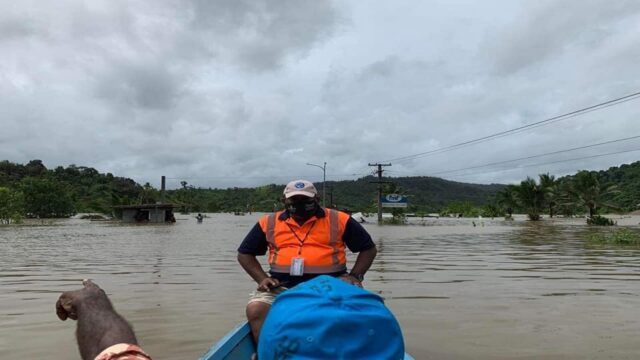
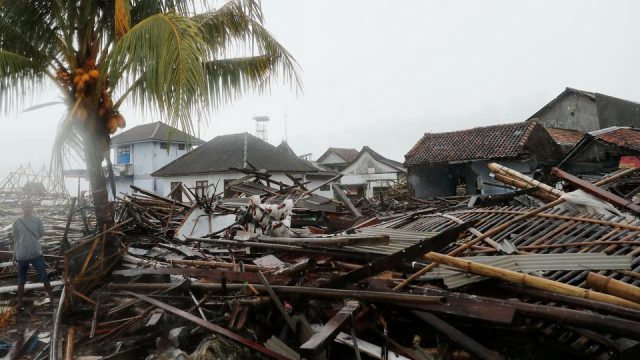
Exposure to disasters is also high.Ninety-one percent of respondents had experienced cyclones, while 80 percent had experienced flooding.
During disasters, 90 percent reported water shortages and 84 percent reported food shortages.
Preparedness and accessibility remain major concerns, with 83 percent saying they had never received post-disaster training.
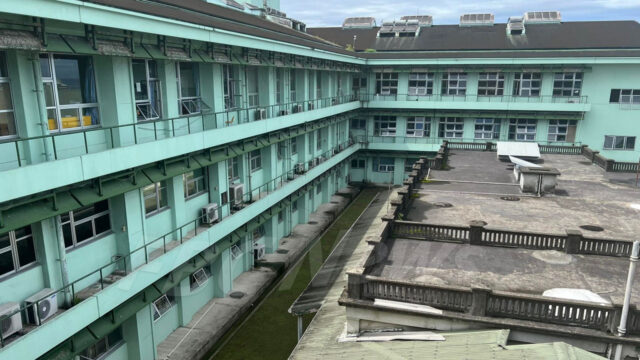
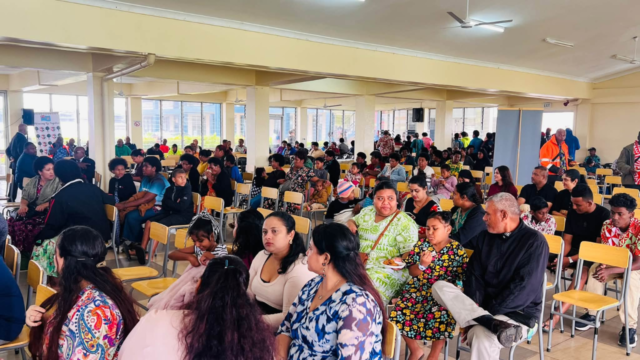
Around 60 percent said evacuation centres did not meet disability-related needs, including access to ramps, toilets and suitable spaces for wheelchair users.
The report also found 73.9 per cent experienced difficulty walking or climbing steps.
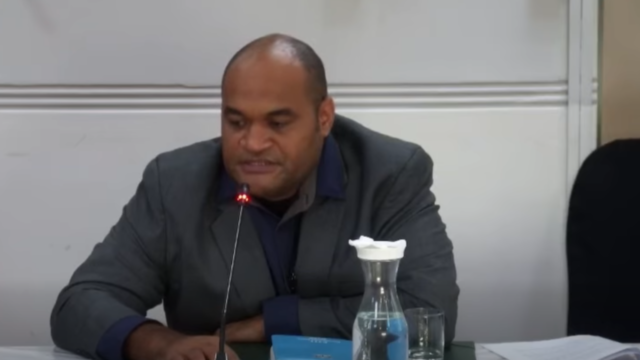
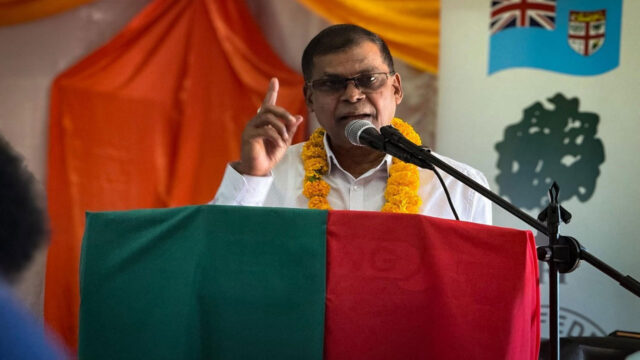
FDPF Program Coordinator Jay Nasilasila says disability inclusion must move beyond policy commitments and become part of climate planning, financing and disaster response.
He says climate change does not affect everyone equally and Fiji’s resilience is incomplete when persons with disabilities are excluded from decision-making, accessible warnings and evacuation planning.
The FDPF is calling for accessible evacuation centres and early warning systems, better disability-disaggregated data, dedicated funding, stronger community preparedness and meaningful participation of persons with disabilities in climate and disaster planning.
The report says persons with disabilities must be recognised not only as people requiring assistance, but as rights-holders, leaders and agents of change.
Nasilasila says the report is a call to action, with its central message being “Nothing About Us Without Us.”