 Mosese Raqio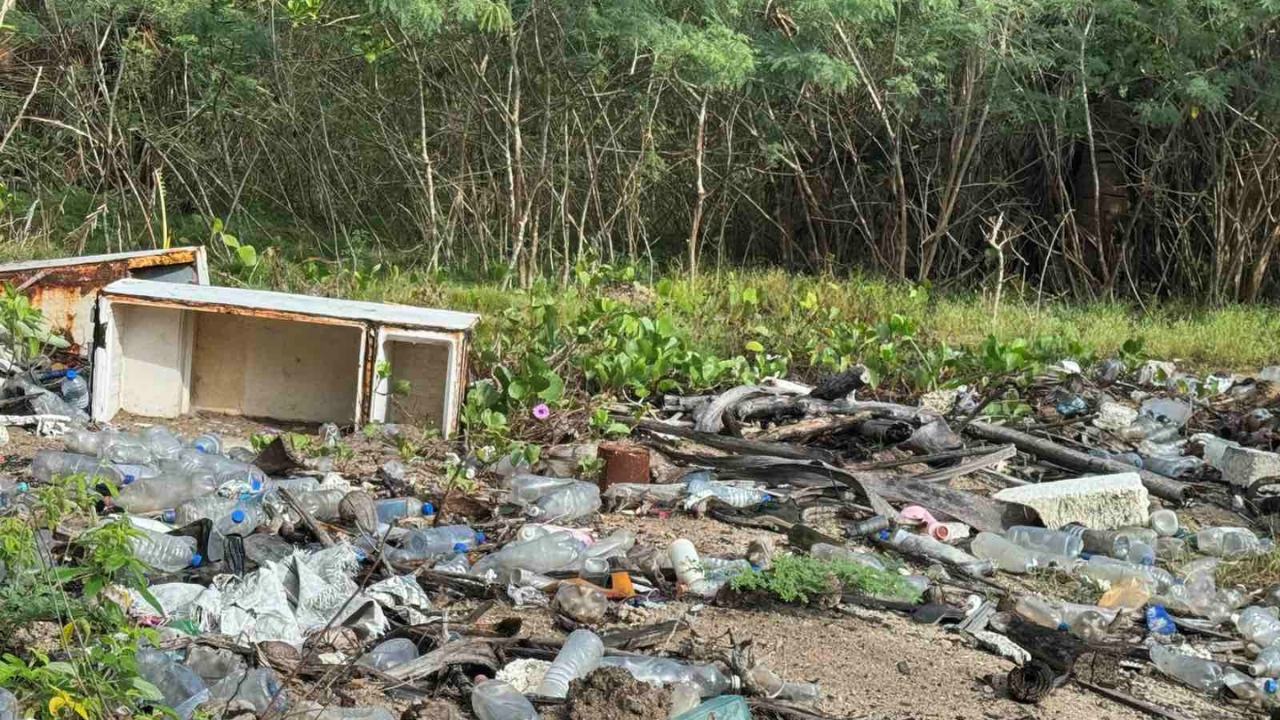
[Photo: Supplied]
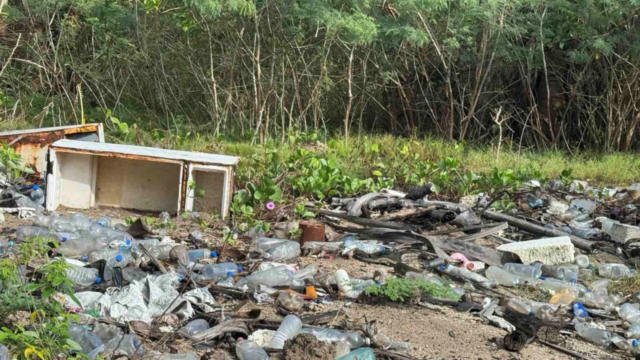
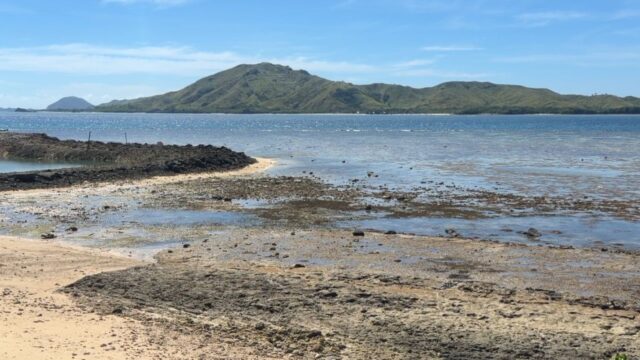
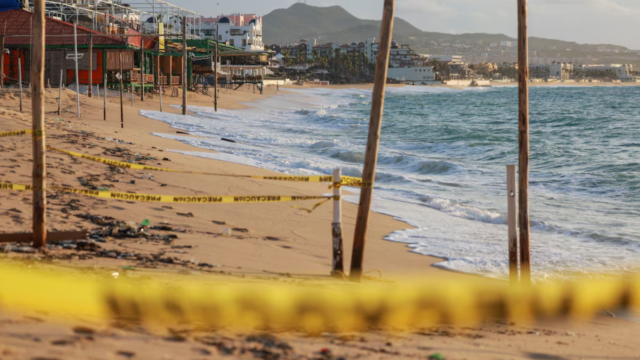
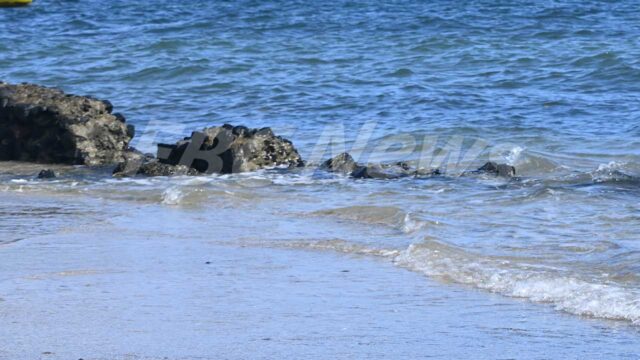
Plastic waste found at every coastal stop during the Paddle of Hope is being described as a warning that Fiji’s waste problem cannot be solved through clean-ups alone.
The Pacific Recycling Foundation says the estimated 30 to 40 sacks of plastic and other waste collected during the journey point to deeper failures in how waste is collected, recovered, recycled and disposed of.
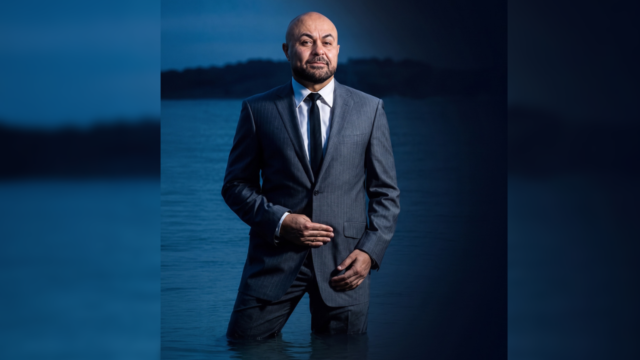
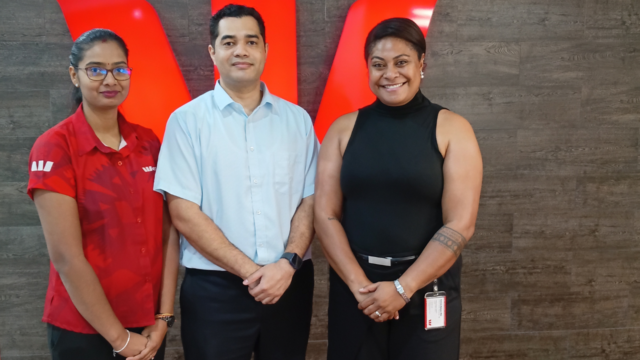
PRF Founder and Director Amitesh Deo says the focus must shift from simply removing rubbish to understanding how it reaches the coastline in the first place.
“We cannot keep looking at the coastline and only ask how much rubbish we can remove. We also need to ask why that material reached the coastline, where the system failed and what we can change so it does not happen again.”
Deo says Fiji needs a comprehensive waste management system that brings together behaviour change, collection, recovery, recycling and responsible disposal.
He says that system must be built from the ground up and include the people already working in waste management at community level.
“The people who are already doing this work know the realities on the ground.”
Deo says grassroots recyclers understand what communities are throwing away, what can realistically be recovered and where the biggest gaps exist.
He warns that initiatives introduced without consulting those already working in the sector could unintentionally undermine existing recovery systems.
“If we keep implementing initiatives without talking to the people who are already working in this space, sometimes we can actually do more harm.”
The Paddle of Hope observations also highlight how waste generated inland can eventually reach the ocean through drains, rivers and waterways.
Deo says behaviour change is important, but people also need systems that allow them to act differently.
He says asking households to separate recyclables means little if there is no reliable pathway for those materials after they are collected.
PRF says Fiji needs to connect behaviour, collection infrastructure, data and recovery so recyclable materials are diverted from disposal and given a pathway back into the economy.
The foundation says the coastline should therefore be viewed not just as the place where waste ends up, but as evidence of what is happening, or failing to happen, further upstream.
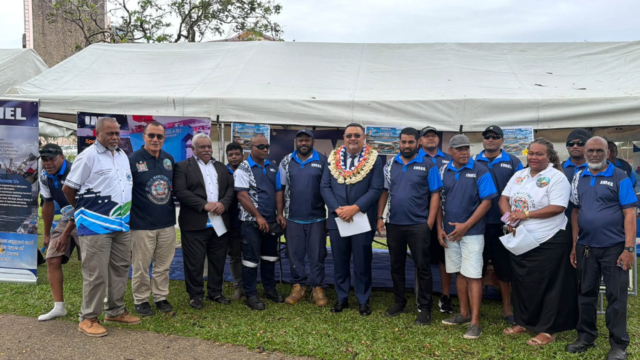
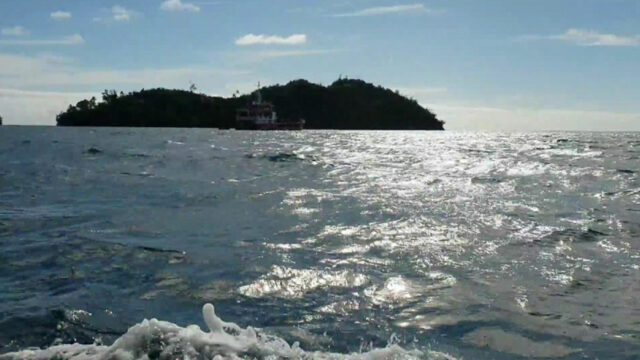
The Paddle of Hope, which travelled more than 500 kilometres around Viti Levu, has been highlighting plastic pollution, waste management and community-led solutions throughout its journey.