 Litia Cava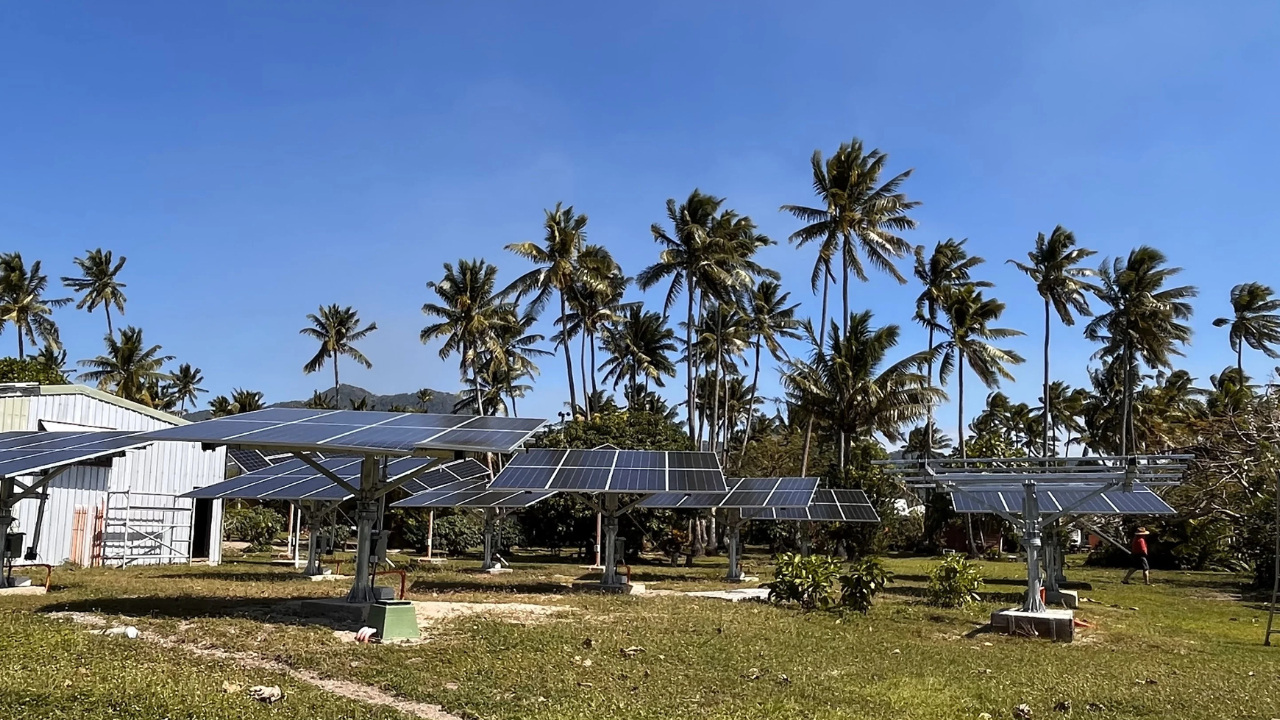
[File Photo]
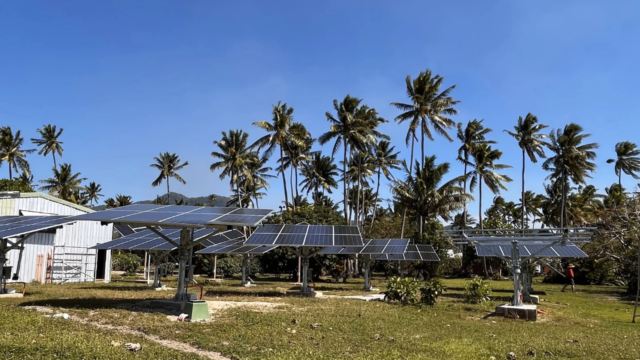
Energy Fiji Limited says land availability and the current electricity tariff are major hurdles to expanding large-scale solar projects.
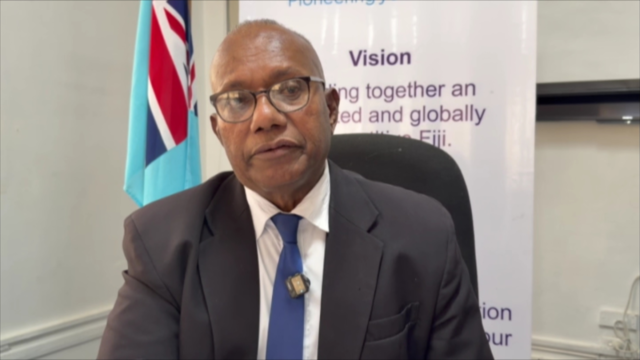
EFL Chief Executive Officer Fatiaki Gibson explained that solar projects require large parcels of land but finding suitable sites has been difficult.
Gibson pointed out that 60 acres secured at Seaqaqa, for example, can only support about 10 megawatts of solar power, along with battery storage.
He says some independent power producers have now secured larger parcels near Yaqara, Ba and between Ba and Lautoka.
“We’ve gone through our financial policy review which CFO can go into detail if required. So this but also in our delivery we have now done four lanes. So we separate the solar from the hydro from the transmission and most importantly the National Control Centre has to be upgraded because solar is like a variable renewable energy.”
Gibson revealed that two Memorandum of Understanding have already been signed, with the projects potentially delivering more than 100 megawatts of solar power.
However, he states that the current tariff creates another challenge because EFL must absorb the costs of transmission, sub-transmission and distribution.
Gibson says EFL needs to buy power at a rate that leaves enough room to cover those costs while maintaining the company’s financial sustainability.
The projects will undergo commercial and technical due diligence over the next six months before the parties work towards power purchase agreements.
Gibson says EFL has divided its solar development program into three streams.
One involves EFL-led projects, with potential joint ventures with the Fiji National Provident Fund. The second covers unsolicited proposals from independent power producers that have already secured large parcels of land. The third involves projects being developed with support from the Asian Development Bank and World Bank.
Gibson says EFL has identified land parcels under each stream and has engaged the two development banks for screening, pre-feasibility and full feasibility work.
He says the two projects already under MOU could be a game changer for EFL and help it reach its target of 60 percent renewable energy by 2029.
EFL is also upgrading its National Control Centre because the increased use of solar power could affect grid stability.
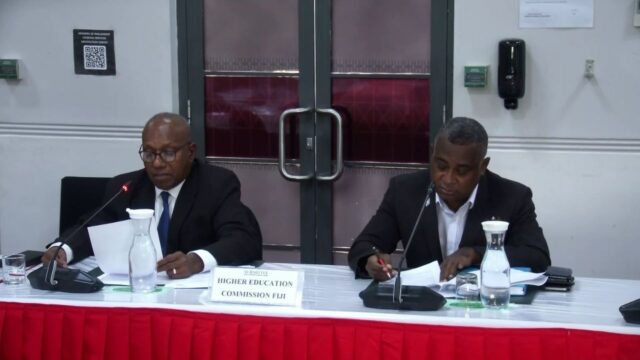
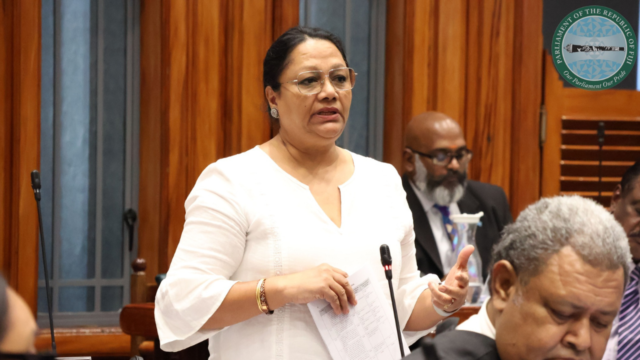
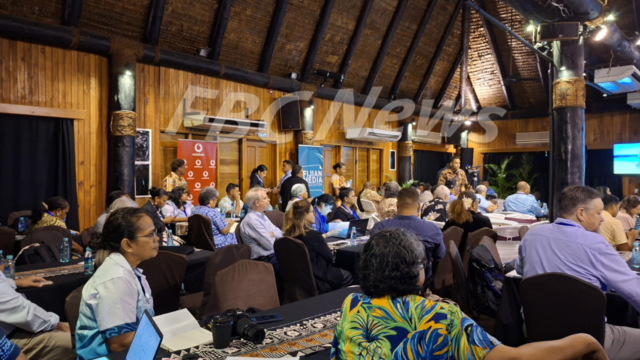
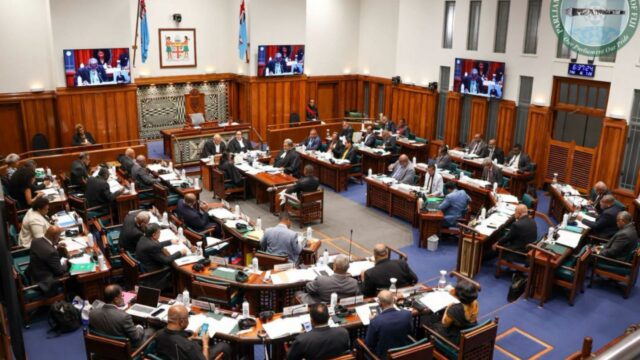
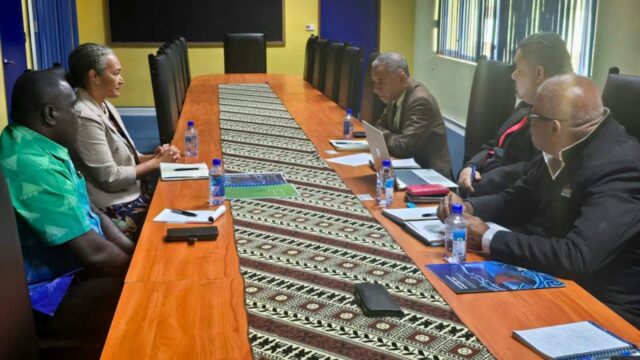
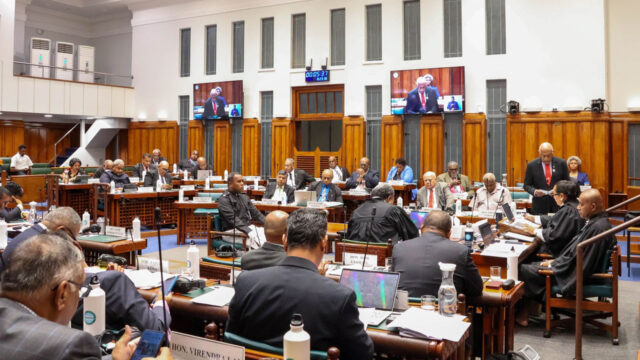
Gibson was speaking when EFL appeared before Parliament’s Standing Committee on Economic Affairs to present its 2025 Annual Report.