 Mosese Raqio
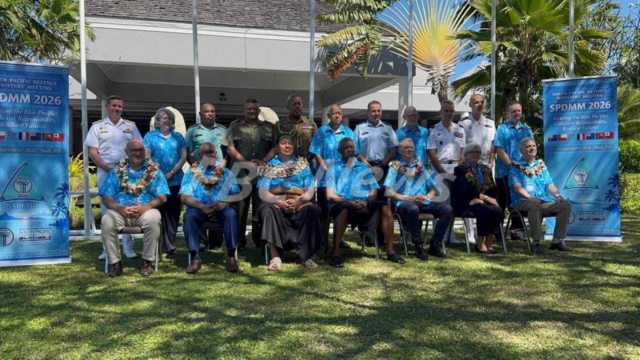
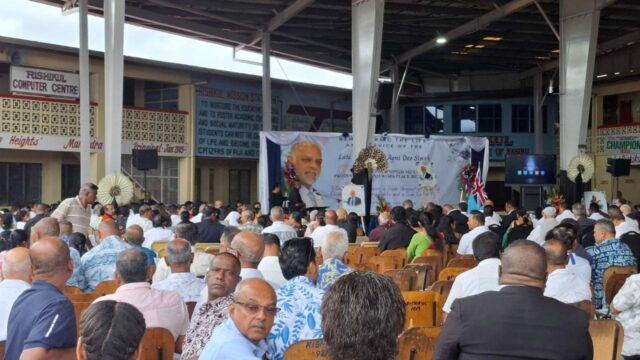
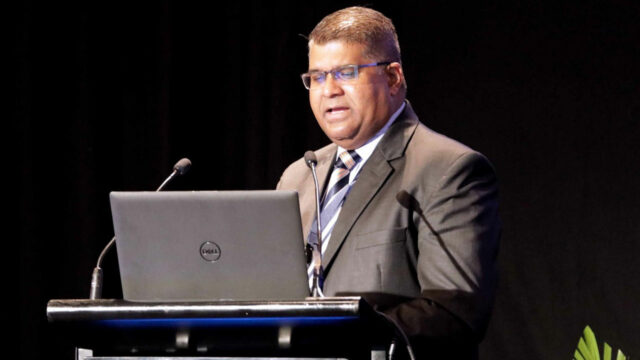
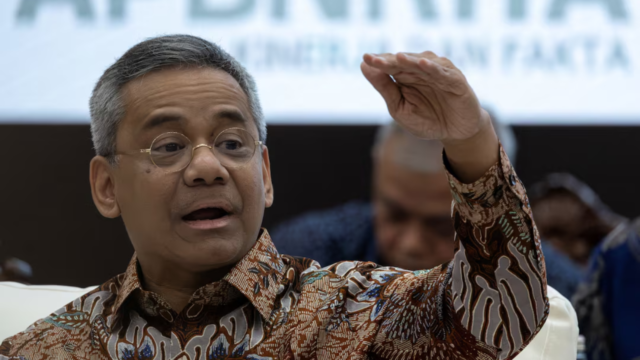
Journalists and Media personnel at the PINA Summit in Savusavu [Photo: SUPPLIED]
Artificial intelligence is moving into Pacific newsrooms, but journalists remain firmly in the driver’s seat.
That was the message from Australian Associated Press Editor-in-Chief Andrew Drummond and Pacific Media Network CEO Don Mann at the Pacific Media Summit in Savusavu.
Drummond says AI can help journalism, but it cannot replace the human judgement, verification and editorial responsibility that audiences depend on.
He says journalists must be transparent when AI is used and must never accept AI-generated information without checking it.
“Audiences around the world are seeking solutions and they are crying out for ethical, professional journalism that they can trust. A press that acts with integrity, a press that stands up for the vulnerable and that delivers facts that break through the noise.”
Drummond says this is increasingly important as misinformation and disinformation continue to undermine trust in the media.
Meanwhile, Mann says AI is already delivering practical benefits for Pacific-language journalism.
PMN has developed a Gemini-based system that can turn a 24-page PACNEWS document containing 19 stories into a broadcast-ready Cook Islands Māori bulletin in about 90 seconds.
Mann says the system achieves about 80 to 90 percent accuracy, depending on the language, but every story is still checked, corrected and fact-checked by journalists and first-language speakers.
He says AI handles the heavy first pass, freeing journalists to spend more time on reporting, storytelling and deeper work.
The message from the summit is clear. AI can speed up the newsroom, but it cannot replace the journalist’s responsibility to verify, understand and get the story right.