 Litia Cava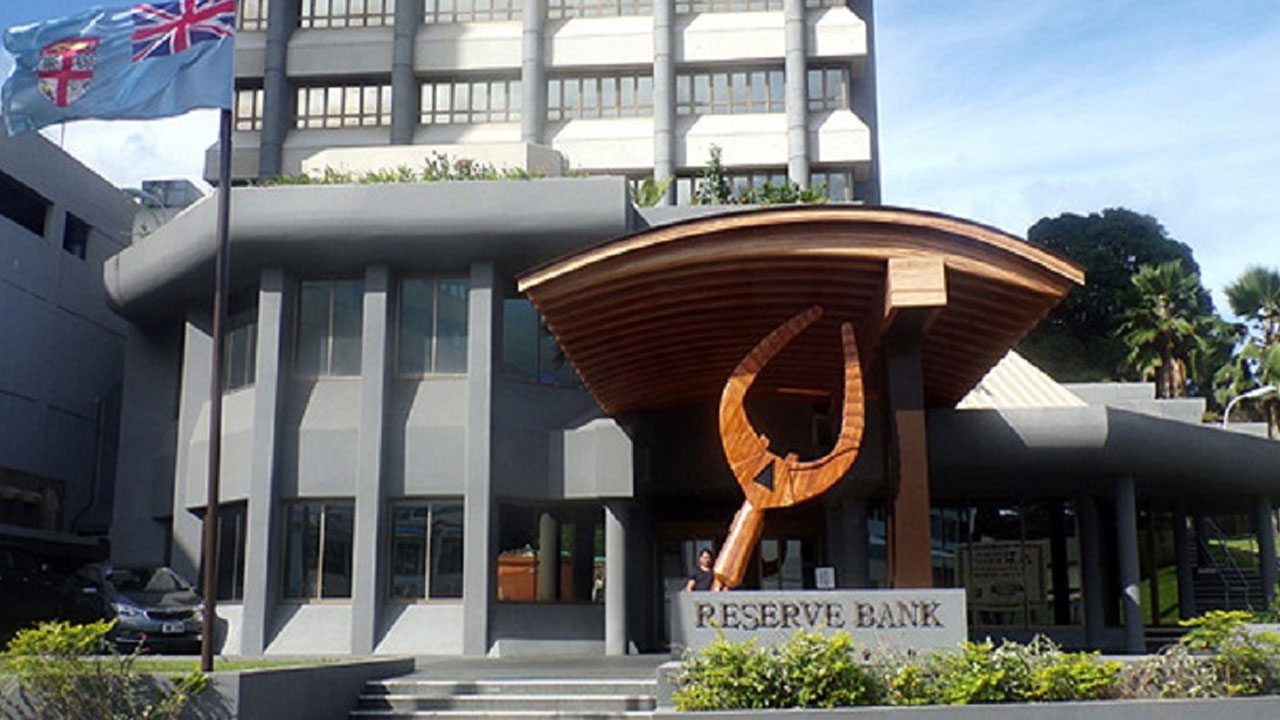
[Photo: FILE]
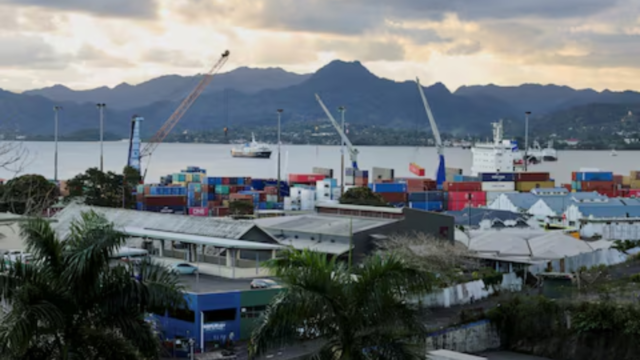
Fiji’s trade deficit has widened as the country continues to buy more from overseas than it sells.
The Reserve Bank of Fiji’s July Economic Review shows the trade gap rose by 20.6 per cent to $2.22 billion in the five months to May.
The increase was mainly driven by higher imports of fuel, machinery, vehicles and manufactured goods.
Fiji’s total imports reached $3.35 billion, up 17.7 per cent.
Exports also grew, rising 12.3 per cent to $1.12 billion. The increase was supported by stronger sugar and gold concentrate exports.
However, several key industries faced challenges.
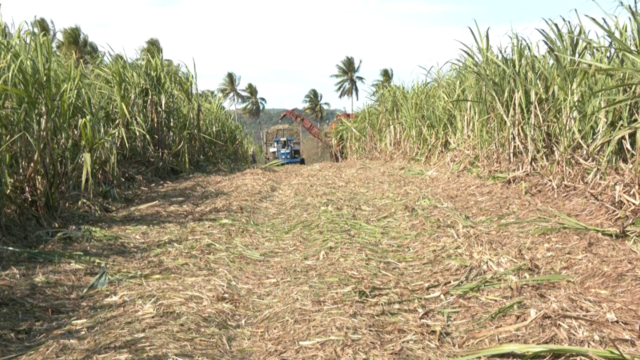
The sugar sector had a slow start to the 2026 crushing season due to harvesting delays, labour shortages and concerns over cane prices. Production later improved, with sugar output rising 2.5 per cent compared to last season.
The timber industry continued to struggle. Sawn timber production dropped by more than half while mahogany and woodchip production also declined.
Gold production fell by 21.8 per cent, although higher gold concentrate output helped support the mining sector.
Tourism remained a bright spot. Visitor arrivals increased by 6.3 per cent last month, with strong growth from Australia, the United States and Canada.
The first six months of 2026 recorded 460,628 visitors, a 3.8 per cent increase compared to the same period last year.
The RBF said investment remains a key support for the economy, with new investment lending rising by 54.5 per cent.
But the central bank warned that global uncertainty, higher commodity prices and weaker demand could affect Fiji’s economic growth.