 Sainiani Boila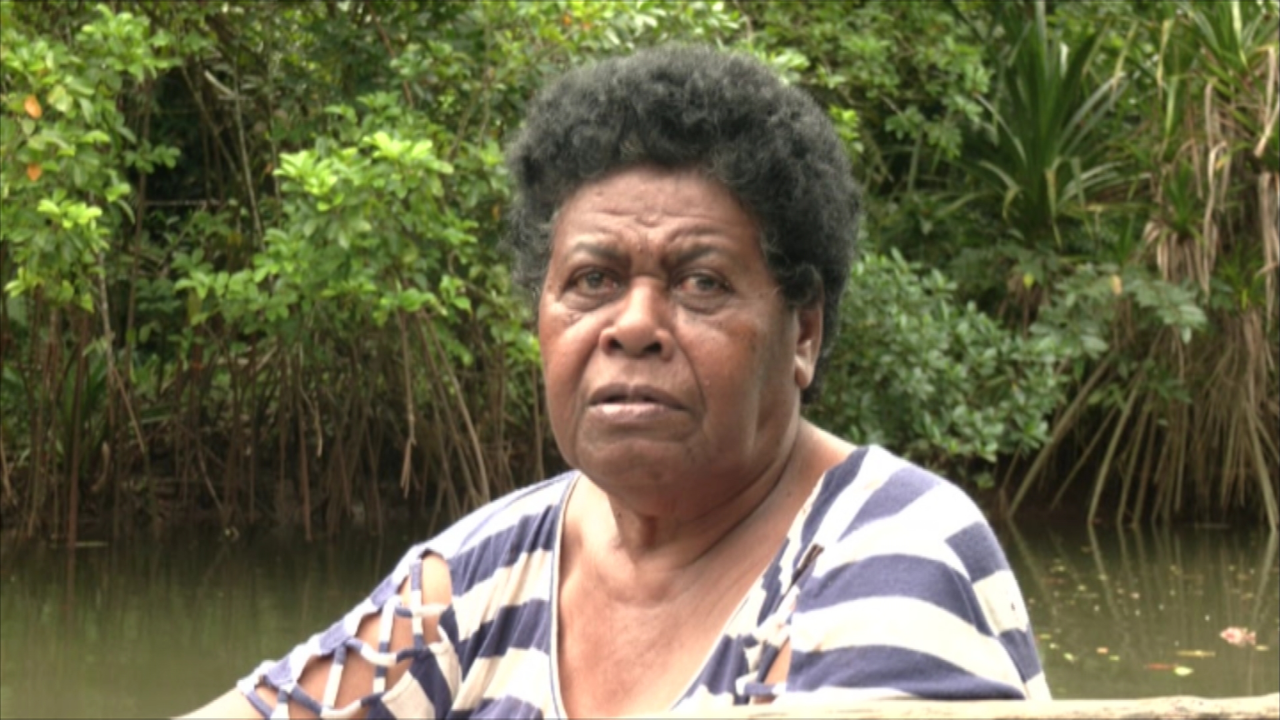
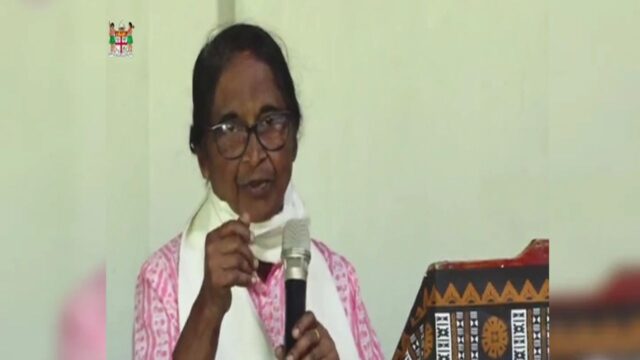
Atalaite Qiolevu at Veinuqa Village.
Women are among those most severely affected by the growing impacts of climate change, particularly in rural communities where they play a central role in providing food for their families.
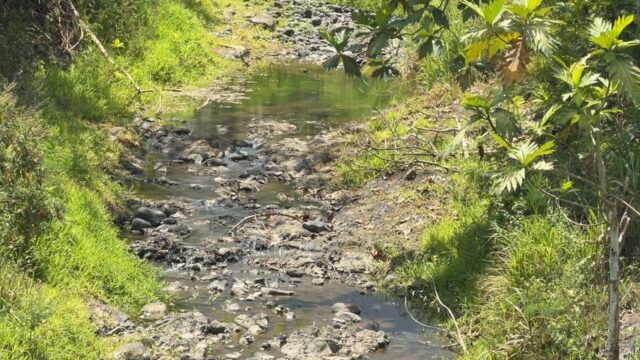
For many women, sourcing food from rivers and streams is becoming increasingly difficult as declining fish stocks, crabs, and other freshwater resources force them to travel further upstream and spend more time gathering produce for their daily meals.
This reality is all too familiar for Atalaite Qiolevu, a woman originally from Nairai in the Lomaiviti Group who is now married and living in Veinuqa Village in Viti Levu.
“Ever since I came here, I have been going to the river to get food for us. I collect crabs, fish and mussels for our daily needs. Recently, because of climate change, I have not been seeing as many crabs and other river produce as before. It is not like it used to be.”
The decline in freshwater resources has made it more challenging for women who depend on rivers to supplement household meals and reduce food costs.
In addition to the loss of food resources caused by climate change, Qiolevu says climate change is also threatening her home.
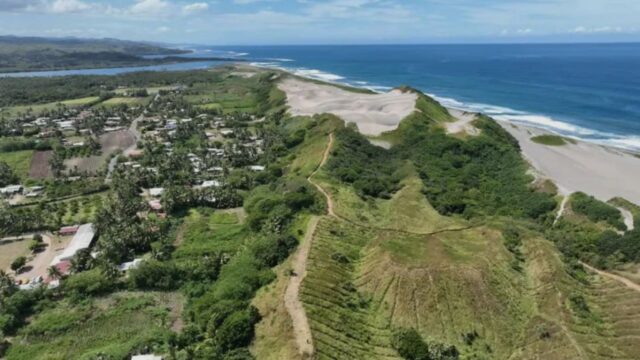
Located along the riverbank, her house is increasingly exposed to flooding during high tides.
“My house is right next to the river and whenever there is a high tide, the water comes right up to our doorstep. This has greatly affected our house and its foundation.”
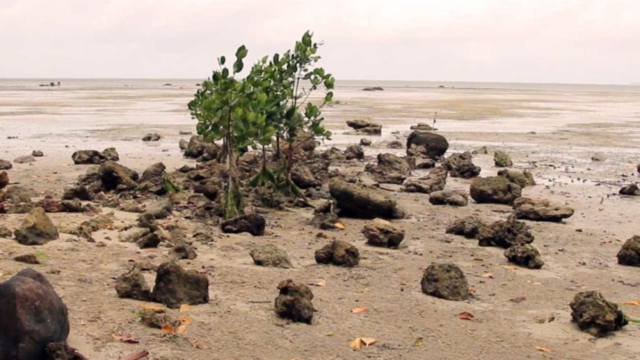
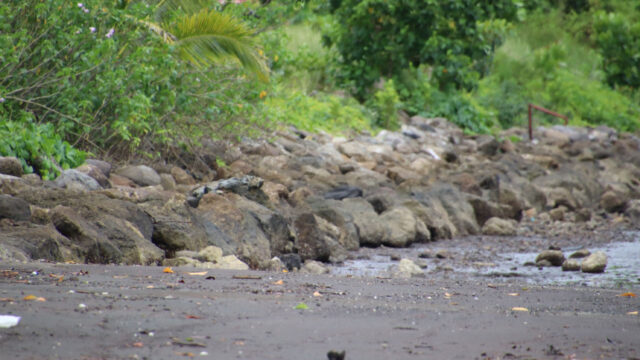
She says strong river currents and frequent flooding have washed away parts of the riverbank, causing severe erosion near her property.
Concerned about the future, Qiolevu is calling for community action to help protect vulnerable areas from further damage.