 Nikhil Aiyush Kumar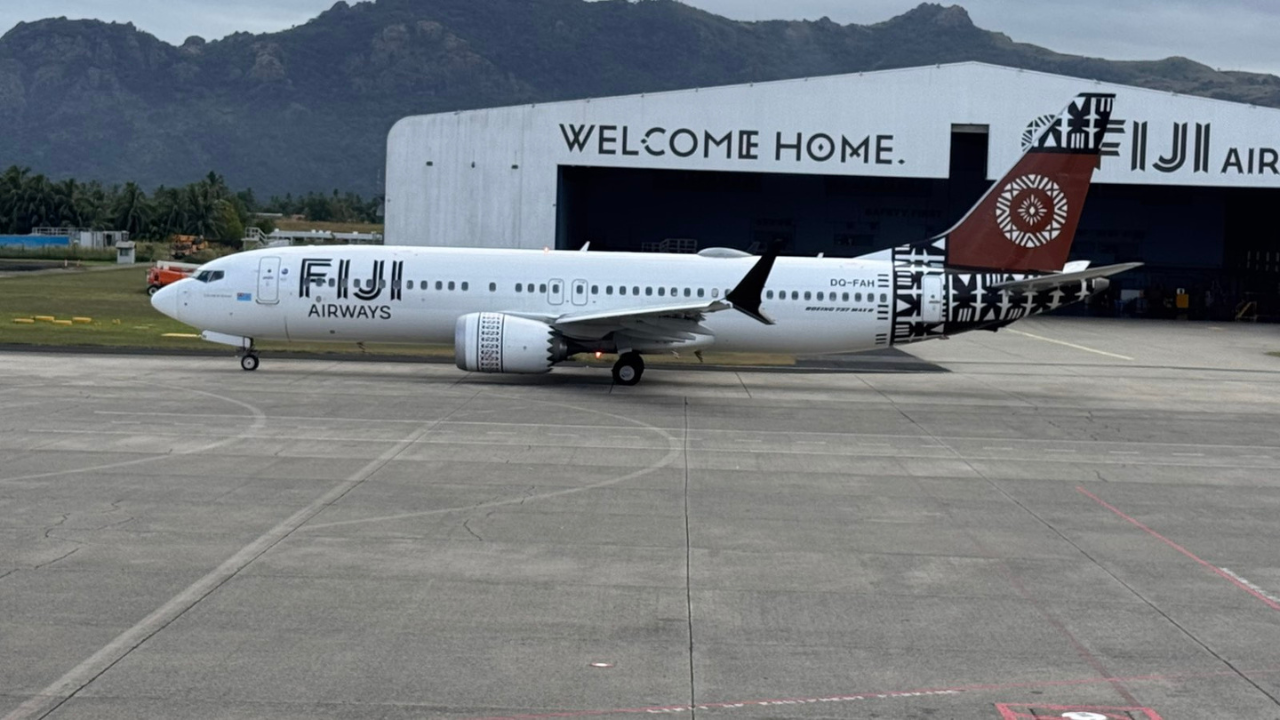
[File Photo]
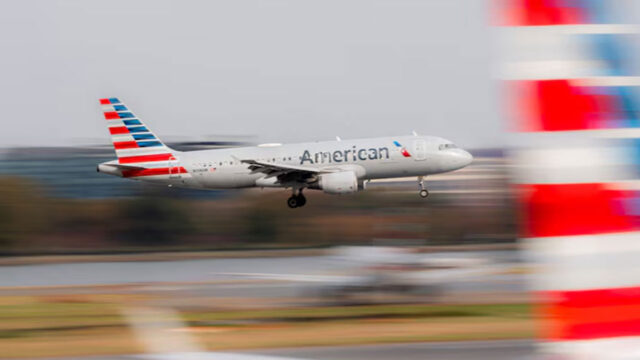
The Opposition says it supports government assistance for Fiji Airways but has rejected a proposed five percent tourism services tax, arguing that the burden of financing the national airline should not fall almost entirely on the tourism sector.
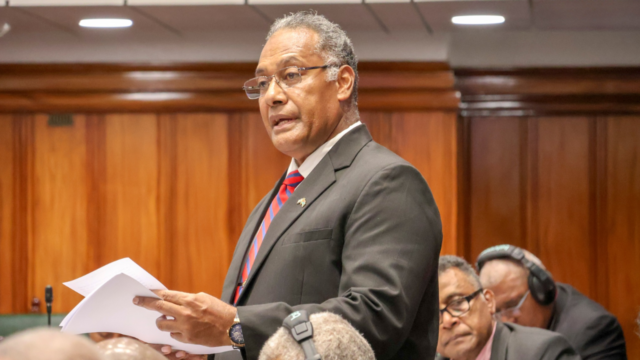
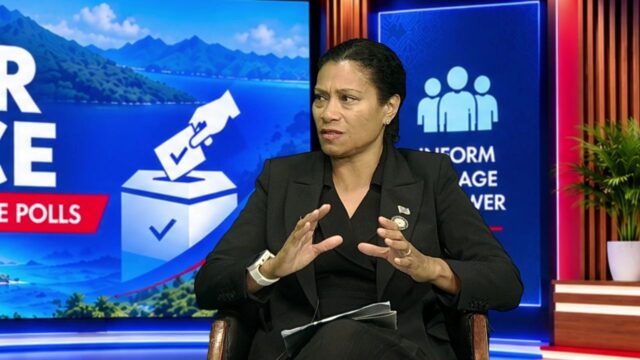
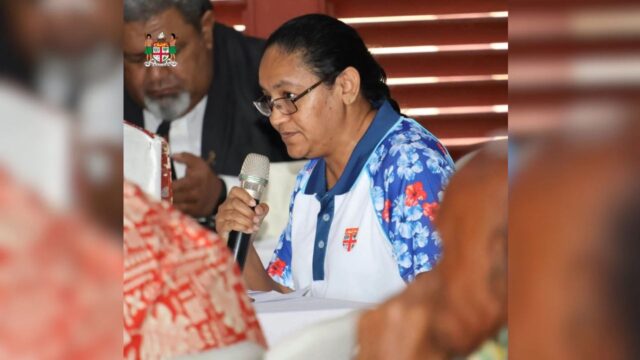
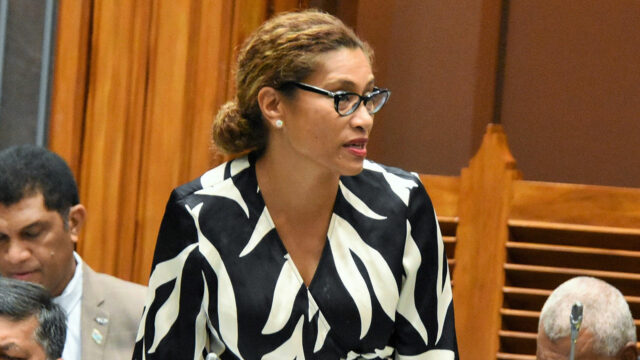
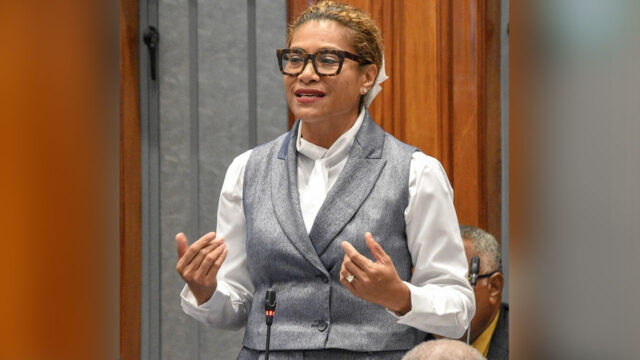
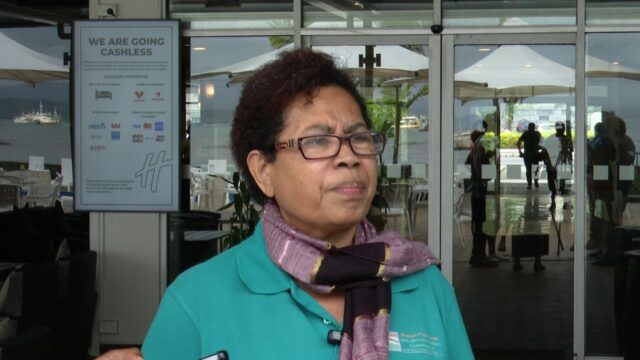
Speaking during the debate on the Tourism Services Tax Bill 2026 in Parliament, Opposition MP Premila Kumar says there was broad agreement that Fiji Airways is a national asset deserving of support, but questioned whether the proposed legislation offers a fair and transparent funding model.
“We recognize that Fiji Airways is a national asset carrying around 80 percent of our international visitors. Its success is vital to tourism, employment and the wider economy and in fact, Fiji Airways is our pride”
The Bill, introduced by Minister for Finance Esrom Immanuel, proposes a temporary five percent tax on the turnover of tourism businesses with an annual gross turnover exceeding $2 million.
All the revenue that will be collected between September 1, 2026 and August 31, 2027 will be paid to the company that owns or operates Fiji Airways to help offset the impact of soaring fuel costs linked to the Middle East conflict.
Immanuel says the measure was necessary to protect Fiji’s tourism industry and economy.
“Without support provided, there can be an adverse impact on our tourism industry and our economy”.
However, Opposition MP Kumar argues that the tourism industry, which has only recently recovered from the COVID-19 pandemic, should not shoulder the responsibility alone, as many service providers were still repaying loans taken during the pandemic and rebuilding their financial reserves.
“The issue before Parliament is not whether Fiji Airways deserves support but whether this Bill provides a fair, transparent and accountable way in providing that support”.
Kumar also criticises the proposed tax for targeting gross turnover rather than profit.
“Businesses making little or no profit will still pay the same tax as profitable businesses, and that is fundamentally unfair. As a result, businesses are left with only two choices. Either they break their contract with the customers, or they absorb the additional tax themselves.”
Kumar further questions why tourism businesses should effectively subsidise Fiji Airways when the airline itself owns and operates hotels that compete with private accommodation providers.
She also made calls on Fiji Airways to demonstrate that it had taken steps to reduce its own operating costs before seeking government assistance.
“We would like to know how they are reducing those costs if they are in a terrible financial situation”
Despite opposing the Bill in its current form, Kumar reiterates that the Opposition is not against helping the national carrier, stating that support for Fiji Airways should be fairly managed and approved with full parliamentary accountability.
The Bill was passed and enacted.