 Vasenai Soqo
[Photo: FILE]
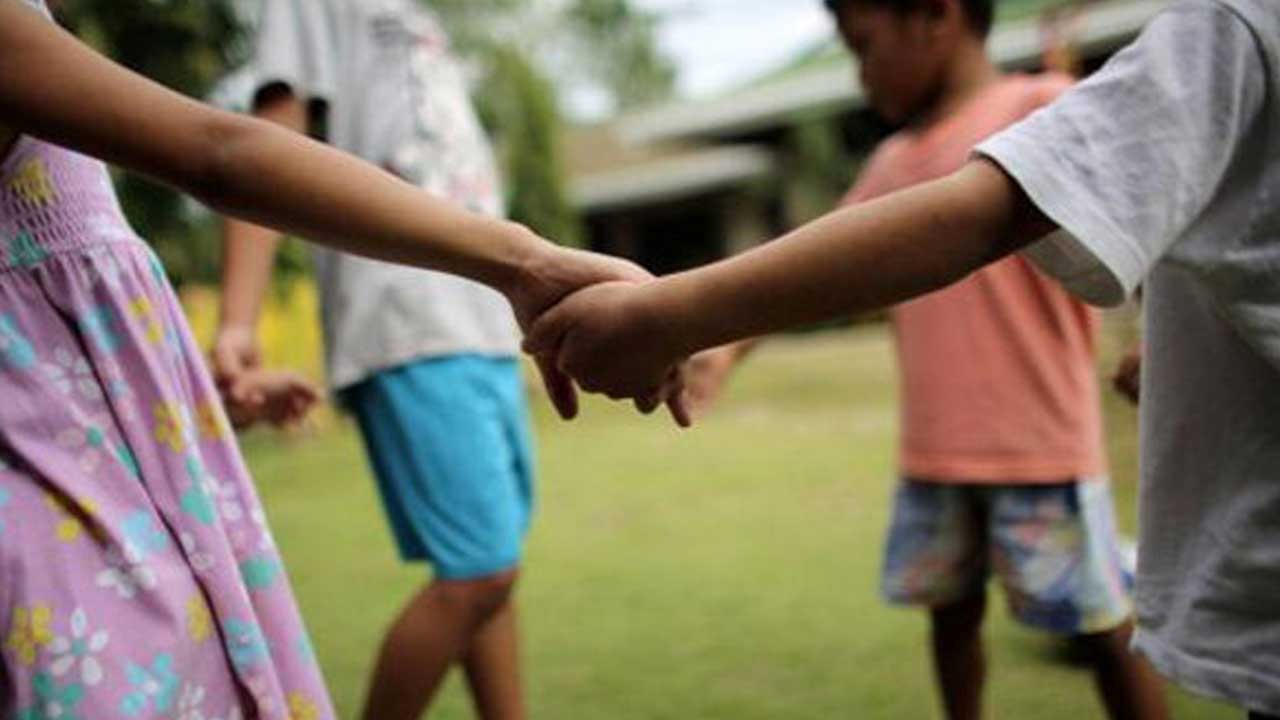
Fiji’s worsening drug crisis is rooted in childhood trauma, poverty, and a lack of opportunities.
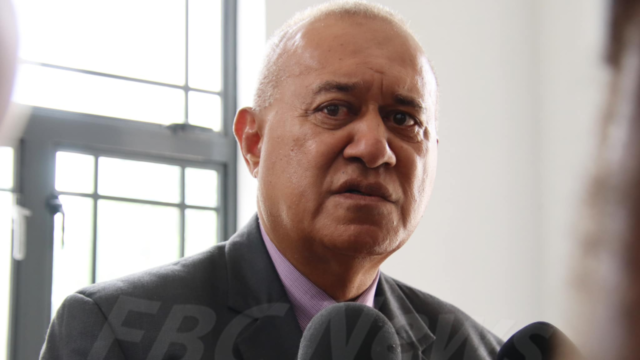
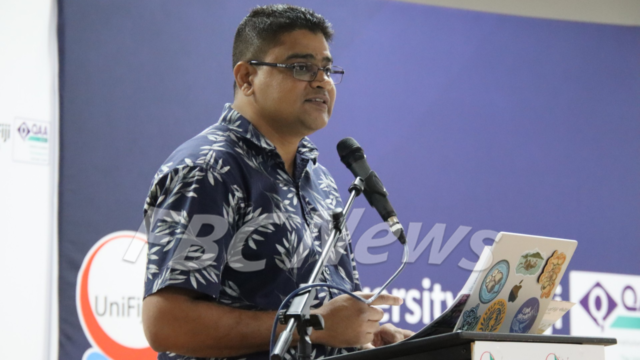
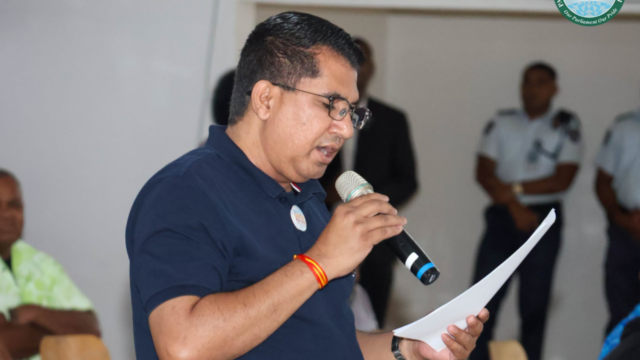
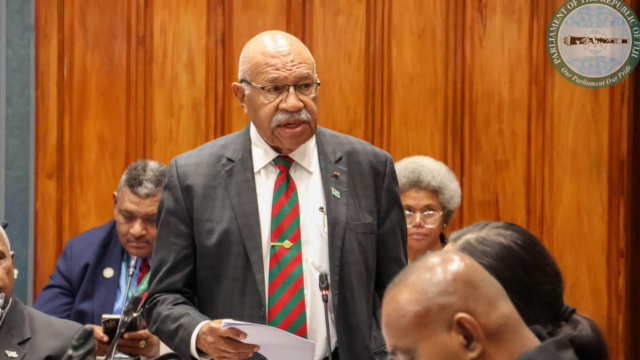
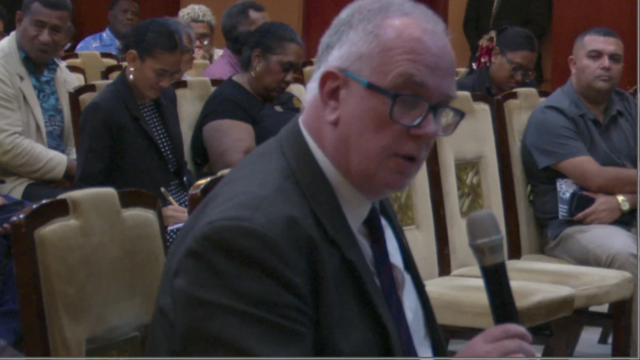
Pacific Nations School principal, Temesia Tuicaumia, says the country must invest in children early to address the problem.
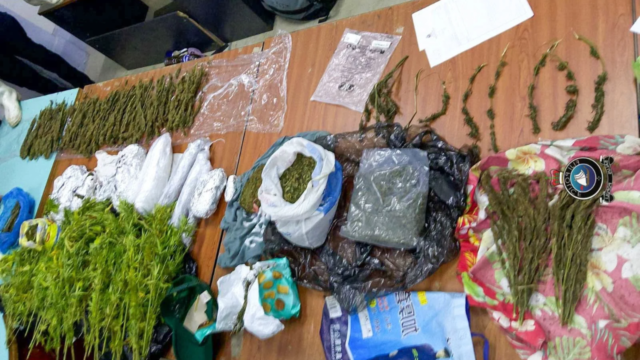
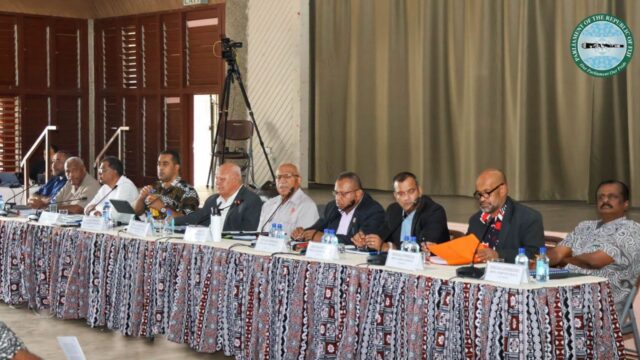
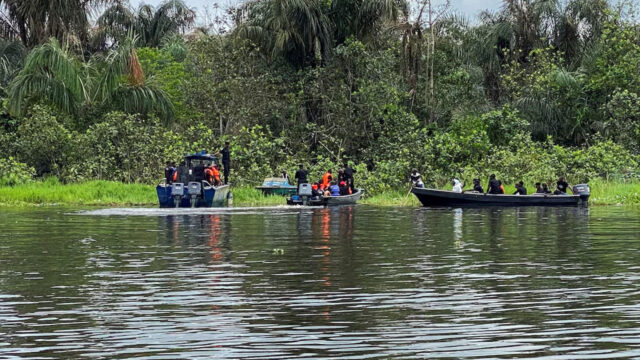
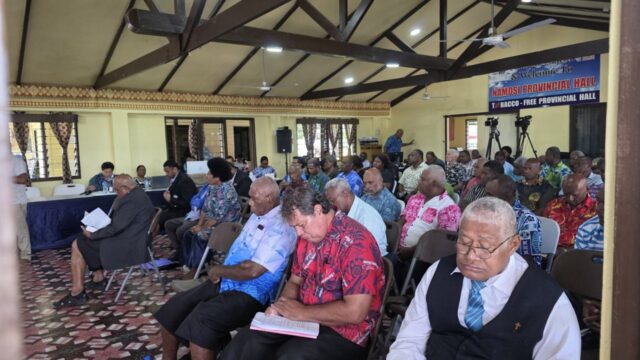
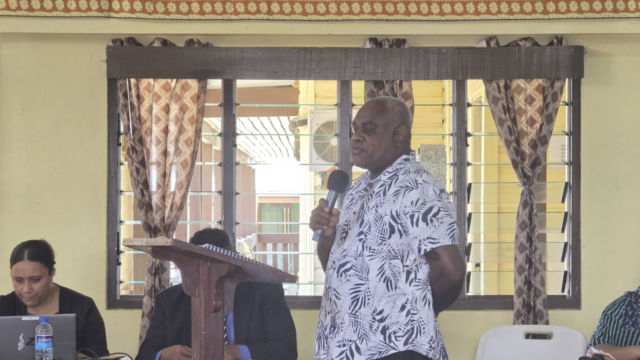
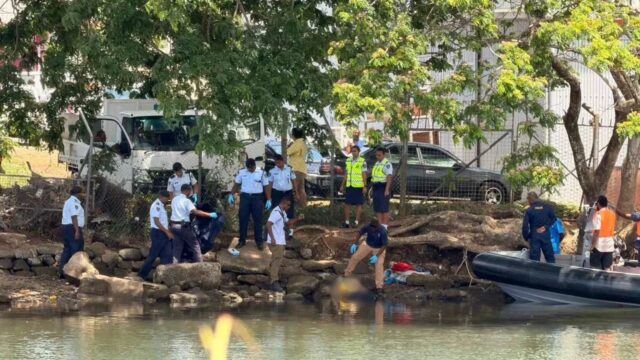
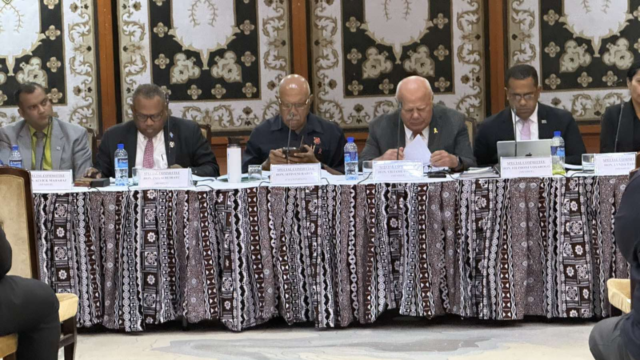
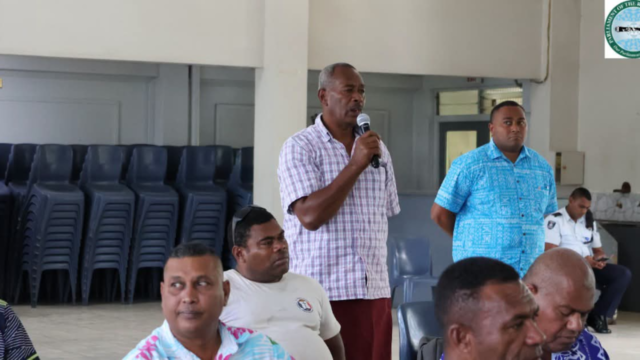
Speaking during the Bose ni Yasana o Lau, Tuicaumia stated that the increasing drug discoveries in villages and along coastlines, particularly in Lau, require a long-term solution beyond law enforcement.
He says investing in children from the prenatal stage through to eight years of age would help prevent future drug abuse and crime.
“We won’t be having these issues if we invest in our children from prenatal to eight years old.”
Tuicaumia, who also serves with the Ministry of Women, Children, and Social Protection’s Inter-Agency Exit Strategy Pathway, says his work with homeless and displaced people shows how the illegal drug trade attracts people through financial rewards.
“We could offer jobs paying around $200 a week, but they’re making more than $200 in a day.”
He says this highlighted the need for more employment opportunities for young people, particularly those unable to complete their education.
While acknowledging the Fiji Police Force, Tuicaumia says tackling drugs requires a whole-of-society approach.
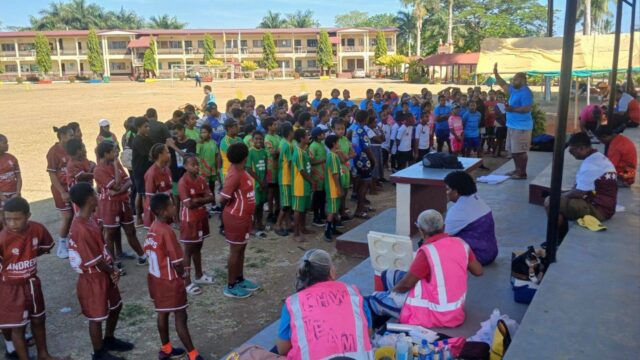
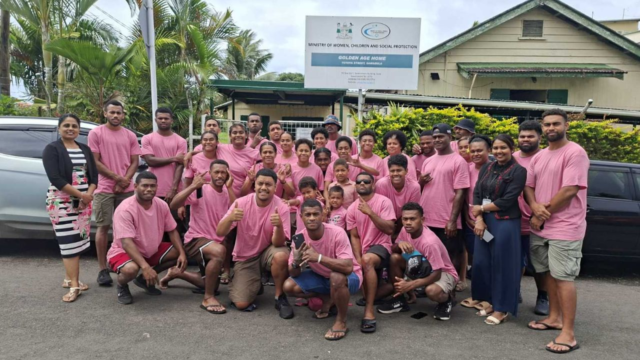
He praised the Police Blue Light programme for at-risk youth, witnessing its impact firsthand during a week-long camp involving youths from Topline, Salvation Army’s Kauwai Home for Boys, and children living on the streets.
The programme focused on identity, leadership, civic education, digital literacy, and the consequences of choices.