 Reuters
[Source: Reuters]
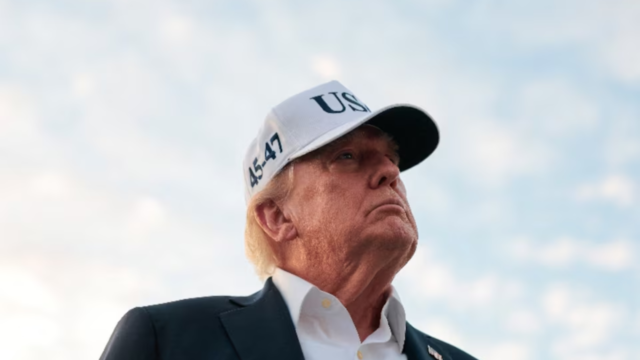
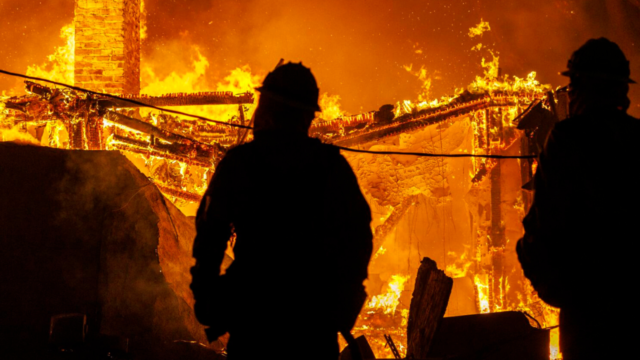
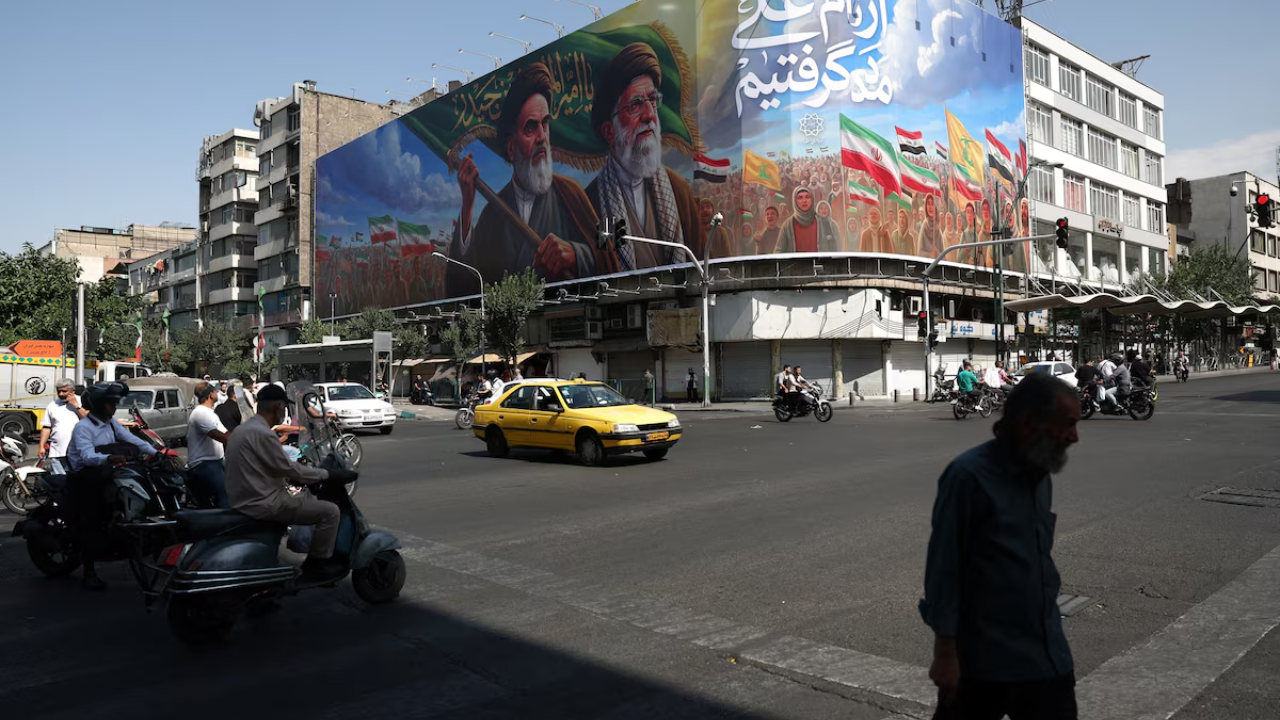
The United States and Iran traded air attacks on Thursday for a second straight day, with President Donald Trump vowing further strikes if Tehran does not immediately agree to a peace deal.
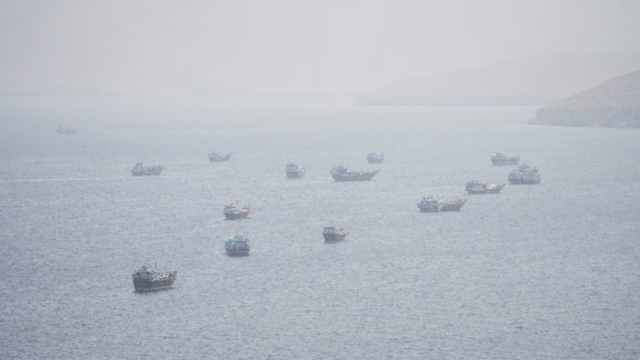
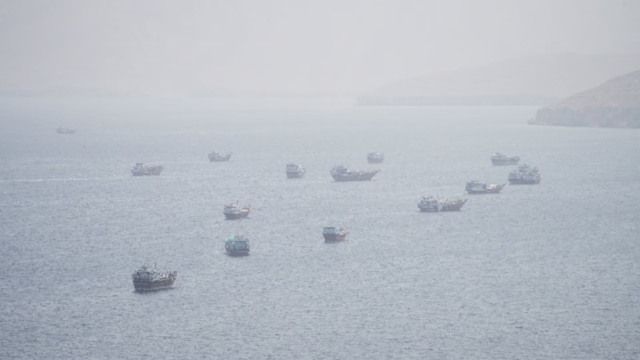
The escalation in hostilities began earlier this week with the downing of a U.S. Apache helicopter near the Strait of Hormuz, which sparked a series of tit-for-tat attacks across Iran and on U.S. bases around the region.
It was the most serious threat to a fragile ceasefire agreed in April, dampening hopes for a swift end to the war that started in late February with massive U.S.-Israeli joint air strikes on Iran.
The U.S. military said its latest attacks targeted “military surveillance capabilities, communication systems, and air defense sites across Iran” in response to what it called Tehran’s “unwarranted and continued aggression.”
Trump told Fox News reporter Trey Yingst on Wednesday evening the U.S. strikes would stop shortly but that he would resume heavy bombing if Iran’s leaders did not sign an agreement with the United States immediately, Yingst wrote on X.
Oil prices rose nearly $3 following Trump’s threat of escalation, and extended gains in early Asian trade on Thursday.
The military’s Central Command announced the strikes were complete about four hours after they began, soon after midnight in Tehran.
Iran’s Islamic Revolutionary Guard Corps (IRGC) said it had launched counterattacks on 18 U.S. military targets at airbases in Kuwait and Bahrain, as well as the U.S. Navy’s Fifth Fleet in Bahrain.
It later said it had also targeted the al-Azraq air base in Jordan for a second night running, firing 12 ballistic missiles at the U.S. base.
Kuwait’s air defences were engaging hostile aerial targets, the U.S. ally’s army said, while Bahraini air defences intercepted and destroyed Iranian aerial attacks, a media adviser to Bahrain’s king said on X.