 Riya Bhagwan
[Photo: File]
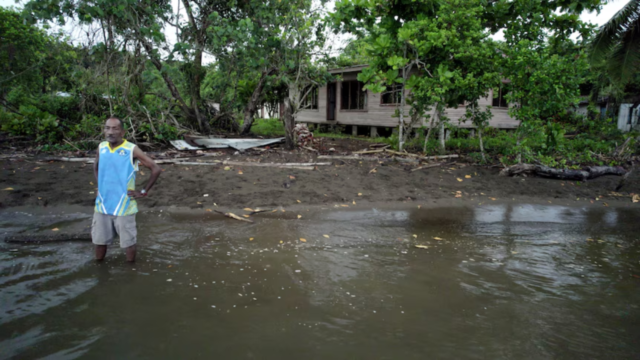
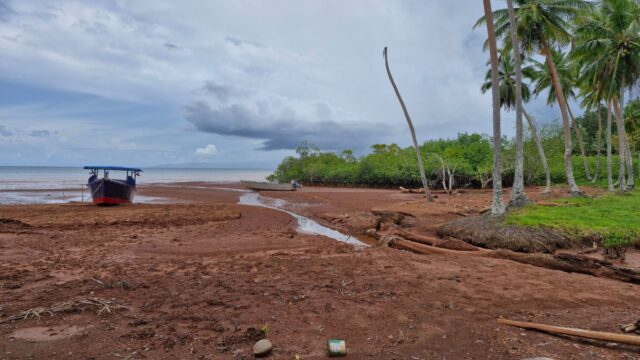
Relocation will only be considered when communities can no longer safely remain where they are, according to Fiji’s Ministry of Environment and Climate Change.
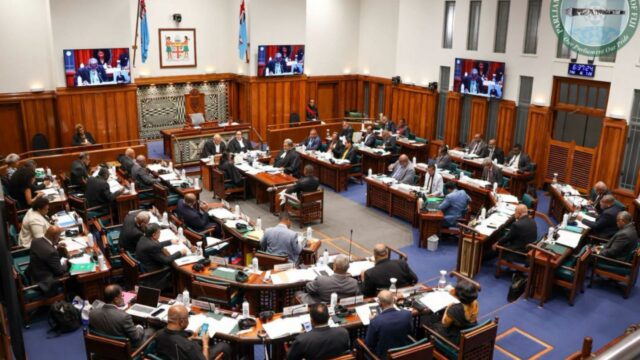
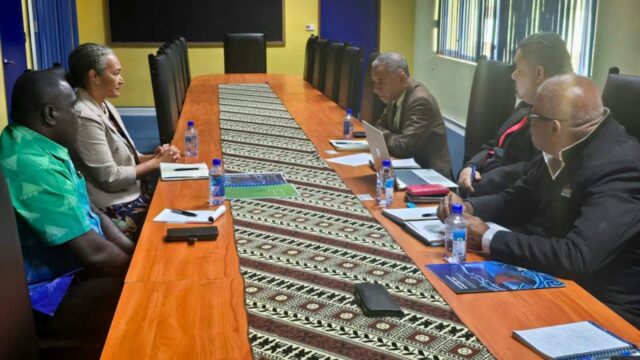
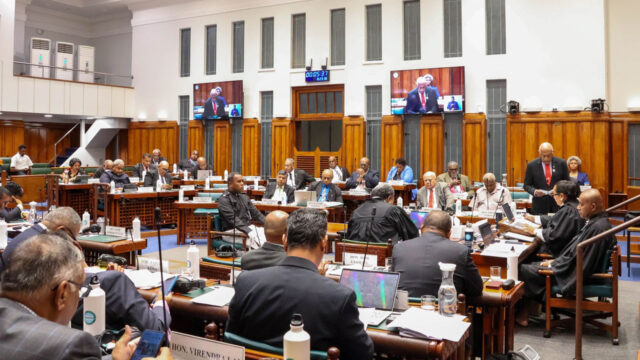
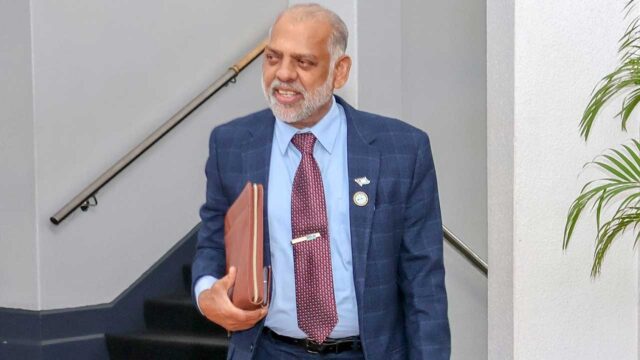
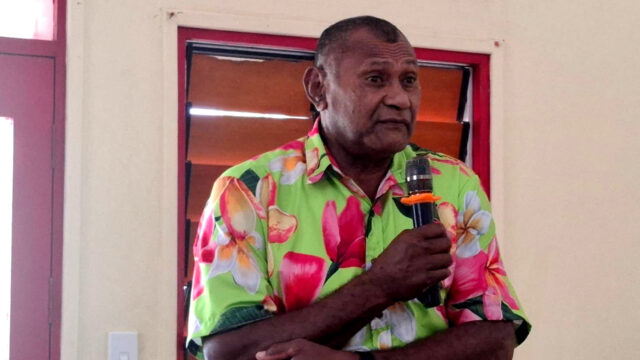
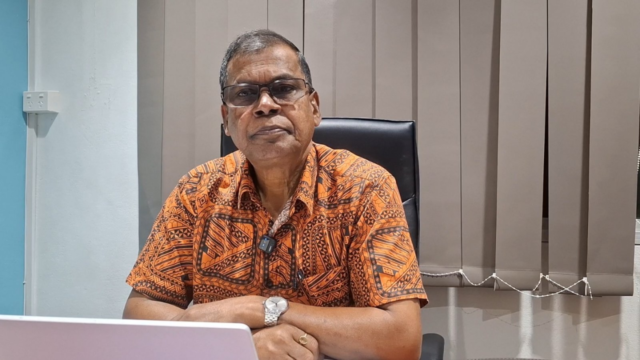
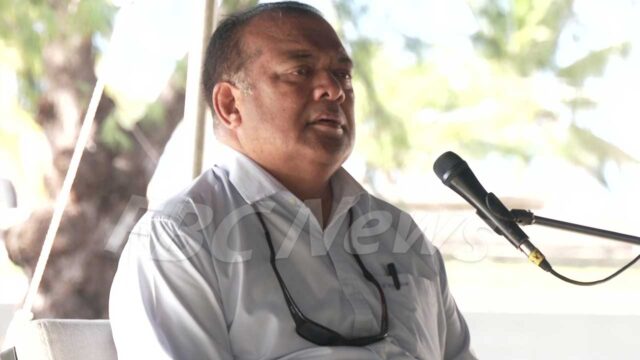
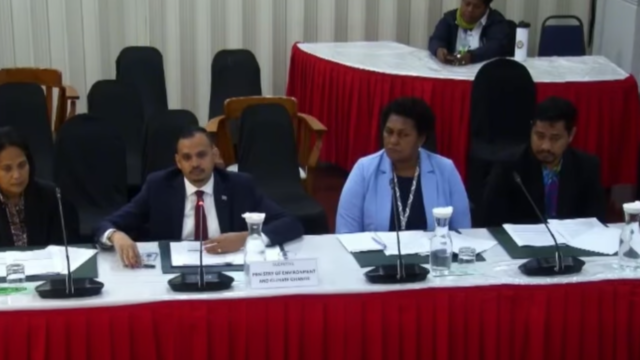
While submitting to the Standing Committee on Foreign Affairs and Defence on the Fiji-Australia and Ocean of Peace Treaty, Permanent Secretary Dr Sivendra Michael says the Ministry will prioritise climate adaptation, with relocation only as a last resort and only if it is community-led and agreed to by those affected.
Dr Michael says people cannot be forced to move because of climate change, and their choice and dignity must be respected.
He adds that any future cross-border movement would need clear rules on legal status, land ownership, governance and international laws.
“We cannot force relocation, and like we said, Fiji’s relocation is the last resort. If you are intending—the question is from overseas to Fiji—then there should be particular principles and values, and the Ministry of Foreign Affairs, the Office of the Prime Minister, the International Organization for Migration, and others are already talking about relocation beyond boundaries.”
Standing Committee member Virendra Lal has raised concerns about how Fiji would manage internal migration or the arrival of climate-displaced populations as climate change continues to threaten Pacific communities.
“So who will decide that we have actually reached a decision that they are going to migrate? Is it done in consultation with Fiji, or is it just that, okay, these people will be going to Fiji, or things like that?”
Dr Michael says the treaty does not cover the return of climate-displaced people to Fiji.
Dr Michael also clarified that the $87 million linked to mobility and skills should not be interpreted as funding for climate relocation.