 Riya Mala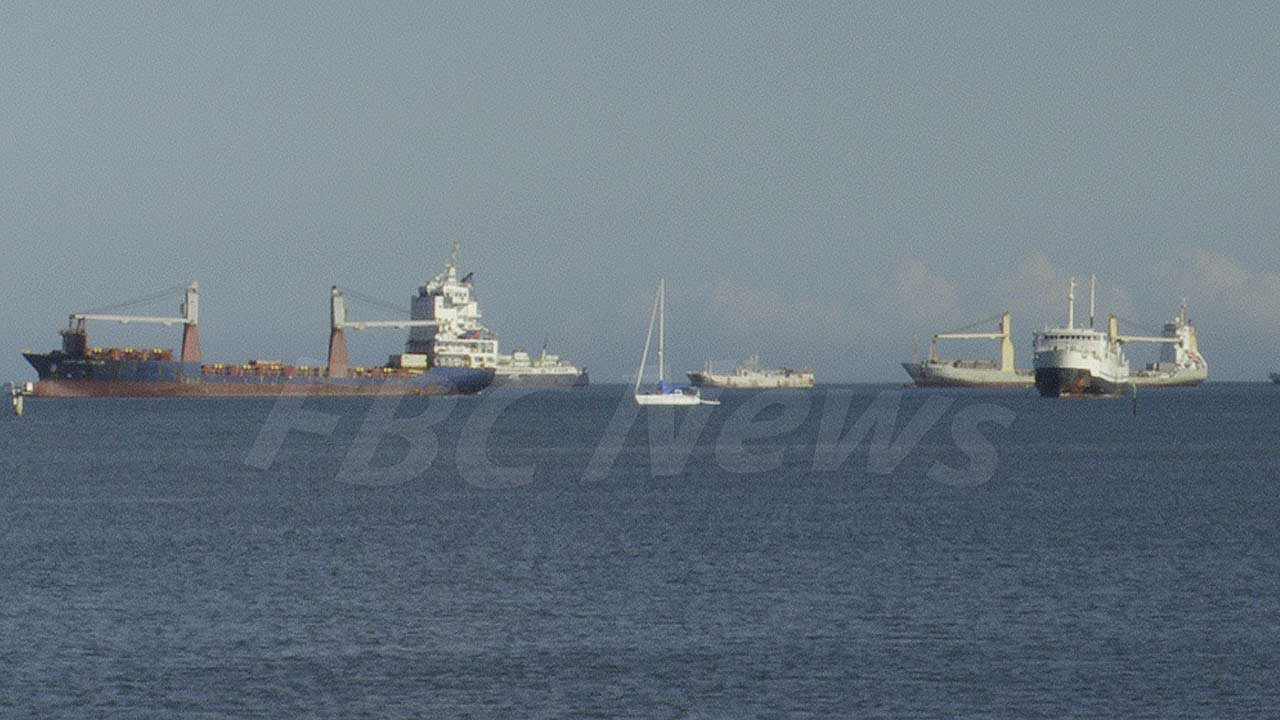
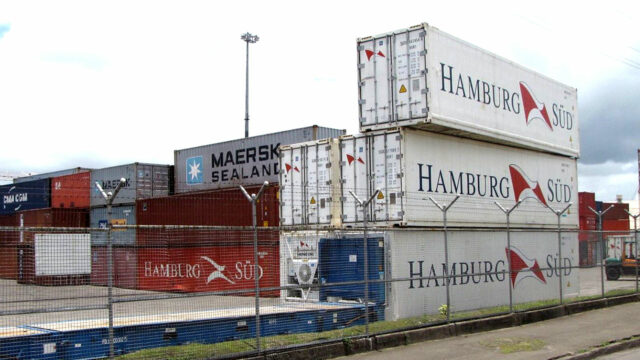
[File Photo]
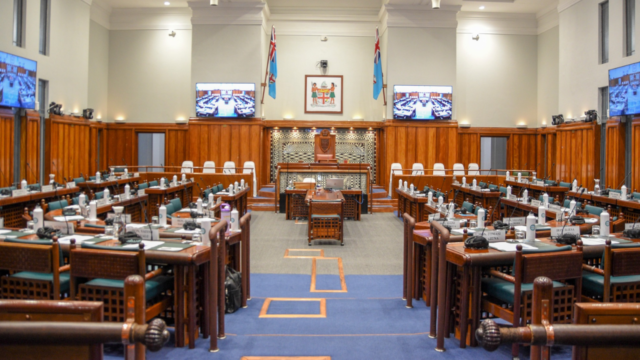
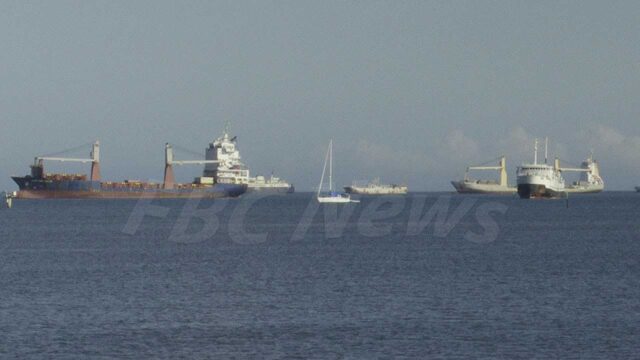
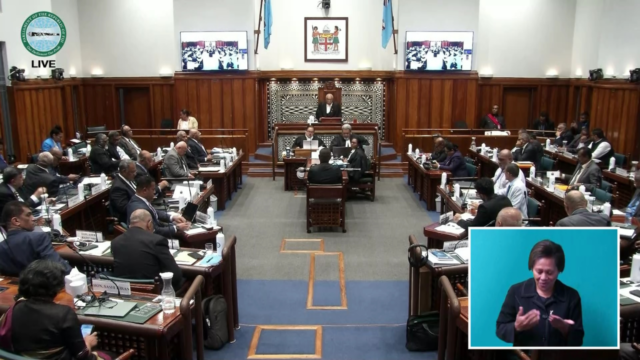
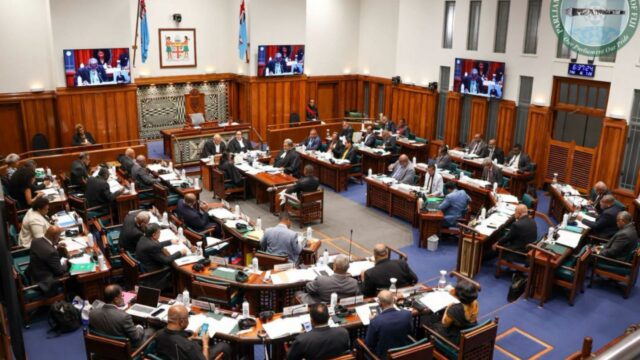
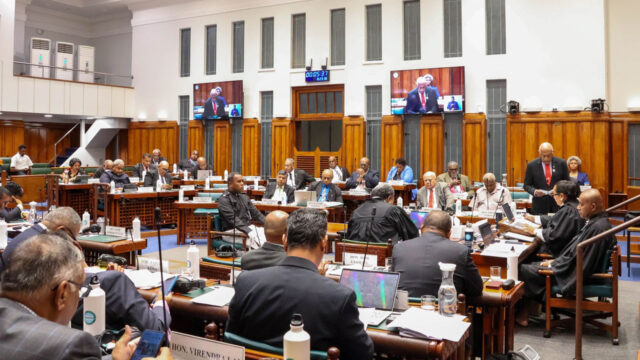
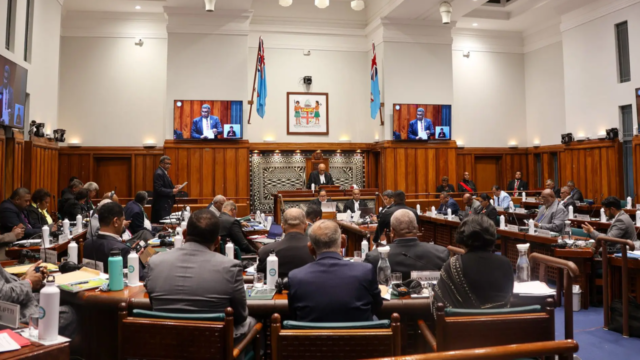
The maritime enforcement agencies will have clearer legal powers to act at sea after Parliament passed the Maritime Powers Bill 2026.
The new law provides a legal framework for authorised officers to stop and board vessels, search people and property, detain vessels and, where permitted by law, arrest people.
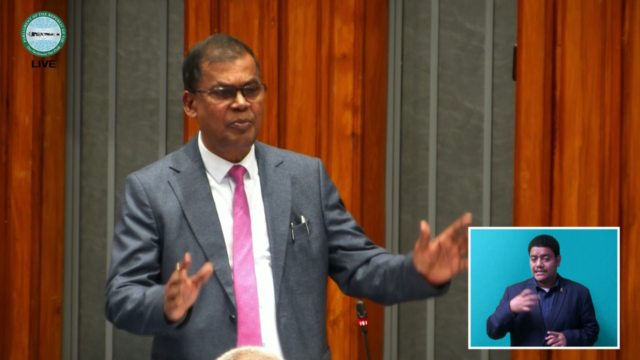
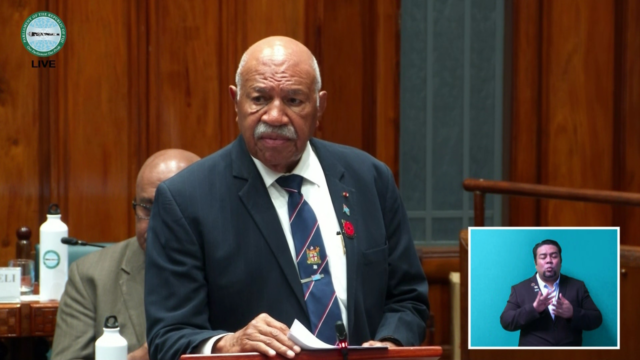
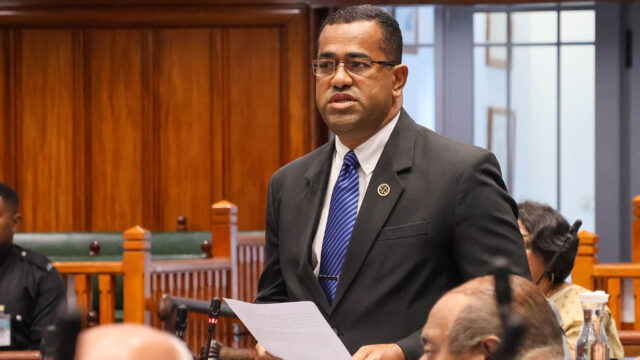
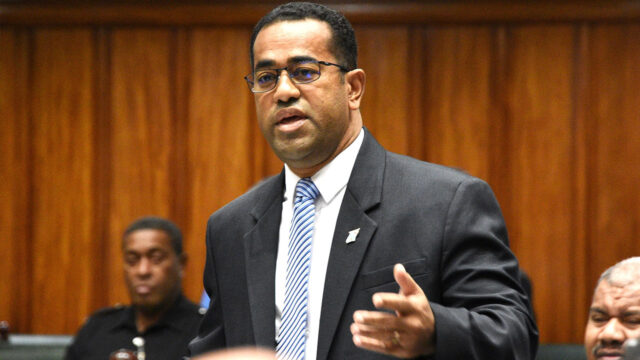
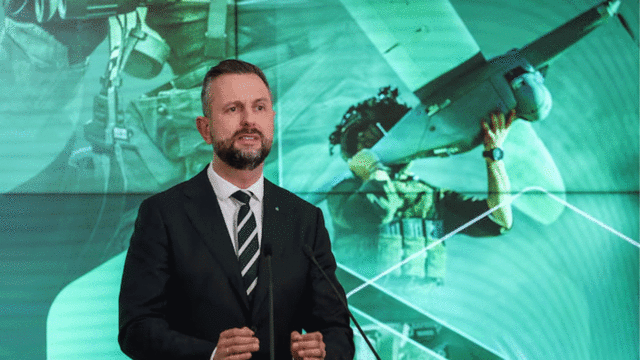
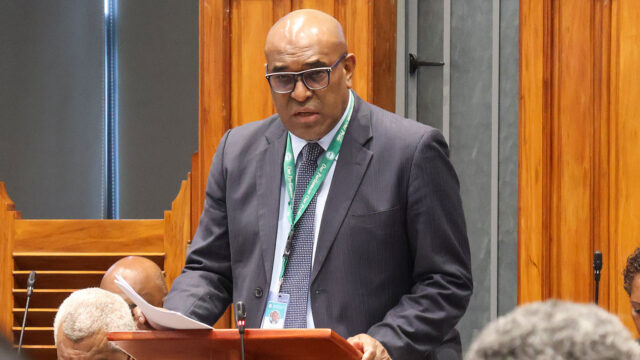
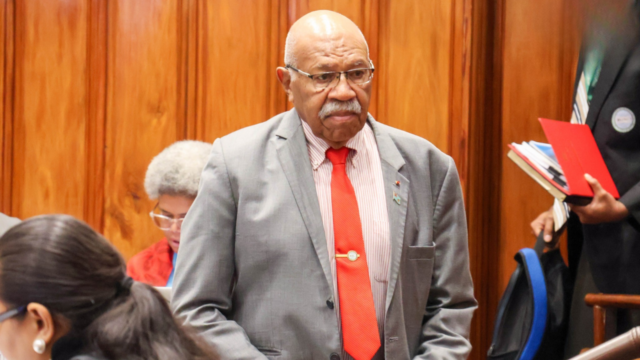
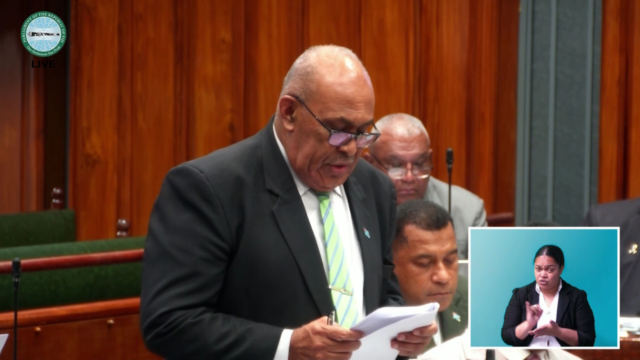
Defence Minister Pio Tikoduadua says the powers are needed because agencies are already carrying out maritime operations, but their legal responsibilities remain spread across different laws.
He adds that between January and September this year, the Fiji Navy recorded 293 sea days, 383 boardings and 54 infringements under various maritime laws.
Tikoduadua says the Bill will help agencies work together when incidents involve several areas such as drugs, fisheries, customs, immigration and biosecurity.
“This Bill is not about giving the Navy power for the sake of power – it is about ensuring that capability is accompanied by a lawful authority. It is not about replacing police, customs, immigration, fisheries or biosecurity officers, but about allowing those institutions to function together, and the geography of our country means the relevant incident occurs far from land. It does not place officers above the Constitution or international law. It seeks to tell them more clearly what those laws allow them to do. Instead, trained and authorised officers from relevant agencies will be able to take action at sea, with investigations and prosecutions remaining with the appropriate agencies.”
Tikoduadua says the powers must be exercised within the law and must be reasonable and proportionate.
He adds that constitutional protections, due process and individual rights will continue to apply at sea.
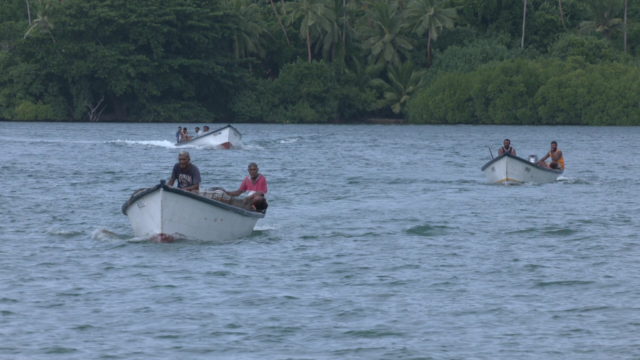
Tikoduadua says Fiji is an ocean State and the country needs a clear legal framework to protect its maritime space, resources, borders and communities.
The Bill is aimed at ensuring officers know exactly what they can and cannot do when responding to incidents at sea.